Australia stands at a critical juncture, a nation grappling with a deepening sense of anxiety and division as it hurtles towards 2026. While some revel in the country's opportunities, a significant portion of the population is experiencing a noticeable erosion of hope, replaced by a growing undercurrent of anger and frustration.
The Allure of Opportunity vs. The Pinch of Reality
For recent arrivals like Sulaiman Zandinan, Australia represents the pinnacle of possibility. "Australia is amazing," Zandinan enthused in an ABC News NSW report, a sentiment echoing the dreams of countless migrants who see the nation as a land of promise and advancement. This perspective often highlights the country's robust economy, diverse cultural landscape, and high standard of living, factors that continue to attract talent and investment from around the globe. The Sydney Daily News has consistently championed Australia's international appeal, often showcasing narratives of success and integration that underpin the nation's multicultural fabric.
However, this narrative of unbridled optimism stands in stark contrast to the lived experience of many long-term residents. The soaring cost of living, particularly in major metropolitan centres, is a pervasive concern. Housing affordability has reached crisis levels, with median house prices in Sydney now exceeding $1.3 million, making home ownership an increasingly distant dream for younger generations and exacerbating financial strain for existing homeowners grappling with rising interest rates. Groceries, fuel, and essential services have also seen significant price hikes, forcing many households to make difficult choices and tightening budgets to breaking point.
Regional Australia Demands Respect
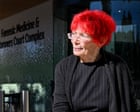
Adding another layer of complexity to the national mood is the simmering resentment from regional and rural communities. Wendy Newman, a voice from the Australian bush, powerfully articulated this sentiment, stating that people in these areas are "not country bumpkins." This assertion underscores a profound desire for recognition and respect, highlighting the feeling of being misunderstood or overlooked by their urban counterparts and political leaders in Canberra.
Regional Australians often feel the brunt of policy decisions that appear tailored for metropolitan areas, with insufficient consideration for the unique challenges faced outside major cities. Access to essential services, including healthcare, education, and reliable internet, remains a significant hurdle in many rural areas. Furthermore, regional industries, from agriculture to mining, frequently contend with fluctuating commodity prices and environmental regulations that can impact livelihoods and sustainability. The perception of being undervalued, coupled with practical disadvantages, fuels a sense of marginalisation that contributes to the broader national discontent.
The Call for a National Conversation
The ABC's invitation for Australians to contribute to their "Your Say" initiative is a timely and crucial response to this palpable societal tension. By actively soliciting feedback on the "issues, challenges and opportunities that shape your life in 2026," the national broadcaster is attempting to provide a platform for diverse voices to be heard. This initiative reflects a recognition that a genuine national dialogue is urgently needed to bridge the growing divides.
The insights gathered from such a broad cross-section of the population will be instrumental in identifying key areas of concern and potential solutions. Whether the focus is on economic inequality, environmental sustainability, social cohesion, or the future of work, understanding the varied perspectives of Australians is paramount. The Sydney Daily News believes that only through open and honest conversation can the nation begin to address the underlying causes of this widespread disillusionment and chart a more inclusive and equitable path forward.
Bridging the Divide
The challenge for Australia in the coming years will be to acknowledge and address these divergent experiences. While the nation continues to offer incredible opportunities, particularly for those with capital, skills, and access to urban centres, it must also confront the realities of those who feel left behind. Bridging the gap between the optimistic rhetoric and the lived experience of hardship, between urban prosperity and regional frustration, will require thoughtful policy, empathetic leadership, and a commitment to genuine national unity. The alternative, as the ABC News NSW report tacitly suggests, is a nation increasingly defined by faded hope and rising anger.