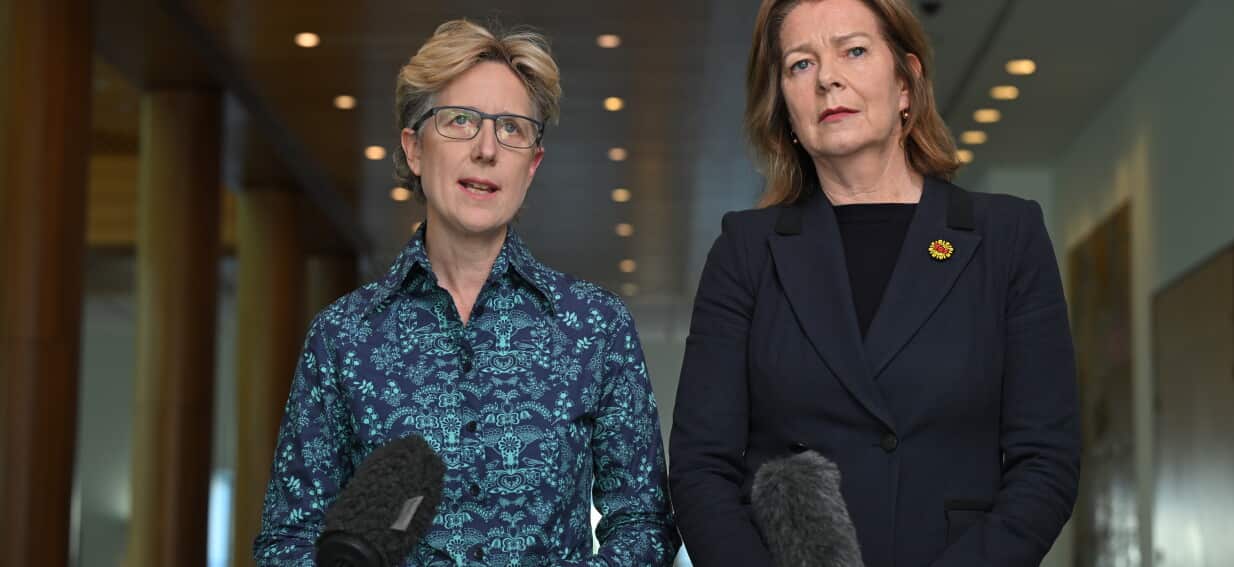
In a move that signals a generational shift within Australia's union landscape, the top two leaders of the Australian Council of Trade Unions (ACTU), Secretary Sally McManus and President Michele O'Neil, have announced they will step aside, paving the way for new leadership.
The departure of the formidable duo marks the end of an era for the nation's peak union body, with Prime Minister Anthony Albanese quickly acknowledging their significant contributions. Mr. Albanese, a long-time ally of the labour movement, extended his gratitude to both Ms. McManus and Ms. O'Neil for their "tireless advocacy" on behalf of Australian workers—a sentiment that underscores their impact over recent years.
A Decade of Defining Leadership
Sally McManus, who became the first woman to hold the ACTU Secretary position in 2017, has been a highly visible and vocal advocate for workers' rights. Her tenure was marked by strong campaigns around wage growth, insecure work, and industrial relations reform. Michele O'Neil, who assumed the presidency in 2018, brought a wealth of experience from her background in the Textile, Clothing and Footwear Union (TCFU), championing issues such as workplace safety, gender equality, and the rights of vulnerable workers.
Together, they navigated the union movement through challenging periods, including the COVID-19 pandemic and significant legislative battles. Their combined leadership saw the ACTU re-establish its industrial and political influence, culminating in key contributions to the Albanese government's 'Closing the Loopholes' reforms. SBS News Top Stories reported that their decision to step aside is aimed at creating space for a "new generation" of union leaders to emerge, suggesting a deliberate and strategic handover rather than a reactionary one.
Paving the Way for Fresh Perspectives
The notion of a "new generation" taking the reins is particularly pertinent as the Australian labour market continues to evolve. Emerging challenges such as the gig economy, the rise of artificial intelligence, and the ongoing cost-of-living crisis demand fresh perspectives and innovative strategies from union leadership. The ACTU's internal processes for selecting new leadership are expected to foster a robust discussion about the future direction of the movement.
Sources close to the ACTU, who could not be named due to internal protocols, indicated that the upcoming leadership transition would focus on identifying individuals who not only possess strong industrial credentials but also demonstrate an understanding of contemporary societal shifts and the diverse needs of the modern Australian workforce. This includes greater representation for younger workers, culturally and linguistically diverse communities, and those in emerging industries.
Albanese Government's Close Ties
The Prime Minister's prompt and public acknowledgement of Ms. McManus and Ms. O'Neil's contributions highlights the close working relationship between the current federal government and the union movement. This synergy has been a hallmark of the Albanese administration, particularly in its industrial relations agenda. The 'Closing the Loopholes' legislation, designed to improve job security and wages, could be seen as a culmination of years of advocacy by the outgoing ACTU leadership.
The future relationship between the ACTU and the government will undoubtedly be a key focus as new leaders take charge. While the philosophical alignment is expected to remain, the dynamic between personalities and the specific priorities of the new ACTU team will be keenly observed by both industry and political commentators. The continuity of robust worker advocacy, regardless of who is at the helm, will be paramount.
The Road Ahead for Workers' Rights
The departure of such influential figures undoubtedly opens a new chapter for the ACTU. The challenge for the incoming leadership will be to build upon the legacy of increased union membership and influence while adapting to a rapidly changing economic and social landscape. Maintaining momentum on critical issues such as real wage growth, workplace safety, and battling casualisation will be central to their mission.
The union movement, under its new leaders, will face the ongoing task of ensuring that all workers, from traditional industries to the growing service and digital sectors, have a voice and protection. As Australia navigates economic uncertainties and technological advancements, the strategic direction set by the next generation of ACTU leadership will be crucial in safeguarding the rights and improving the living standards of millions of Australians.