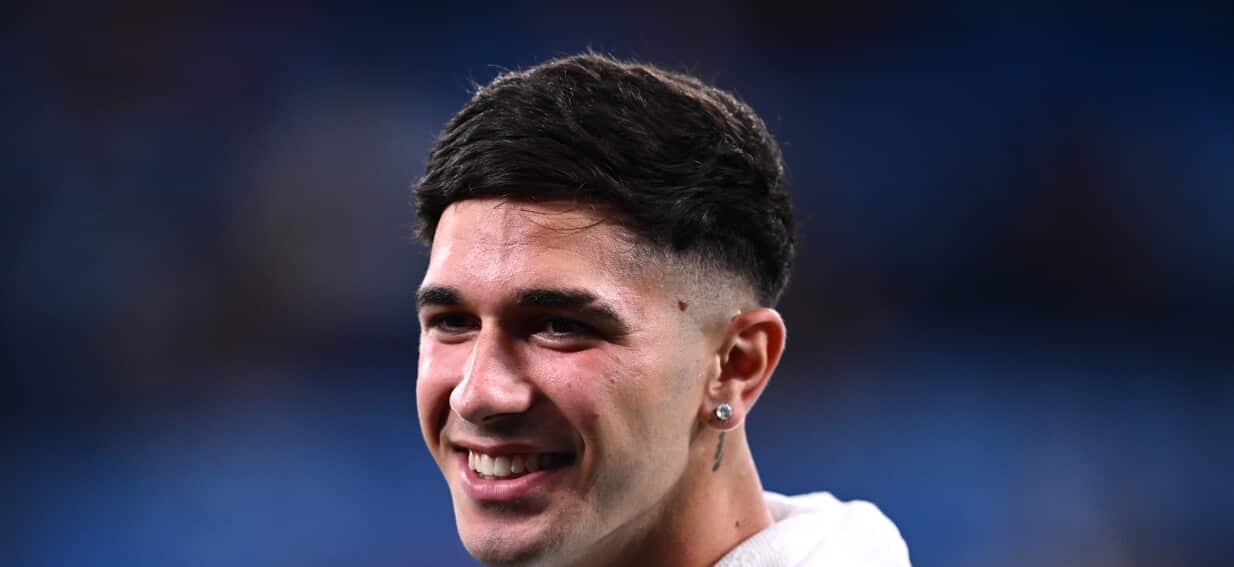
In a pointed critique that has reverberated through the AFL community, Mitch Brown, the first former player to openly identify as bisexual, has squarely condemned Adelaide Crows coach Matthew Nicks for what Brown describes as a failure to unequivocally denounce the persistent booing of Collingwood star Isaac Quaynor by Crows supporters.
Brown's impassioned stance, initially reported by ABC News Australia, thrusts the Crows' leadership under the spotlight and reignites uncomfortable conversations about crowd behaviour, player welfare, and the responsibility of clubs to foster an inclusive environment. The controversy underscores a growing expectation that coaches and club officials actively intervene in instances of unsportsmanlike conduct from the stands.
Silence rings loudly
The genesis of the dispute lies in the Crows' recent loss to Collingwood, during which a segment of the Adelaide Oval crowd subjected Quaynor to a chorus of boos every time he touched the ball. This was widely perceived as a retaliatory action following an incident in a previous game where Quaynor was involved in a collision that left Crows captain Jordan Dawson concussed. While Nicks acknowledged the booing in his post-match comments, his response was widely interpreted as downplaying the issue, suggesting it was simply part of the "cut and thrust" of AFL football. It was this nuanced, rather than outright condemnatory, approach that irked Brown.
Mitch Brown, who has been a vocal advocate for mental health and LGBTQ+ inclusion within the AFL since his retirement, argued that Nicks' response missed an opportunity to send a powerful message about respect and sportsmanship. Brown suggested that a more robust condemnation was warranted, particularly given the potential for such sustained negative attention to impact a player's mental well-being. His criticism highlights a broader societal shift where the public increasingly expects sporting figures to take a firmer moral stance on issues beyond the field of play.
The weight of expectation
For many, Brown's intervention crystallises a growing sentiment that clubs and coaches have a pastoral duty to protect players from undue harassment, irrespective of its perceived origin. The notion that professional athletes should simply "harden up" and tolerate such treatment is losing favour, especially in an era where mental health awareness is paramount. The financial implications of maintaining a positive club image are also significant, with sponsors increasingly sensitive to controversies that detract from the family-friendly atmosphere clubs aim to cultivate.
Comparisons have, of course, been drawn to the infamous booing of Sydney Swans legend Adam Goodes, which ultimately led to the dual Brownlow Medallist's premature retirement. While the contexts differ, the memory of that prolonged ordeal serves as a stark reminder of the harm unchecked crowd behaviour can inflict. The AFL has, in recent years, made concerted efforts to promote an inclusive culture, investing millions of dollars into various community programs. Incidents like the Quaynor booing, and the subsequent commentary around it, test the efficacy and sincerity of these initiatives.
A call for leadership
Brown's public rebuke implicitly challenges the Crows' leadership to reflect on their values and how they are communicated both internally and externally. The issue isn't merely about booing itself, but about the message a club sends when it chooses to respond, or not respond, to such behaviour. A strong, unambiguous condemnation from a coach can swiftly quell such actions and reinforce a club's commitment to respect.
The coming days will reveal whether Nicks or the Adelaide Crows hierarchy will issue a further statement in response to Brown's criticism. Regardless, the debate initiated by Mitch Brown has ensured that issues of crowd conduct and club accountability remain at the forefront, pushing the AFL to continually examine its role in fostering an environment where all players feel respected and protected on Australian sporting fields. The incident serves as a potent reminder that the game, in the eyes of many fans and former players alike, is about more than just the final score.