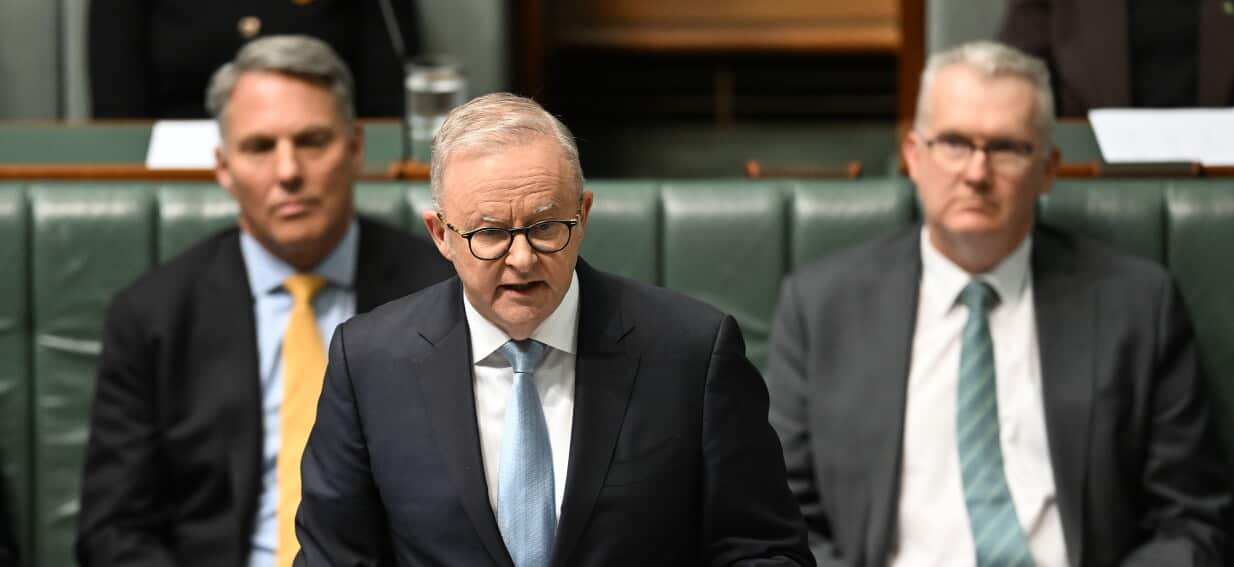
Prime Minister Anthony Albanese has vowed to review Commonwealth security arrangements after federal politicians demanded personal duress alarms following an alleged attack targeting independent member for Indi Helen Haines.
SBS News Top Stories reported that the Prime Minister confirmed his administration was determined to ensure everything possible is done to protect parliamentarians, their families, and electoral staff amid escalating threats of political violence.
The incident involving Dr Haines, an independent MP representing the regional Victorian seat of Indi, has reignited long-simmering debates inside Canberra regarding the vulnerability of politicians when working in regional electorates away from the heavily fortified parliamentary precinct.
Rising Toxicity and the Push for Personal Alarms
Federal crossbenchers and major party MPs alike have increasingly raised alarms regarding their personal safety, pushing for the rapid deployment of duress technology. Several representatives have called for portable alarm devices linked directly to the Australian Federal Police (AFP) to be issued to all parliamentarians and mobile staff.
The calls follow a series of increasingly aggressive confrontations at electorate offices, public forums, and constituency events across the country. In regional electorates such as Indi, which spans more than 28,000 square kilometres of north-eastern Victoria, local offices often operate with limited security infrastructure compared to federal departmental buildings in metropolitan centres.
Albanese Pledges Comprehensive Protection Review
Responding to the incident, Mr Albanese stressed that political leaders must be able to perform their constitutional duties without fear of intimidation or physical violence. The Prime Minister indicated that the federal government would work directly with relevant law enforcement and parliamentary services authorities to assess whether existing measures meet contemporary threat levels.
According to reporting by SBS News Top Stories, Mr Albanese reiterated his government's resolve to bolster defensive mechanisms, stating the Commonwealth is determined to make sure everything is done to guarantee safety across party lines.
The Department of Parliamentary Services, in tandem with the AFP, currently oversees the Parliamentary Electorate Office Security Framework, which underwent an overhaul following previous security reviews. However, parliamentarians argue recent geopolitical tensions and heightened domestic polarisation have dramatically increased the volume of credible threats.
Parliament Confronts a Hostile Threat Environment
The targeting of Dr Haines follows broader warnings from security agencies regarding the worsening climate facing Australian public figures. Earlier assessments by the AFP confirmed a marked surge in harassment, stalking, and violent threats directed at politicians, with female representatives frequently bearing the brunt of the hostility.
Independent MPs, who often maintain accessible, street-front offices to foster community engagement, face a unique dilemma in balancing public accessibility with necessary physical security.
Crossbench colleagues have expressed solidarity with Dr Haines, warning that if safety protocols fail to adapt, the threat of violence could deter aspiring candidates—particularly women and regional advocates—from entering public life altogether.
As the federal government evaluates the practical rollout of duress alarms and enhanced surveillance, parliamentary authorities are expected to present updated security options to the cross-party parliamentary committee in the coming weeks.