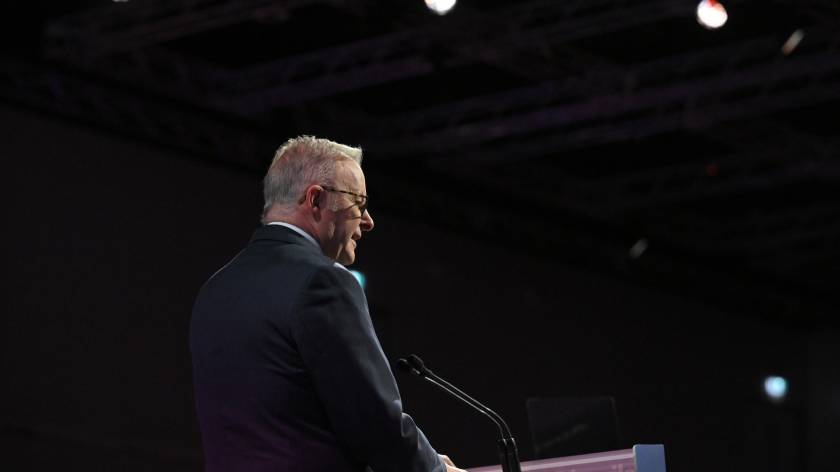
Prime Minister Anthony Albanese is bracing for a robust National Cabinet gathering, facing potential resistance from state and territory leaders over key planks of his government's agenda, including the burgeoning data centre industry and long-standing private health insurance rebates. The high-stakes meeting, anticipated to address pressing economic challenges and infrastructure demands, comes as the nation grapples with the expiration of the fuel excise relief and persistent cost-of-living concerns.
Digital Infrastructure Divides
Central to the looming confrontations are proposals concerning data centres, the physical backbone of the digital age. While the federal government views these facilities as crucial infrastructure for Australia's digital future, particularly for AI development and data security, concerns are mounting amongst state governments regarding their environmental footprint and the strain they place on energy grids. Crikey reported that states are eyeing new regulations and potential taxes on the industry, seeking to mitigate the impact of massive energy consumption and burgeoning water usage linked to cooling systems. This divergence in approach sets the stage for a tense negotiation, with the Commonwealth likely to advocate for a streamlined national framework to encourage investment, while states push for greater local control and environmental safeguards.
Health Rebate Rethink on the Table
Another significant point of contention is expected to be the future of private health insurance rebates. This long-standing federal government subsidy, designed to encourage uptake of private health cover and alleviate pressure on the public system, faces scrutiny amid budgetary pressures. While precise details remain under wraps, Crikey indicated that the Albanese government is exploring options that could lead to reforms or a re-evaluation of the current rebate structure. This move is likely to be met with strong opposition from states, who fear that any reduction in the rebate could drive more Australians into the public health system, further straining already stretched resources. Healthcare funding has historically been a flashpoint between federal and state governments, and any alteration to the rebates is guaranteed to reignite this perennial debate.
Fuel Excise Fallout and Economic Headwinds
Compounding these policy battles is the expiry of the temporary fuel excise relief, which has already begun to impact household budgets across the country. The ending of the relief, initially introduced to cushion the blow of rising petrol prices, comes at a time of continued economic uncertainty. Inflationary pressures persist, and interest rate hikes continue to bite, creating a challenging environment for many Australian families. While the federal government has signalled its intention to allow the excise to return to its full rate, the economic ripple effects will undoubtedly inform the tone and substance of discussions at National Cabinet. State and territory leaders are acutely aware of the cost-of-living burden on their constituents and will likely press the Commonwealth for further measures to alleviate financial pressures.
A Test of Federal Diplomacy
This upcoming National Cabinet meeting represents a significant test of Prime Minister Albanese's ability to forge consensus and navigate complex intergovernmental relations. With crucial policy decisions on digital infrastructure, healthcare funding, and economic support on the table, the outcomes will have far-reaching implications for all Australians. The balancing act between federal objectives and state priorities will be crucial as leaders seek to present a united front in addressing the nation's challenges, even as underlying disagreements simmer.