
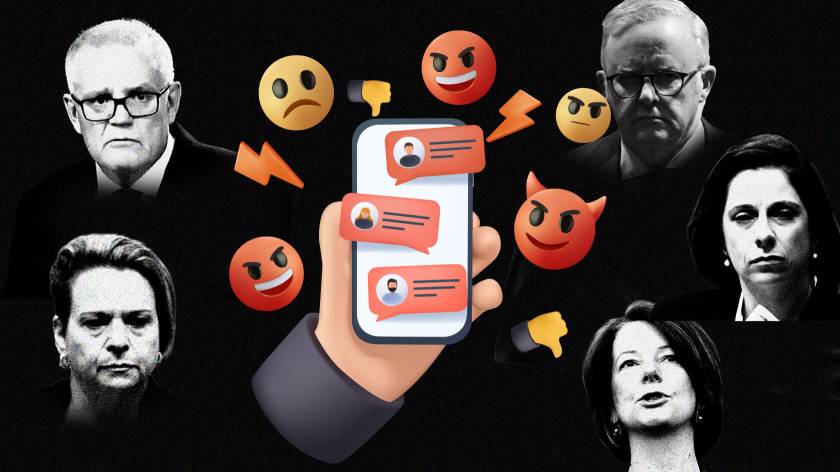
Prime Minister Anthony Albanese has tied an attack targeting independent MP Helen Haines directly to the toxic influence of social media platforms, as Labor intensifies its push for sweeping digital duty-of-care legislation.
The confrontation involving Dr Haines, the member for Indi, has quickly become a prominent reference point in the federal government’s campaign against digital harms, with ministers arguing that unchecked online radicalisation poses an acute threat to the safety of parliamentarians and broader social cohesion.
Weaponising digital platforms in political discourse
According to a report by Crikey, Mr Albanese invoked the incident to underscore the increasingly volatile nature of public life, framing platform business models as major drivers of real-world hostility directed at elected officials.
The federal government has repeatedly pointed to deteriorating standards in community engagement, asserting that digital platforms actively incentivise outrage and polarising rhetoric. Female and independent parliamentarians have documented escalating levels of coordinated abuse, warning that online animosity frequently migrates from digital forums to physical electorate offices and public gatherings.
Security agencies have similarly warned of a deteriorating threat environment facing public figures, noting that recommendation algorithms can accelerate grievances by funnelling users towards hostile and fringe viewpoints without adequate intervention.
Mounting parliamentary push for a statutory duty of care
The Prime Minister’s remarks coincide with Canberra’s preparation of a signature digital duty-of-care bill, a regulatory framework designed to compel multinational technology firms to actively mitigate foreseeable systemic risks across their services.
Modelled loosely on occupational health and safety principles, the proposed laws would shift the compliance burden away from individual users reporting abuse to the platforms themselves. Under the regime, technology providers would be legally required to address design features that amplify harassment, disinformation, and targeted abuse.
Should the legislation pass parliament, companies failing to address identified harms could face substantial civil penalties running into millions of dollars. The initiative forms part of a broader, interventionist agenda by the Commonwealth, following controversial age-assurance laws aimed at restricting minors from accessing social media services.
Questions over Canberra’s reflexive platform scrutiny
However, the administration’s readiness to connect isolated physical encounters directly to Big Tech has prompted debate within federal politics. As Crikey reported, Canberra has increasingly treated social media as an all-encompassing scapegoat for democratic tensions, raising questions regarding whether legislative remedies can resolve deep-seated social dissatisfaction.
While few dispute the corrosive volume of vitriol circulating on mainstream platforms, policy analysts caution that blaming algorithmic feeds entirely risks deflecting attention from the underlying political, economic, and institutional strains animating public anger.
With crossbench members scrutinising the balance between public safety and freedom of expression, the government faces a complex negotiation in the Senate. Nevertheless, ministers maintain that restoring civility to the political landscape will remain impossible until digital platforms are held legally accountable for the hostility they facilitate.


