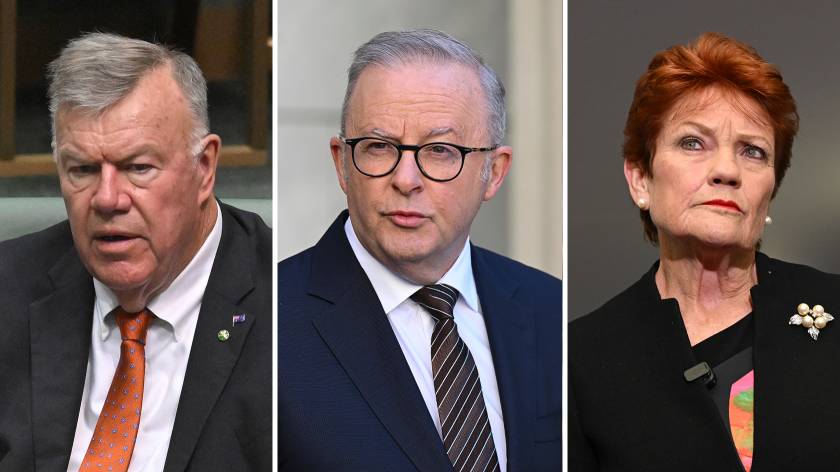
Prime Minister Anthony Albanese is confronting renewed criticism over his executive authority to distribute taxpayer-funded advisers, following controversial staffing overtures to minor party parliamentarians that critics argue undermine integrity in Canberra.
A Contested Executive Discretion
Crikey reported that Mr Albanese’s recent decision to offer an additional parliamentary adviser to One Nation representative David Farley has ignited intense scrutiny over how executive resources are deployed to manage parliament. The manoeuvre has drawn unexpected condemnation from across the ideological spectrum, with One Nation leader Pauline Hanson herself publicly challenging the rationale behind the Prime Minister’s staffing overtures.
Critics argue the episode underscores a fundamental vulnerability in the governance of the federal legislature: the unvetted, discretionary power invested in the prime minister to distribute personal staff to select non-government members.
The Transactional Politics of MOP(S) Allocations
Under the provisions of the Members of Parliament (Staff) Act, executive discretion dictates the supplementary staffing levels allocated to the crossbench, minor parties, and opposition members. When Labor formed government in May 2022, Mr Albanese moved swiftly to slash additional crossbench staff from four advisers down to one, framing the austerity measure as an issue of equity and responsible public expenditure.
However, that stance has faced sustained pushback as selective exemptions have emerged. Crikey reported that the decision to grant concessions to minor-party figures points to diminished political instincts within the prime minister's office, warning that such selective allocations inevitably look like transactional patronage. Taxpayer-funded personnel, critics argue, risk becoming bargaining chips used to lubricate difficult negotiations through an unpredictable Senate.
Deepening Fractures Across the Crossbench
The perceived inconsistency in staff distribution has reignited frustration among independent MPs and senators, who have long protested the reduction in their administrative and policy capacity. Community independents, including the teal MPs in the House of Representatives, have maintained that without party secretariats and departmental briefings, independent crossbenchers require adequate analytical support to scrutinise complex omnibus legislation.
When minor parties are selectively offered taxpayer-funded support while others remain constrained by the 2022 staffing caps, it fuels suspicions that access to public resources is tied to legislative compliance rather than parliamentary need.
Growing Momentum for Independent Reform
The controversy has strengthened arguments that the prime minister should be stripped of the unilateral power to determine crossbench staffing altogether. Integrity advocates and governance experts have long recommended transferring these decisions to an independent body, such as the Parliamentary Budget Office or an autonomous remuneration tribunal.
Proponents of reform contend that establishing an arm’s-length, transparent formula based on electorate demands and legislative obligations would insulate parliamentary staff allocations from the taint of horse-trading. Until executive discretion is curtailed, Mr Albanese will remain vulnerable to charges that ministerial power is being harnessed to serve immediate political expediency rather than institutional integrity.