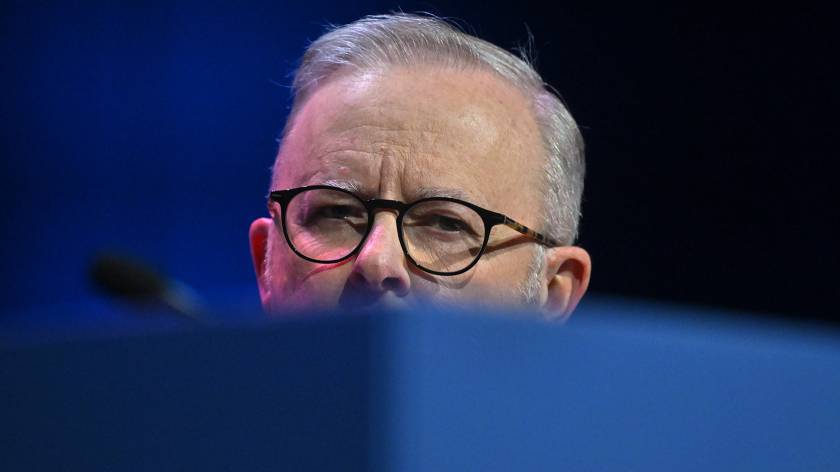
Prime Minister Anthony Albanese's attendance at a clandestine fundraising dinner in Sydney has sparked a fresh political transparency row, with critics highlighting the protracted timeline for public disclosure and the opaque nature of political donations in Australia.
While the event, held at a prominent Sydney venue, involved top political figures and potential benefactors, the full financial intricate details surrounding it may not see the light of day for almost three years. This delay has drawn sharp criticism from media outlets and transparency advocates, who argue it undermines public trust in the political process.
A Long Wait for Answers
Crikey, an independent Australian news outlet, first brought the extended disclosure timeline to public attention. According to their reporting, the Australian Electoral Commission's (AEC) current reporting guidelines mean that specific financial contributions related to the dinner, including who donated what and for what purpose, may not be publicly accessible until April 2027. This lag is due to a combination of reporting cycles and the specific timing of the fundraising event within those cycles.
Such a prolonged period between an event and its full disclosure raises significant questions about accountability. Critics contend that by the time information becomes public, its relevance might be diminished, and any potential public scrutiny or political fallout could be significantly blunted. It allows for a substantial period where the public remains unaware of who is financially supporting their political leaders and what potential influence those donations might wield.
The Broader Donation Dilemma
The Albanese dinner saga is not an isolated incident but rather a symptom of a larger systemic issue within Australia's political donations framework. Current regulations allow for significant delays in the reporting of donations, particularly for those below the disclosure threshold, and for events that occur early in a financial year.
Transparency International Australia has repeatedly called for comprehensive reforms to Australia's political funding laws, advocating for real-time disclosure of all political donations above a significantly lower threshold. They argue that the current system is easily exploited, fostering an environment where special interests can exert undue influence away from public scrutiny. The mystery dinner, therefore, serves as a timely illustration of the perceived shortcomings in the existing legislative landscape.
Calls for Urgent Reform
Political commentators and civil society groups are using this incident to renew calls for urgent reforms to Australia's political donation laws. Proposed changes include reducing the disclosure threshold for donations, implementing a real-time reporting system, and increasing the frequency of disclosures. Such measures, proponents argue, would significantly enhance transparency and accountability, ensuring that the public is better informed about the financial backing of their elected representatives.
The Prime Minister's office has yet to offer a detailed response to the specific criticisms surrounding the dinner's disclosure timeline, generally operating within the existing legal frameworks. However, the controversy serves as a potent reminder that while legal, the current donation reporting process is far from ideal in fostering an open and accountable democracy. As the nation approaches future electoral cycles, the pressure for a more transparent system is only set to intensify, particularly concerning high-profile fundraising events involving the nation's top officeholders.