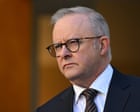
Anthony Albanese has embarked on an international summit tour seeking diplomatic reprieve, even as stubborn inflation and the threat of further interest rate hikes compound mounting domestic political pressures at home.
Diplomatic circuit breaker amid political headwinds
The Prime Minister's departure marks the opening of the annual multilateral summit season, providing Mr Albanese with a global platform away from a bruising domestic landscape. As The Guardian Australia reported, political analysts view the high-level international travel as a potential circuit breaker for an administration bogged down by political spot fires and cooling voter sentiment.
Yet the optics of international diplomacy carry distinct perils. While prime ministers traditionally benefit from projecting authority alongside world leaders, extended periods abroad risk detaching the government from the acute anxieties felt across suburban households, where economic fatigue has steadily eroded Labor's political capital.
Inflation threat clouds economic messaging
Dominating the domestic horizon is the growing likelihood of an official cash rate increase, following quarterly consumer price index figures that proved uncomfortably resilient. Financial markets and economists have increasingly factored in the prospect of the Reserve Bank of Australia lifting borrowing costs once again to tame entrenched price pressures.
Any further rate hike while Mr Albanese is overseas would severely complicate the economic narrative championed by Treasurer Jim Chalmers. The federal government has repeatedly insisted that its fiscal settings are working in tandem with monetary policy to suppress inflation without crushing economic growth. A renewed tightening cycle would not only hit mortgage holders already at breaking point, but also intensify opposition claims that federal spending is sustaining underlying inflationary drivers.
High-stakes encounters in the Caribbean
Against this fraught economic backdrop, Mr Albanese’s immediate itinerary places him at the Commonwealth Heads of Government Meeting in Antigua and Barbuda. Among his principal engagements will be high-level discussions with King Charles III and counterparts across the 56-nation bloc.
The Commonwealth gathering is expected to focus on pressing multilateral priorities, including climate resilience for small island developing states, geopolitical stability, and multilateral trade. For Canberra, the summit offers an avenue to reinforce regional partnerships and shore up diplomatic influence, particularly as strategic competition across the Pacific and developing regions remains an enduring concern.
The perilous divide between summits and suburbs
Nevertheless, government strategists remain acutely aware of the contrast between the formal environs of international summits and the kitchen-table strain facing everyday Australians. With power bills climbing, grocery receipts swelling, and housing affordability severely constrained, foreign trips can easily be framed by political opponents as detached from domestic realities.
If the Reserve Bank delivers a fresh interest rate blow in the coming weeks, the Prime Minister will find it difficult to translate international goodwill into domestic political recovery. Reaffirming ties with global partners may burnish Mr Albanese's credentials abroad, but it is the compounding economic realities awaiting his return that will ultimately define his government's fortunes.