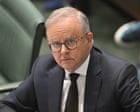
Prime Minister Anthony Albanese is facing renewed friction from a restless parliamentary crossbench, as simmering grievances over slashed staff allocations collide with independent scrutiny regarding regional community grant spending.
The political temperature inside the federal parliament has steadily climbed, with the prime minister navigating growing discontent among key non-aligned members whose cooperation remains vital to broad legislative progress in Canberra.
Resentment Mounts Over Slashed Electorate Support
At the heart of crossbench dissatisfaction is the federal government’s contentious decision to curb taxpayer-funded personal staffing entitlements for independent members. Crossbenchers, who entered parliament following historic swings at the last federal election, have consistently argued that reduced adviser numbers directly undermine their capacity to review dense, complex legislation alongside major-party machines.
As The Conversation AU reported, heat is rising around Albanese as community independents refuse to let the issue slide. MPs have warned privately and publicly that the executive's tight rein on resources is designed to insulate the government from legislative amendment, rather than deliver the democratic renewal promised on the campaign trail.
While the government maintains that staffing arrangements must balance fiscal restraint with fairness across all members, the cuts have hardened attitudes on the crossbench. The prolonged dispute has injected fresh acrimony into daily negotiations, eroding the initial goodwill extended to the Albanese ministry.
Haines Sharpens Focus on Discretionary Grants
Simultaneously, the prime minister is grappling with unresolved questions around discretionary community funding. Independent MP for Indi Helen Haines has continued to press the government on grant transparency, with concerns lingering over questionable allocations, including a disputed golf club grant that has become a symbol of broader governance anxieties.
The Conversation AU reported that Haines’ persistent alarm over the handling of the golf club grant has kept administrative integrity firmly in the Canberra spotlight. For integrity-focused independents, the issue strikes at the core of their political mandates: the total eradication of ministerial pork-barrelling and discretionary bias in regional Australia.
Haines and her colleagues have repeatedly urged the government to implement legally binding frameworks that enforce equitable, merit-based allocation of Commonwealth funds, warning that piecemeal administrative updates fail to eliminate the potential for political favouritism.
Strained Goodwill Threatens Legislative Agenda
The dual flashpoints of reduced staffing and grant scrutiny represent an escalating operational risk for the government. While Labor commands a slim majority in the House of Representatives, it depends on crossbench backing in the Senate and cannot afford to alienate a burgeoning independent cohort in lower-house electorates.
With independent parliamentarians sharpening their focus on transparency, Albanese faces the prospect of an emboldened crossbench ready to exact political and legislative costs whenever the executive overreaches. Unless ministers address these simmering grievances, the prime minister risks turning natural allies into entrenched adversaries.