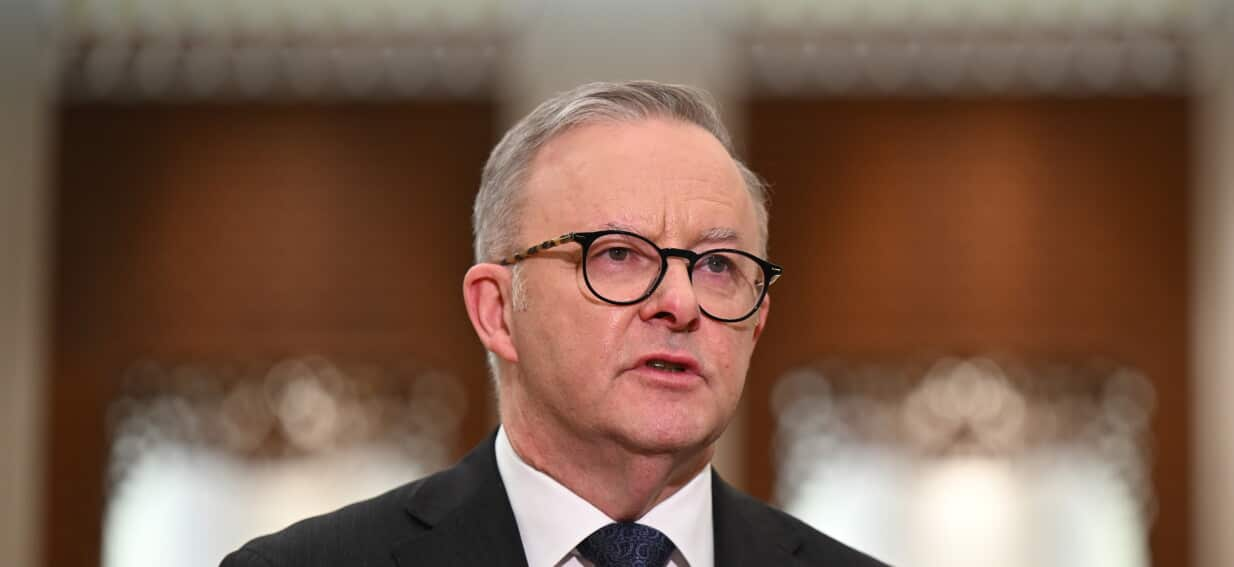
Prime Minister Anthony Albanese has issued a solemn warning to global leaders against rising political polarisation, following an alleged attack targeting independent federal MP Helen Haines in regional Victoria.
SBS News Top Stories reported that the Prime Minister linked the confronting episode involving the member for Indi to a deteriorating international climate where civil debate is fracturing. Mr Albanese cautioned that toxic division is steadily eroding social cohesion across liberal democracies, calling on international counterparts to recognise the acute vulnerabilities confronting elected representatives.
Global Democracy Under Growing Strain
The Prime Minister addressed the wider geopolitical context, warning that democratic institutions worldwide are suffering under the weight of escalating radicalism and public discord. According to SBS News Top Stories, Mr Albanese stressed that the erosion of mutual respect within civic discourse presents an immediate risk to stability, with elected officials increasingly placed on the frontlines of domestic tension.
The episode involving Dr Haines has intensified concerns within Canberra regarding the pace at which extremist grievances are migrating from online fringes into public encounters. Observers note that while Australian political culture has historically prided itself on close constituency engagement, the widening social fractures seen in North America and Europe are now finding dangerous parallels on domestic soil.
Security Concerns Mount in Federal Electorates
The alleged attack on Dr Haines—a widely respected crossbencher who has represented the rural Victorian seat of Indi since 2019—has sent tremors through the parliamentary community. Federal parliamentarians across party lines have expressed shock at the incident, with colleagues commending her calm demeanour while demanding heightened vigilance for constituency staff.
In response, law enforcement agencies and parliamentary security officials have reviewed protection measures for MPs travelling outside metropolitan centres. The Australian Federal Police (AFP) has previously documented a sharp increase in hostile approaches, harassment and physical threats directed at parliamentarians, particularly female politicians and those holding independent seats without the security apparatus afforded to major party executives.
Deteriorating Discourse and Parliamentary Culture
Parliamentary colleagues note that the nature of constituency work has fundamentally shifted over the past decade. Where town hall gatherings and street stalls once operated with minimal friction, lawmakers are now routinely confronted by aggressive agitators animated by conspiratorial rhetoric and hyper-partisan grievances.
The Prime Minister noted that this decline in basic civility not only imperils the personal safety of parliamentarians but also undermines the functioning of government itself. When democratic representatives are subjected to intimidation, the capacity to deliver transparent and accessible governance is inevitably compromised, threatening the reciprocal compact between voters and their elected advocates.
Heightened Surveillance for Constituency Offices
Following the confrontation, Commonwealth authorities are expected to expedite ongoing safety reviews across electorate offices nationwide. Federal funding allocated for MP security has risen substantially in recent budgetary cycles, covering upgraded surveillance networks, reinforced entry points, and expanded direct liaison lines with regional police commands.
While authorities work to ensure that Dr Haines and her staff receive comprehensive support, the Prime Minister’s international message underscores a sobering reality. Without a concerted global effort to de-escalate political hostilities and mend fractured public sentiment, the foundational institutions of democratic representation will remain dangerously exposed.