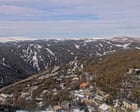
Australia's premier ski fields are facing an existential crisis after recording scorching temperatures up to 12 degrees Celsius above average, shattering long-standing July climate records. The unprecedented heatwave has left many alpine areas bone dry, with only sporadic natural snowfall, jeopardising the winter sports season for millions.
Record Highs Scorching the Slopes
The Bureau of Meteorology (BoM) confirmed that popular Victorian resorts of Mount Hotham and Falls Creek registered their hottest ever daytime and night-time temperatures for July. Across the border in New South Wales, Thredbo also reported a new record for its warmest July day. These alarming figures paint a stark picture for an industry heavily reliant on consistent cold temperatures and natural snowfall.
The Guardian Australia reported on the weekend that these extreme conditions have left ski operators scrambling, with many areas struggling to produce sufficient artificial snow given the unseasonably warm nights. The financial implications for businesses, from ski hire shops to accommodation providers, are considerable, with an expected downturn in visitor numbers should the lean conditions persist. The winter sports industry contributes hundreds of millions of dollars to the regional economies of NSW and Victoria each year, and a poor season could have widespread economic ripple effects.
A Bleak Outlook for Snow Enthusiasts
The start of the 2024 ski season has been exceptionally dry and warm, a stark contrast to the robust snowfalls of previous years. Ski resorts typically bolster natural snow with extensive snowmaking operations, but even these efforts are proving challenging in the face of persistent high temperatures. The need for sustained cold snaps, particularly overnight, is critical for snow guns to operate efficiently and cover the slopes adequately.
Environmental scientists and climate experts have long warned about the impact of rising global temperatures on Australia's alpine ecosystems. This latest temperature anomaly serves as a visceral reminder of the tangible effects of climate change on local industries and recreational activities. The long-term viability of snow sports in Australia is increasingly being questioned as these extreme weather events become more frequent.
Economic Chill Spreading Across Alpine Towns
The lack of consistent snow cover is not just a disappointment for avid skiers and snowboarders; it represents a significant economic threat to the small towns and communities that depend on the winter tourism dollar. Local businesses, which heavily invest in staffing and inventory ahead of the ski season, are now facing the prospect of reduced trade and potential losses.
Operators are implementing various strategies to mitigate the impact, including offering alternative activities and promoting early-season discounts. However, the allure of Australian ski fields is intrinsically linked to pristine white slopes, an image that is becoming increasingly difficult to maintain in the face of these unprecedented climatic conditions. As the mercury continues to defy winter expectations, the future of Australia's alpine playgrounds looks increasingly uncertain, prompting urgent conversations about adaptation and resilience within the industry.