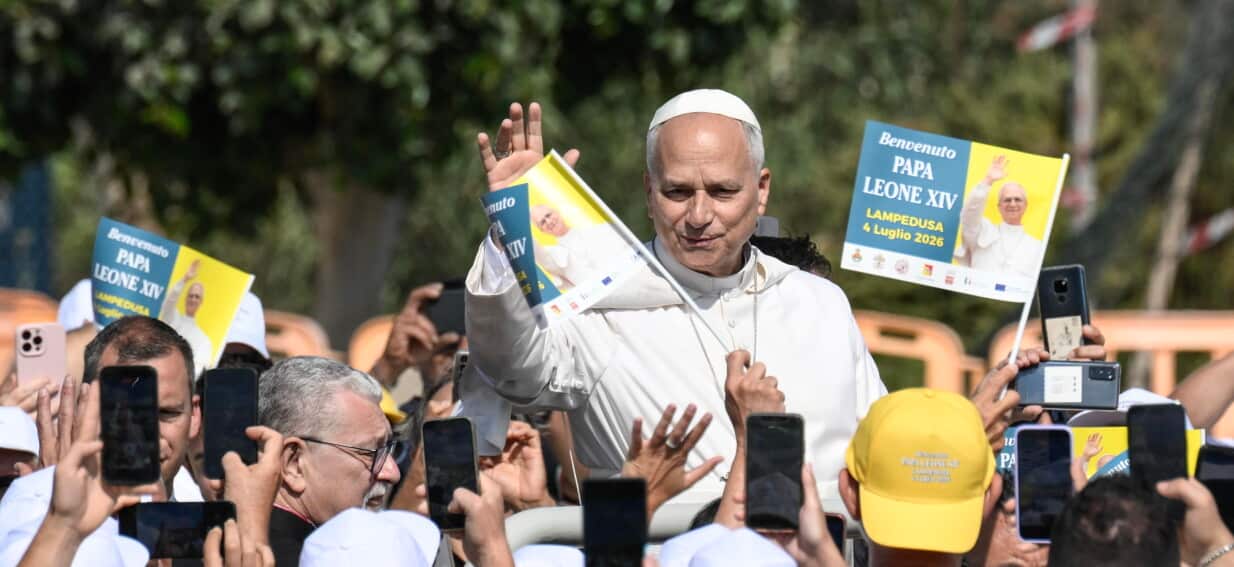
In an unusual and highly symbolic gesture, Pope Francis – the first American to lead the Catholic Church – dedicated the United States' Independence Day to an impassioned plea for migrants, choosing a location at the very heart of Europe’s contentious migration debate. From the Italian island of Lampedusa, a primary disembarkation point for countless asylum seekers, the pontiff offered prayers and a significant message for a global audience grappling with the complexities of human displacement.
SBS News Top Stories reported on the Pope's decision to forgo traditional Fourth of July observances in favour of this somber reflection. His presence in Lampedusa underscored the immense human toll of irregular migration, transforming America's national day into a moment of international introspection on a crisis that transcends borders and political divides.
A Sanctuary in the Mediterranean
Lampedusa, a small island municipality located closer to Tunisia than to mainland Italy, has long been a reluctant front line in Europe's migration saga. It is a place of both desperate hope and profound tragedy, where thousands of individuals, fleeing conflict, persecution, and poverty, first touch European soil. The Pope's choice of location was a deliberate amplification of the plight of these vulnerable people, many of whom undertake perilous journeys across the Mediterranean Sea in overcrowded, unseaworthy vessels. His visit served as a potent symbol of solidarity, drawing the world's attention to the urgent humanitarian challenges faced by both migrants and the communities that receive them.
The Pontiff's Unifying Message
Pope Francis used the solemn occasion to issue a broader appeal for compassion and a unified approach to global migration. While not explicitly addressing US immigration policies, his message carried implicit weight for his home continent. He called for an end to the 'globalisation of indifference,' a phrase he has frequently employed to describe the world's perceived apathy towards human suffering. The pontiff stressed the moral imperative to welcome, protect, promote, and integrate migrants, advocating for policies that respect human dignity above all else. This stance reiterates the Catholic Church's long-standing position on the humane treatment of migrants and refugees, urging governments and individuals to recognise the shared humanity of those seeking new beginnings.
An Australian Perspective on a Global Challenge
For Australian readers, the Pope's intervention resonates within the context of our own national discussions on border protection and asylum seeker policies. While geographically distant, Australia too grapples with the ethical and practical challenges of managing irregular migration. The financial commitment required to address these issues is substantial; for example, the annual cost of offshore processing and related immigration detention has been estimated to be in the hundreds of millions of Australian dollars. The Pope's emphasis on human dignity and shared responsibility serves as a timely reminder that migration is a complex global phenomenon demanding compassionate and cooperative solutions, rather than purely punitive or isolationist measures. His message encourages a reflection on how societies, including our own, balance national interests with universal human rights.
Beyond Borders: A Call to Conscience
The Pope's Independence Day appeal from Lampedusa was more than just a religious ceremony; it was a profound act of moral leadership. By spotlighting the suffering on Europe's edge, Pope Francis aimed to prick the conscience of nations worldwide. It was a call for leaders and citizens alike to look beyond national borders and political rhetoric to the human faces of those displaced, urging a renewed commitment to humanitarian values. The pontiff’s letter, sent symbolically to the US on its day of national celebration, underscored that the fundamental rights and dignity of migrants are not confined by nationality or geography but are universal, demanding a global response built on empathy and shared responsibility.