Australian taxpayers are facing an ever-expanding commitment to the AUKUS submarine program, with a staggering $4.6 billion in additional funding quietly allocated to the Osborne shipyard in Adelaide. This latest injection of capital raises ongoing questions about the true cost of the trilateral security pact, even as the Albanese government reportedly seeks to minimise discussion on the matter, particularly at upcoming party forums.
The substantial funding boost brings the total investment in the crucial South Australian shipbuilding facility to an eye-watering figure, underscoring the monumental scale of the AUKUS endeavour. While the government frames these investments as critical for national security and sovereign capability, the escalating price tag is likely to fuel renewed calls for greater transparency and detailed parliamentary oversight.
Osborne's Expanding Horizon, Expanding Bill
The additional $4.6 billion signifies a significant expansion of the financial commitment to the Osborne Naval Shipyard, which is earmarked to become the epicentre for the construction of Australia's nuclear-powered submarines under the AUKUS agreement. This capital is intended to further develop and upgrade the yard's infrastructure, ensuring it can accommodate the complex and demanding requirements of building and maintaining these advanced vessels. The scale of the investment reflects the intricate nature of the program, from specialised dry docks and heavy-lift capabilities to advanced manufacturing and workforce training facilities.
The continuous flow of funds into Osborne highlights the long-term, multi-generational nature of the AUKUS commitment. While the government has consistently defended the costs as necessary for national defence, critics argue that the public is not being adequately informed about the full financial implications, which extend far beyond initial estimates and are prone to significant revision as the project evolves.
Silencing the AUKUS Debate
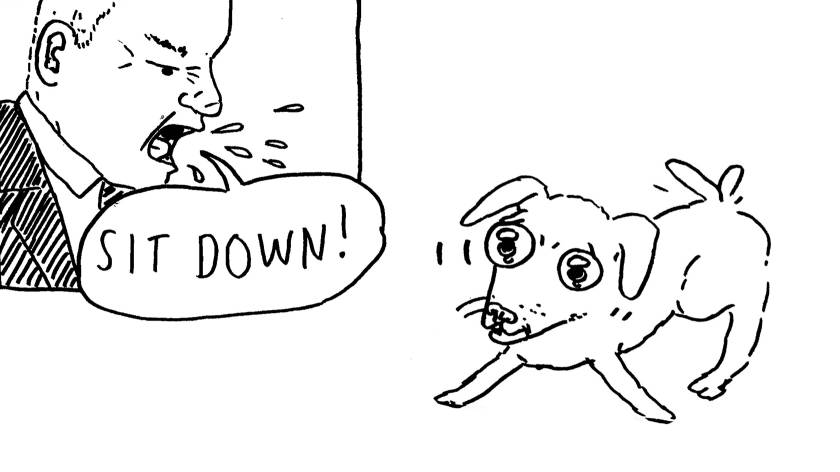
Curiously, despite the colossal sums involved, there is a perception, as reported by Crikey, that the government is keen to limit extensive discussion about AUKUS spending. This reticence is particularly notable ahead of significant political gatherings, where such large-scale expenditure would typically be a subject of intense scrutiny and debate among party members. The apparent desire to 'keep a lid' on the discussion raises concerns about democratic accountability and the public's right to understand where its tax dollars are being allocated.
Such an approach could be interpreted as an attempt to manage public perception and prevent potential internal dissent or criticism from overshadowing other agenda items. However, stifling debate on a project of this magnitude, which will shape Australia's defence posture and national budget for decades, risks eroding public trust and creating an environment where crucial decisions are made with insufficient parliamentary or public input.
Opposition's Renewed Thrust
Meanwhile, within the Liberal Party, Senator James Paterson is reportedly taking on a more prominent role in attempting to revitalise the opposition. While not directly related to the AUKUS funding announcement, the challenges facing the Liberal Party under new leadership will undoubtedly intersect with major policy debates such as defence spending. As the costs of AUKUS continue to mount, it offers a potential avenue for the opposition to challenge the government's fiscal management and transparency, linking the issue to broader economic concerns facing Australian households.
Paterson's efforts to rejuvenate the party come at a time when major government expenditure, particularly on defence, is under increased scrutiny. The Liberal Party, having been a proponent of AUKUS, will need to carefully navigate its criticism of the program's costs, balancing support for its strategic intent with calls for fiscal prudence and greater accountability from the government for the ever-increasing price tag at facilities like Osborne.