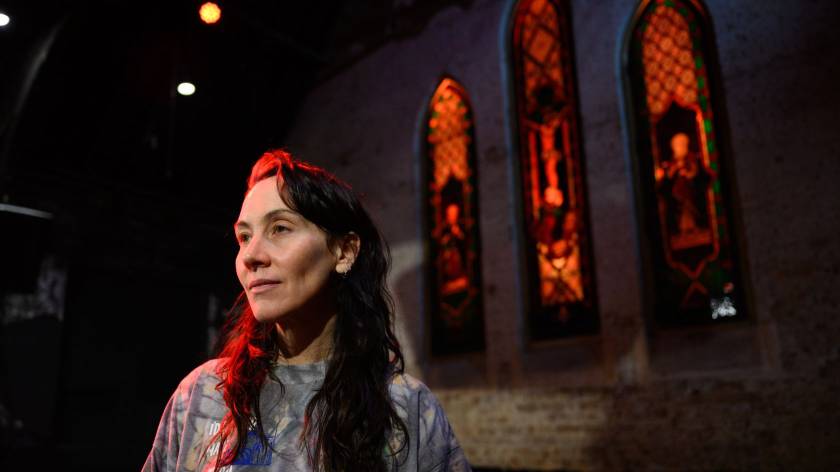
Amidst the ongoing debate and financial fallout surrounding the last-minute relocation of the Commonwealth Games from regional Victoria to Glasgow, one Australian athlete is unequivocally thrilled with the Scottish setting. Gold medallist Iona Anderson, whose family roots run deep in the Highlands, has found triumph and a profound personal connection in the unexpected change of venue.
Her victory, a moment of elation for Anderson, stands in stark contrast to the widespread disappointment expressed by many Australians and Victorian officials over the Games' dramatic shift. The initial decision to host the 2026 Games across multiple regional Victorian hubs was lauded as an innovative and inclusive approach, promising significant economic benefits and a global spotlight for towns like Geelong, Bendigo, Ballarat, Gippsland, and Shepparton. However, citing escalating costs – reported by the Victorian government to be in the order of AUD $6-7 billion, far exceeding the initial AUD $2.6 billion estimate – Premier Daniel Andrews announced the state's withdrawal in July 2023, triggering a scramble for a new host city.
Highland Heart in an Aussie Champion
For Anderson, the move to Glasgow hasn't just been a logistical blip; it's a homecoming of sorts. With a strong Scottish family background, competing in the historic city has added a deeply personal layer to her athletic achievement. "Many Australians may be bemoaning the controversial and costly relocation of the Commonwealth Games from regional Victoria to Glasgow, but gold medallist Iona Anderson is not one of them," ABC News Australia reported, highlighting the athlete's unique perspective.
Her Scottish heritage is not just a footnote; it's a vibrant part of her identity, and to win a Commonwealth Games gold medal on ancestral soil is, for her, a dream realised in the most unexpected way. This connection has undoubtedly fuelled her performance, providing an extra emotional impetus that might not have been present on a Victorian track or field. The roar of the Glasgow crowd, a blend of Scottish enthusiasm and transplanted Australian support, has no doubt sounded sweeter to Anderson than to many of her compatriots.
The Costly Games and a Golden Exception
The financial implications of Victoria's withdrawal continue to ripple through Australian politics and public discourse. The Victorian government agreed to pay AUD $380 million in compensation for breaking the host contract, a sum that has drawn considerable criticism and scrutiny. This financial penalty, coupled with the dashed hopes of regional communities that had already begun preparations and excitedly anticipated the influx of visitors and infrastructure upgrades, has left a sour taste for many.
While the national sentiment leans towards frustration and disillusionment about the Games' fate, Anderson's personal victory offers a poignant counter-narrative. It underscores how individual experiences can diverge sharply from broader public opinion, particularly when personal heritage and lifelong ambitions intersect in serendipitous ways. Her triumph serves as a reminder that even in controversial circumstances, moments of individual joy and success can emerge.
Unforeseen Advantages of a New Horizon
Beyond just the personal connection, the Glasgow relocation may have presented unforeseen advantages for some athletes. The established sporting infrastructure of a major European city, combined with its accessibility for many Commonwealth nations, could be seen as a silver lining for athletes who might have faced more challenging travel or acclimatisation in regional Victorian towns. For Anderson, the familiar climes and cultural resonance of Scotland clearly provided a comfortable and inspiring backdrop for her peak performance. Her gold medal is not just a win for Australia; it's a testament to the unexpected paths to glory, sometimes found on distant shores and deeply personal grounds.