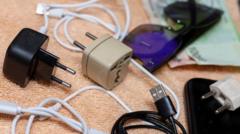
Heading overseas this holiday season? That budget-friendly power adaptor you snagged online could be a ticket to electrocution or a hotel fire, consumer safety groups warn, as they urge Australians to exercise extreme caution when purchasing electrical accessories for international travel.
The warning comes as millions of Australians plan their escapes, with many unknowingly gambling on their safety by opting for cheaper, non-compliant adaptors found across various retailers and e-commerce platforms. The dangers range from severe electric shock and fire hazards to damage to expensive electronic devices, turning a dream holiday into a potential nightmare.
The Silent Threat in Your Suitcase
Unlike Australia's rigorously tested and certified electrical products, many adaptors sold online or in discount stores for international use are manufactured without adhering to essential safety standards. These substandard devices often lack proper insulation, utilise inferior materials, or have critical design flaws that can lead to catastrophic failure when connected to foreign power outlets and Australian appliances.
The BBC Business recently reported on a similar warning from UK campaign group Electrical Safety First, which urged British travellers to "think before they buy" when it came to adaptors. The organisation highlighted common faults such as inadequate wiring, poor construction that allows live parts to be exposed, and a complete absence of necessary fuse protection. These issues are not confined to the UK market; Australian consumers face identical risks from globally sourced products.
Spotting the Danger Signs
Identifying a safe adaptor from a hazardous one can be challenging, but there are clear red flags. Reputable adaptors should prominently display regulatory compliance marks relevant to their country of manufacture and sale – for Australia, this often includes the RCM (Regulatory Compliance Mark). Beware of products with vague branding, no manufacturer information, or those that simply state "CE" without any accompanying details, as this mark is often faked on unsafe goods.
Consumers should physically inspect adaptors for robust construction. Loose components, flimsy plastic casings, or an unusual lightness can indicate poor quality. Crucially, safe adaptors for countries like the UK or parts of Europe require internal fuses to protect against overloads, a feature often omitted in cheaper, non-compliant versions. The absence of an earth pin in certain adaptors, particularly for Australian devices requiring one, is another grave concern.
Where to Buy for Peace of Mind
The best advice for Australian travellers is to purchase adaptors from reputable retailers, both online and bricks-and-mortar stores, that are known for stocking certified electrical goods. While they might cost a few dollars more – perhaps $20-$40 per adaptor compared to $5-$10 for a high-risk alternative – the price of safety is immeasurable.
Spending a little extra upfront can save thousands in potential medical bills, property damage, or the loss of cherished electronics. Travellers should also consider universal adaptors from established brands designed with safety in mind, ensuring they cover multiple regions without compromising on protective features. Prioritising safety checks on these small but critical items is paramount to a genuinely worry-free holiday.