
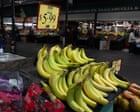
Australian families are facing a perplexing and pricey start to the school term, with supermarket shelves stripped bare of the nation's most popular fruit: bananas. A sudden and severe shortage, driven by unseasonably cool weather in Queensland's key growing regions, has left retailers struggling to meet demand, leading to sparse displays or, for the lucky few, unripened green stock.
Adding to the frustration, this banana drought coincides with an already challenging period for fresh produce. The traditional apple season is winding down after difficult growing conditions, while summer stone fruits are yet to arrive in significant quantities. This confluence of factors creates what industry observers are calling a 'tricky time' for parents packing lunchboxes and consumers seeking affordable, accessible fruit options.
Queensland Chill Stunts Production
The root cause of the current banana scarcity lies firmly in North Queensland, the heartland of Australia's banana industry. Cooler-than-average temperatures in major growing areas, such as the Tully and Innisfail regions, have significantly slowed the maturation process of banana crops. Bananas, tropical by nature, thrive in warmth, and prolonged periods of chill can dramatically extend the time it takes for fruit to develop and ripen sufficiently for harvest.
"Growers are doing their best, but you can't rush nature," commented a spokesperson for an industry body, explaining that while the trees are laden with fruit, it simply isn't ready. This means fewer bananas are making it from the farms to distribution centres, and consequently, to supermarket aisles across the country. Major retailers like Coles, Woolworths, and Aldi have been particularly affected, with many stores reporting significantly reduced volumes or being completely out of stock for periods.
Triple Whammy for Fruit Bowls
Compounding the banana woes is the broader state of Australia's fresh fruit supply. The Guardian Australia reported that the banana shortage has struck at an unfortunate juncture, following a less-than-ideal apple harvest. Adverse weather conditions in apple-growing regions earlier in the season contributed to reduced yields and, in some cases, compromised fruit quality, leading to higher prices and fewer varieties on offer.
Furthermore, the usual seasonal influx of summer stone fruit – peaches, nectarines, and plums – is yet to fully materialise. While some early varieties are beginning to appear, the main bulk of the harvest is still weeks away. This triple whammy of reduced banana availability, a diminished apple supply, and a waiting game for stone fruit means consumers have fewer affordable and convenient choices when filling fruit bowls or preparing meals.
Price Hikes Expected Amidst Scarcity
As is typical with supply and demand imbalances, consumers can expect to see price increases for the limited banana stock available. While exact figures fluctuate daily and vary by retailer, prices are anticipated to climb well above the usual average of $3 to $5 per kilogram, possibly reaching upwards of $7 or even $8 per kilogram in some areas, depending on the severity of local shortages and freight costs. This upward pressure on pricing is likely to persist until warmer weather conditions allow for a return to normal production levels in Queensland.
Industry experts suggest that while the immediate future for banana supply looks tight, the situation is not unprecedented. Australian agriculture is often at the mercy of climatic variations. Growers are hopeful that as temperatures in North Queensland eventually rise, the delayed crops will mature, gradually replenishing supermarket shelves and bringing prices back down to more consumer-friendly levels. Until then, shoppers are encouraged to explore alternative fruit options or brace for a period of elevated banana prices and intermittent availability.


