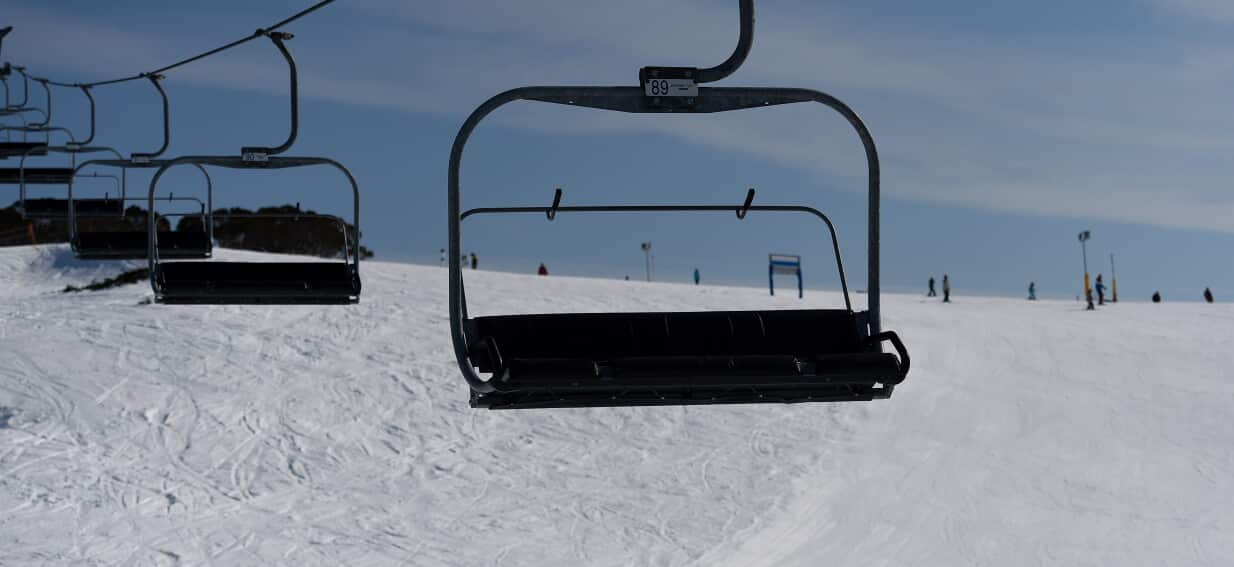
Australia is on track for a potentially record-breaking warm winter, with early signs pointing to an unprecedented season that could leave ski fields struggling and raise further questions about the nation's changing climate patterns.
The official start of the ski season in early June has been met with a conspicuous lack of the white stuff, as unusually high temperatures persist across much of the country. This stark reality, initially highlighted by SBS Australia, underscores a growing concern among meteorologists and industry stakeholders alike: is this the new normal for Australian winters?
Unseasonably Warm Start to Winter
Bureau of Meteorology (BoM) data reveals a consistent trend of above-average temperatures as winter began. Many regions have experienced conditions more akin to late autumn than mid-winter, with some areas recording daily maximums several degrees Celsius above historical averages. This unseasonable warmth has directly impacted the nation's alpine regions, where snow depth remains critically low for this time of year.
Ski resort operators, typically bustling with preparations for the peak season, are instead grappling with a challenging outlook. While many have invested heavily in snow-making technology, persistently warm ambient temperatures can render these efforts less effective, or even impossible, further compounding their woes. The financial implications for these regional economies, heavily reliant on winter tourism, could be substantial, potentially running into millions of dollars in lost revenue.
The El Niño Influence and Beyond
Experts point to several interacting climate phenomena contributing to this warmer trend. A strengthening El Niño weather pattern in the Pacific Ocean is a significant factor, typically associated with drier and warmer conditions across much of eastern Australia. However, scientists are also quick to note that underlying climate change amplifies these natural variations, leading to more frequent and intense warm spells.
SBS Australia reported that meteorologists are studying long-term trends alongside short-term influences. The concern is that while El Niño phases are cyclical, the baseline temperature on which these cycles operate is steadily increasing. This means that even during natural warming periods, the intensity of that warmth is becoming more pronounced, directly impacting sensitive ecosystems and industries like snow sports.
Economic Chill for Alpine Communities
For towns like Jindabyne, Bright, and Mansfield, the prospect of a snowless or low-snow winter spells economic hardship. Accommodation providers, equipment hire shops, restaurants, and local businesses all rely heavily on the influx of tourists drawn by the promise of pristine slopes. Reduced visitor numbers translate directly into decreased turnover and potentially job losses within these communities.
One ski resort, for example, might typically generate tens of millions of dollars over a good season, with a significant portion filtering down to local businesses. A poor season could see this figure dramatically reduced, leaving a substantial gap in the local economy. The ripple effect extends beyond direct tourism, impacting suppliers, transport operators, and even property values in these popular holiday destinations.
A Glimmer of Hope or a New Reality?
While meteorologists acknowledge that winter is still in its early stages and conditions can change rapidly, the current trajectory is cause for considerable apprehension. There's always a chance of late-season heavy snowfalls, but the likelihood of a sustained, cold, and snowy period sufficient to salvage the entire season appears to diminish with each passing warm day.
Ultimately, this potential record-warm winter serves as a powerful reminder of Australia's vulnerability to climate shifts. For the ski industry and alpine communities, it's not just about a single season's snowfall; it's about adapting to an evolving climate and planning for a future where traditional winter conditions may become increasingly rare.