Australia is currently grappling with an unsettling increase in mass bird deaths, a phenomenon raising alarm among wildlife authorities and conservationists alike. While investigations are ongoing to determine the specific cause of these mortalities, the spectre of avian influenza looms large, prompting a closer look at the preparedness strategies of our closest neighbour. New Zealand, acutely aware of the potential devastation a highly pathogenic avian influenza (HPAI) outbreak could wreak on its unique, often endemic bird populations, has spent years meticulously planning its defence.
Proactive Measures Across the Tasman
According to an SBS News Top Stories report, New Zealand's proactive approach stands in stark contrast to Australia's current predicament. For years, Kiwi scientists and conservationists have been investigating the potential impact of a lethal bird flu virus on their native fauna. This foresight has culminated in a comprehensive national strategy, encompassing surveillance, rapid response protocols, and public awareness campaigns designed to mitigate the effects of an inevitable HPAI arrival.
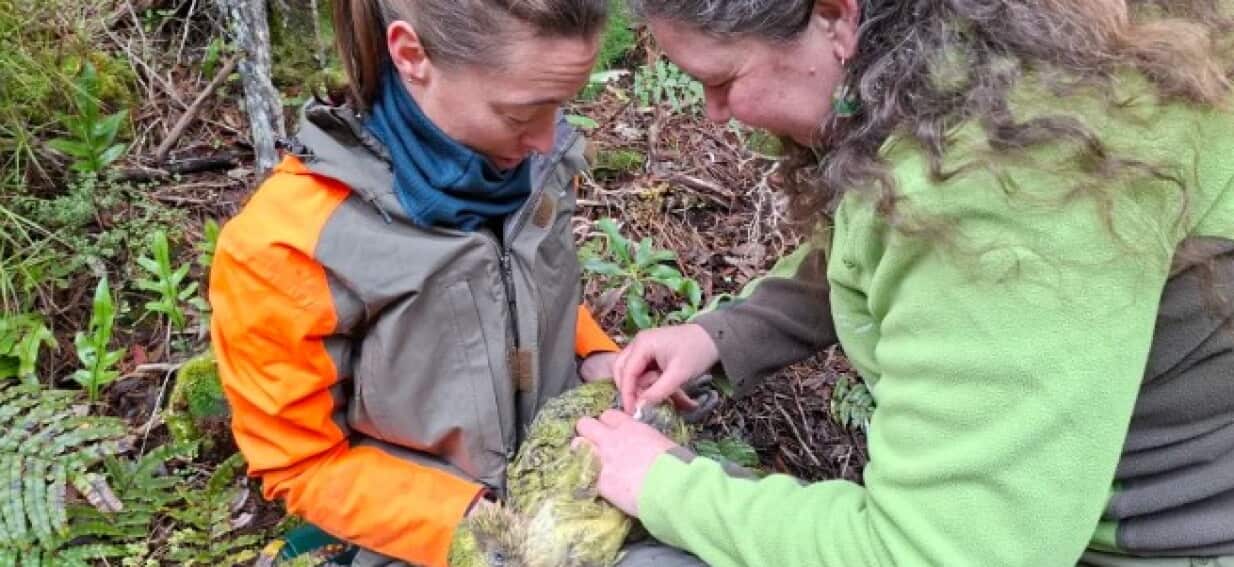
Their strategy includes detailed plans for containment, culling protocols for domestic poultry to prevent spillover into wild populations, and even the development of specific biosecurity measures for high-risk areas. The focus has not solely been on preventing human infection, but heavily weighted towards protecting the nation's biodiversity, including iconic species like the kiwi, kakapo, and kea, which have little to no natural immunity to foreign pathogens. This preparedness also extends to economic considerations, recognising the significant impact an outbreak could have on their poultry industry, worth hundreds of millions of New Zealand Dollars annually.
Australia's Avian Alarms Ring Louder
Meanwhile, closer to home, Australian wildlife rescuers and veterinarians are reporting an alarming rise in unexplained bird deaths across various states. While specific outbreaks of HPAI have been identified in commercial poultry farms in Victoria, the broader ecological impact on wild birds remains a significant concern. The current situation underscores the urgent need for a unified and robust national response plan tailored to Australia's vast and diverse ecosystems. Without such a framework, the potential for widespread ecological damage and economic fallout from a major HPAI incursion is substantial.
Conservation groups in Australia have long advocated for increased funding and resources for wildlife disease surveillance and emergency response. The current mass mortalities serve as a stark reminder of the vulnerabilities in our existing systems. Experts point to the interconnectedness of migratory bird pathways, which could easily introduce new strains of the virus, making rapid detection and containment paramount.
Safeguarding Unique Wildlife and Economy
The economic implications of an HPAI outbreak extend far beyond the direct losses in poultry farming. The tourism industry, particularly wildlife tourism, which contributes billions of Australian Dollars to the national economy, could suffer immense damage. Imagine the impact on bird-watching tours, national park visits, and even the perception of Australia as a pristine natural environment if widespread avian deaths become a common sight.
New Zealand's foresight in conducting detailed impact assessments, understanding the vulnerabilities of specific species, and developing targeted interventions offers a valuable blueprint. While Australia has implemented biosecurity measures at its borders, the current events highlight the importance of internal preparedness and a coordinated, multi-agency approach that effectively bridges the gap between agricultural biosecurity and wildlife conservation.
As the continent grapples with these unexplained bird deaths, the strategies employed by New Zealand provide a compelling case study for proactive pandemic preparedness. The financial and ecological costs of inaction far outweigh the investment required to protect Australia's irreplaceable avian biodiversity and the industries that rely upon it.