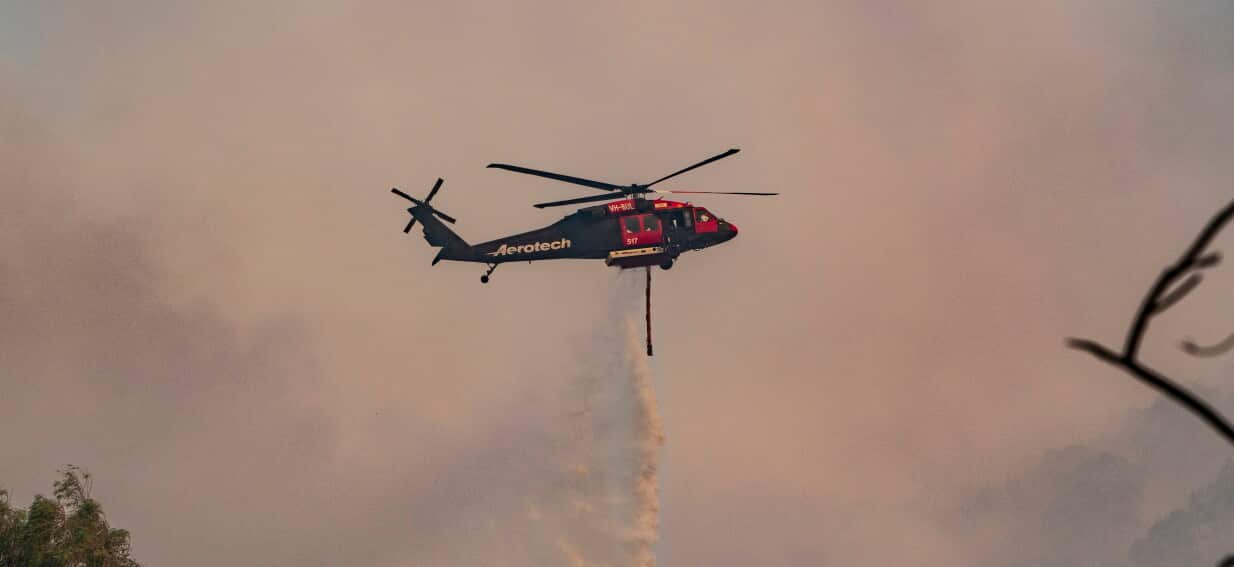
Australia's frontline defence against devastating bushfires, particularly its fleet of water-bombing aircraft and specialist personnel, may no longer be a guarantee as global competition for these vital resources intensifies. Experts are sounding the alarm, suggesting the nation could face significant hurdles in securing essential firefighting assets in the years to come, a warning echoed by officials acknowledging future "challenges" in this critical area.
For decades, Australia has leaned heavily on a mix of domestic and internationally sourced aircraft to combat its increasingly severe bushfire seasons. These aerial assets, ranging from large air tankers to smaller reconnaissance planes, are indispensable for rapid response, containment, and protecting communities. However, a confluence of factors, including climate change-driven increases in wildfire activity globally and a finite supply of specialised equipment and skilled crews, is set to disrupt this established model.
Global Heating Fuels Demand Surge
Climate change is no longer a distant threat; its impact is being felt across the globe through more frequent and intense wildfire events. From the searing heatwaves gripping Europe to the sprawling infernos in North America, nations are increasingly battling their own bushfire crises. This escalating global demand inevitably places immense pressure on the limited pool of aerial firefighting resources, including both aircraft and the highly trained pilots and ground crews required to operate them effectively.
SBS News Top Stories recently highlighted that this burgeoning global need means Australia, historically a significant player in the international firefighting market, may find itself in fierce competition for these assets. The traditional model of securing supplementary aircraft from the Northern Hemisphere during its off-season – and vice versa – is becoming strained as both hemispheres experience prolonged and overlapping fire seasons.
Ageing Fleet and Procurement Pressures
Adding to the complexity is the age and availability of specialised firefighting aircraft. Many of the large air tankers currently in operation globally are converted military or commercial planes, and their lifespans are not indefinite. Replacing these sophisticated machines is a costly and time-consuming endeavour, involving significant lead times for manufacturing and customisation. The cost of leasing a large air tanker can run into millions of Australian dollars per season, a figure that is only likely to escalate with increased demand.
Furthermore, the specialised nature of aerial firefighting demands not just the equipment but also highly trained personnel. Pilots with experience in low-level flying, fire behaviour, and operating in challenging conditions are a finite resource. As more countries seek to bolster their aerial firefighting capabilities, the competition for these skilled individuals will intensify, potentially driving up costs and creating staffing shortages.
Acknowledging Future Hurdles
While specific details remain under wraps, officials have publicly acknowledged that Australia faces "challenges" in maintaining its current level of access to international firefighting resources. This candid admission suggests that government agencies are well aware of the impending squeeze. The focus will likely shift towards greater self-sufficiency and strategic partnerships to mitigate these risks.
Potential strategies could include significant long-term investments in acquiring and maintaining a larger national fleet of dedicated firefighting aircraft, fostering domestic training programs for pilots and crews, and exploring innovative technologies for fire detection and suppression. However, these solutions are neither swift nor inexpensive, requiring substantial government commitment and foresight.
Strategic Rethink for Bushfire Preparedness
The warning from experts underscores the urgent need for a strategic reassessment of Australia's long-term bushfire preparedness. While the immediate focus rightly remains on the upcoming fire season, the broader picture points to a future where Australia cannot simply assume the ready availability of global aerial assets. A comprehensive national strategy, encompassing not only aerial resources but also ground-based firefighting capabilities, community resilience, and sustained investment in research and development, will be paramount to safeguarding the nation against the intensifying threat of bushfires. The days of guaranteed access to vital international firefighting support may indeed be drawing to a close, demanding a robust and independent approach to national security against natural disasters.