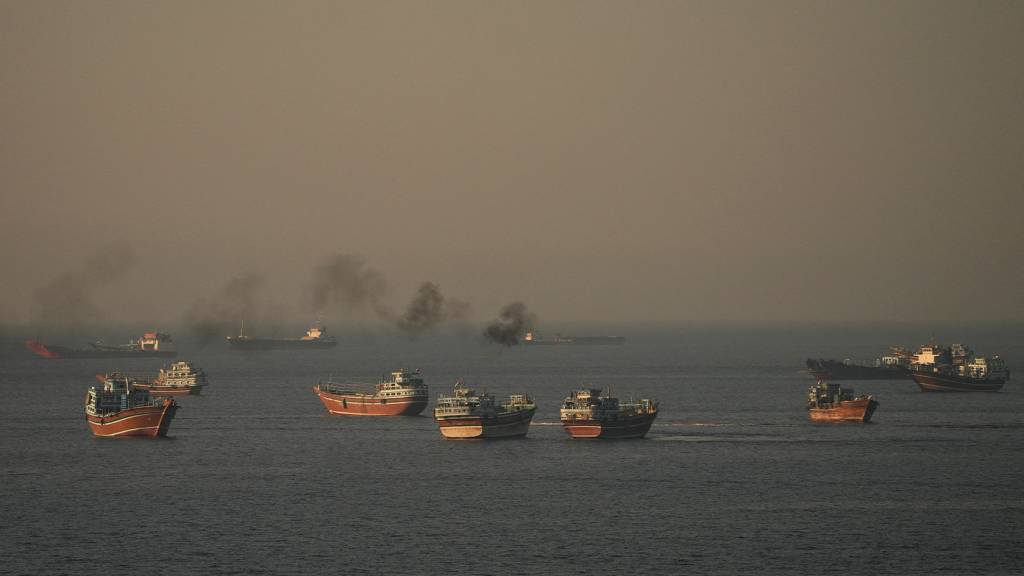
Australia is quietly reaping an unprecedented economic harvest from global instability, with heightened tensions in the Middle East and strategic chokepoint risks in the Strait of Hormuz driving a surge in international coal demand. This unforeseen geopolitical perfect storm has translated into billions of dollars flowing into the federal budget, a fiscal silver lining amidst a world grappling with uncertainty.
While the federal government remains largely silent on the specifics, the financial implications are significant. Resource analysts estimate that the spike in coal prices – a direct consequence of disruptions to natural gas and oil supplies from the Middle East – has added an estimated $8 billion to Australia’s export receipts in recent months. This unexpected revenue boost comes at a critical time, potentially easing pressure on the national budget and offering a buffer against domestic economic headwinds.
The Unintended Beneficiary: Global Energy Crunch Fuels Australian Exports
The ongoing conflict in the Middle East, particularly its reverberations across key shipping lanes, has sent shockwaves through global energy markets. With increased risks to oil and liquefied natural gas (LNG) tankers transiting the Strait of Hormuz – a vital passage for a significant portion of the world's energy supply – many nations are seeking more secure, albeit less environmentally friendly, alternatives. This shift has placed an unexpected premium on thermal coal, with countries traditionally reliant on Middle Eastern energy sources now turning to Australia to fill the void. This dramatic shift highlights the intricate and often paradoxical connections between geopolitics and commodity markets.
Crikey reported that this burgeoning demand is a direct result of energy security concerns overriding climate ambitions in several key importing nations. The sheer scale of the disruption in the Middle East has forced a pragmatic, albeit temporary, return to coal as a reliable, albeit carbon-intensive, baseload power source. Australia, as one of the world's largest coal exporters, finds itself in an awkward yet highly profitable position, navigating the ethical dilemmas of profiting from a global crisis while simultaneously pursuing ambitious decarbonisation goals.
A Double-Edged Sword: Fiscal Gain vs. Climate Credentials
While the immediate financial benefits for Australia are undeniable, this coal-fueled windfall presents a profound ethical and reputational challenge on the international stage. As a signatory to the Paris Agreement and a nation committed to reducing its carbon emissions, profiting handsomely from surging demand for the very fossil fuel it aims to phase out creates a perceived hypocrisy. Critics argue that this lucrative, albeit temporary, surge in coal exports undermines Australia’s credibility as a genuine climate actor, potentially weakening its bargaining position in global climate negotiations.
Environmental groups have been quick to highlight the contradiction, asserting that every tonne of coal exported, regardless of the geopolitical circumstances, contributes to global warming. They argue that the government should be using this unexpected revenue to accelerate the transition to renewable energy and support communities impacted by climate change, rather than viewing it as a long-term economic strategy. This dilemma underscores the complex balancing act between immediate economic imperatives and future environmental responsibilities.
Navigating the Ethical Energy Export Landscape
The unexpected bonanza forces Australia to confront fundamental questions about its energy future and its role in a decarbonising world. While the current global energy crisis presents a compelling short-term argument for maintaining coal exports, the long-term trajectory is clear: a global shift away from fossil fuels. The substantial revenue generated from this crisis could, theoretically, be strategically reinvested into bolstering Australia's renewable energy sector, accelerating the development of green hydrogen, and positioning the nation as a leader in clean energy technology.
However, the temptation to rely on historically profitable industries, especially when buoyed by unforeseen external factors, remains strong. The federal government faces the delicate task of articulating a clear strategy that leverages this temporary economic windfall without entrenching a reliance on fossil fuels. This means transparently acknowledging the revenue, but critically, outlining how these funds will be used to accelerate the clean energy transition, rather than delaying it. The coming months will test Australia's resolve to align its economic prosperity with its stated climate ambitions.