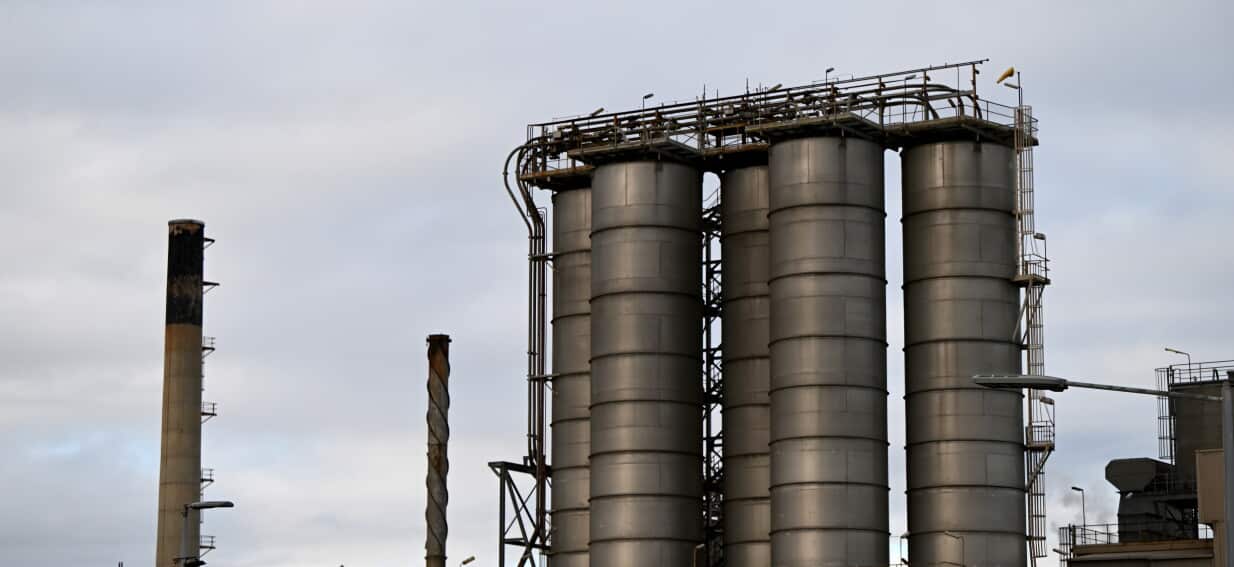
Australia’s fuel security has entered the national spotlight following Prime Minister Anthony Albanese's bold suggestion of a third domestic oil refinery. The proposal, made in response to mounting global uncertainties and the nation’s considerable reliance on imported petroleum, raises critical questions about economic feasibility and strategic necessity.
With only two operational refineries – Viva Energy in Geelong, Victoria, and Ampol in Lytton, Queensland – Australia processes a mere fraction of its fuel needs. The COVID-19 pandemic and the war in Ukraine have starkly exposed the vulnerabilities of global supply chains, prompting a renewed focus on domestic capabilities. While the concept of bolstering local production resonates with nationalistic sentiment, expert analysis, as reported by SBS News Top Stories, suggests a new refinery would present significant challenges, including monumental costs and a potentially limited immediate impact on local prices.
The Price Tag of Self-Sufficiency
Building a modern, world-class oil refinery is not for the faint of heart – or budget. Industry estimates suggest a new facility would likely require an investment soaring into the tens of billions of Australian dollars. This colossal outlay would cover everything from land acquisition and construction to the highly specialised equipment and advanced environmental controls mandated by Australian regulations. Critics argue that such an investment would struggle to compete with established, larger refineries in Asia, which benefit from economies of scale and often lower operating costs. The immense capital expenditure would inevitably translate into higher production costs for Australian-refined fuel, potentially negating the very economic benefits it aims to secure.
Furthermore, the long lead times inherent in such a project—potentially a decade or more from conception to operation—mean any new refinery would not be an immediate panacea for current fuel anxieties. The global energy transition towards renewables also casts a shadow of uncertainty over a multi-decade investment in fossil fuel infrastructure, raising questions about its long-term viability in a decarbonising world.
Geopolitical Tensions and Supply Chain Risks
Australia’s geographic isolation makes it particularly susceptible to disruptions in international shipping lanes and geopolitical instability. A significant portion of the nation's refined fuel arrives from Singapore, South Korea, India, and China. Any major conflict or blockade impacting these crucial maritime routes could severely cripple Australia's transport, industrial, and agricultural sectors. The current geopolitical landscape, marked by tensions in the South China Sea and ongoing conflicts, underscores the very real risks associated with this heavy reliance on imports.
Advocates for a third refinery argue that despite the costs, the strategic imperative of enhanced fuel security outweighs purely economic considerations. The ability to produce more of its own fuel would provide a critical buffer against unforeseen global events and give Australia greater autonomy over its energy future. Moreover, a domestic refinery could offer benefits beyond just fuel production, potentially stimulating local manufacturing and creating thousands of jobs during construction and operation.
Beyond Refineries: The Blended Approach to Security
While a new refinery offers one path to enhanced fuel security, it is not the only option. Australia already maintains strategic fuel reserves, a buffer that could be expanded. Other strategies include diversifying import sources, investing in alternative fuel technologies, and improving the efficiency of existing supply chains. The government has previously implemented grants and incentives to support the existing refineries, recognising their strategic value.
An SBS News Top Stories report highlighted that a holistic approach to fuel security might involve a blend of these strategies rather than exclusive reliance on a single, expensive solution. This could include further investment in biofuel production, accelerating the uptake of electric vehicles to reduce demand for fossil fuels, and bolstering regional storage capacity. The debate surrounding a third refinery is therefore not just about bricks and mortar; it is a complex examination of Australia's long-term energy strategy, weighing immediate economic costs against the broader benefits of national resilience and independence in an increasingly unpredictable world.