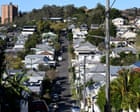
Australia's property market is facing a notable contraction, with recent data revealing a nationwide decline in median home prices, now sitting approximately $19,000 below their March peak. This downturn, initially concentrated in Sydney and Melbourne, is now extending its reach to previously robust markets like Brisbane, Adelaide, and Perth, according to fresh analysis from property analytics firm Cotality.
While the national median has seen a considerable drop, the specifics vary across the capitals. Sydney and Melbourne continue to bear the brunt of the downturn, yet the recent Cotality figures, released on Monday, indicate a broader softening across the country since May. This widespread adjustment signals a more profound shift in market dynamics than previously observed, prompting analysts to reassess their forecasts for the remainder of the year.
Geopolitical Ripples Reach Our Shores
One of the primary catalysts identified for this market correction is the escalating conflict in the Middle East. The Guardian Australia reported that global geopolitical instability is creating a climate of uncertainty, directly impacting investor confidence and consumer sentiment in Australia. Rising oil prices, supply chain disruptions, and the broader specter of international conflict tend to make potential homebuyers and investors more cautious, leading to a pull-back in market activity. This external pressure, coupled with existing domestic economic factors, creates a powerful headwind for property values.
Tax Reform Bites Deeper Than Expected
Compounding the effects of international tensions are recent changes to Australia's taxation landscape. While specific reforms were not detailed in the summary, general shifts in capital gains tax, negative gearing adjustments, or even discussions around land taxes can significantly alter the investment appeal of property. Such policy changes often lead investors to re-evaluate their portfolios, and in some cases, prompt them to sell, adding to market supply and exerting downward pressure on prices. The Guardian Australia highlighted that these tax changes are now beginning to 'bite,' suggesting their impact is more pronounced than initially anticipated by some market observers.
The Spreading Chill: Brisbane, Adelaide, Perth Join the Slide
For months, capital cities like Brisbane, Adelaide, and Perth had largely defied the downturn gripping the eastern seaboard's larger markets. However, Cotality's latest data confirms that this resilience has waned. All three cities have now recorded declines in house prices, signifying that the market correction is truly a national phenomenon. While the percentage drops in these cities may not be as steep as those seen in Sydney or Melbourne, their inclusion in the negative trend is a crucial indicator of the market's broadening weakness. This development will be of particular concern to homeowners and investors in these previously insulated markets.
What Lies Ahead for the Australian Property Market?
The confluence of international conflict and domestic tax policy shifts presents a complex outlook for the Australian property market. While some analysts anticipate a stabilisation as these factors become priced in, others foresee a more protracted period of adjustment. The Reserve Bank of Australia's future interest rate decisions will also play a critical role in shaping market trajectory. For now, the latest data from Cotality suggests that the era of relentless growth has firmly paused, replaced by a cautious retreat across the nation's housing landscape.