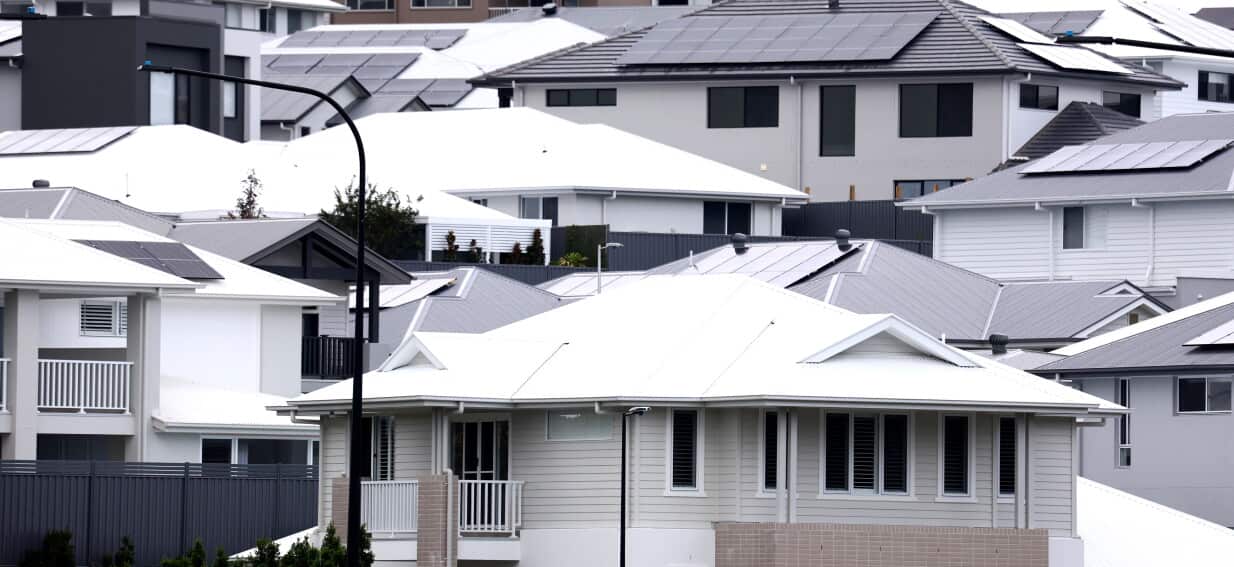
Australia's property market has entered a significant downturn, with national home prices recording their steepest monthly decline since 2022. The sharp correction, detailed by SBS News Top Stories, highlights a growing concern for homeowners and investors as the once-booming market loses momentum.
Leading the charge downwards are the nation's two largest cities, Sydney and Melbourne, which have consistently been bellwethers for the broader Australian housing market. Their accelerated declines are setting a worrying precedent for other capital cities and regional areas, signalling a widespread shift in market dynamics.
Capital Cities Feel the Brunt
The latest data reveals a substantial retreat in property values across major metropolitan areas. Sydney, long considered one of the world's most expensive housing markets, is experiencing particular pressure, with prices falling at an accelerated rate. This comes after years of unprecedented growth, fuelled by low interest rates and strong demand. Melbourne, not far behind, is also grappling with significant price adjustments, challenging the long-held belief of an ever-appreciating asset class in these urban centres. The downturn in these key markets is attributed to a confluence of factors, including successive interest rate hikes, tightening lending conditions, and a general cooling of buyer sentiment. Prospective homeowners are facing higher borrowing costs, while investors are becoming more cautious, leading to reduced competition and a greater supply of properties on the market.
Beyond the Big Smoke: Regional Ripple Effect
While Sydney and Melbourne are leading the current decline, the impact is not confined to these urban hubs. Regional housing markets, which experienced a pandemic-induced boom as city dwellers sought tree-change and sea-change lifestyles, are now beginning to feel the ripple effect. While some regional areas may still be showing resilience, the broader trend suggests that the national downturn will inevitably extend beyond the capital cities. Experts are watching these regional markets closely, as their performance will be a key indicator of the overall health and breadth of the property correction. The sustainability of regional price growth, often underpinned by a surge in demand that may now be waning, is being questioned.
Economic Headwinds and Future Outlook
The current housing market correction is occurring amidst broader economic headwinds. Inflationary pressures, coupled with the Reserve Bank of Australia's commitment to taming rising costs, are creating a challenging environment for the property sector. Further interest rate increases, if they occur, are likely to exert additional downward pressure on home prices. Analysts are predicting a sustained period of price moderation, with some suggesting that the current declines could deepen before any stabilisation occurs. The speed and severity of this downturn will largely depend on future monetary policy decisions, global economic conditions, and consumer confidence. The market is transitioning from a period of rapid growth to one of consolidation, which may offer opportunities for some buyers but presents challenges for those looking to sell.
What This Means for Homeowners and Buyers
For current homeowners, particularly those who purchased at the peak of the market, the falling prices represent a reduction in their equity. This could impact their ability to refinance or use their home as collateral for other loans. First-time buyers, however, might see this as a potential window of opportunity, as reduced competition and lower prices could make homeownership more attainable, albeit with higher mortgage repayments. The advice from financial experts is to approach the market with caution, conduct thorough due diligence, and ensure financial stability before making significant property decisions. The coming months will be crucial in determining the trajectory of Australia's housing market, as the nation grapples with this significant economic shift.