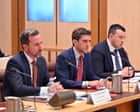
Canberra — Australia’s leading betting companies, Sportsbet and Tabcorp, have vehemently denied explosive allegations they provided VIP clients with illicit drugs and sex workers to encourage greater wagering, as a parliamentary inquiry heard shocking claims from anti-gambling campaigners.
The accusations, made by prominent anti-gambling advocates Reverend Tim Costello and former Canberra Raiders star Luke Bateman, surfaced during a parliamentary hearing examining Labor's proposed legislation to restrict gambling advertising. The inquiry, a focal point for the contentious issue of gambling regulation, has now been thrust into an even more intense spotlight by these sensational claims.
Explosive Claims Rock Parliament
Reverend Costello, a long-standing critic of the gambling industry, and Mr. Bateman, who has spoken openly about his own struggles with gambling, presented deeply troubling accounts to the parliamentary committee. They alleged that individuals struggling with gambling addiction were supplied with cocaine, alcohol, and sex workers by account managers, suggesting a deliberate strategy by betting companies to exploit vulnerable people for profit. The campaigners asserted that these firms demonstrated a complete dereliction of their duty of care towards their customers.
Speaking before the inquiry, the anti-gambling advocates detailed instances where, they claimed, problem gamblers were offered these inducements, painting a grim picture of an industry allegedly prioritising revenue over welfare. Guardian Australian politics reported on these claims, highlighting the seriousness of the accusations and the immediate response they provoked from industry heavyweights.
Industry Giants Deny Allegations
In swift and emphatic responses, both Sportsbet and Tabcorp categorically rejected the allegations. A spokesperson for Sportsbet stated there was “no evidence to substantiate” such claims, calling for any information to be immediately provided to regulatory authorities for investigation. Similarly, Tabcorp released a statement denying the accusations, underscoring their commitment to responsible gambling practices and urging anyone with concrete evidence to come forward.
Both companies emphasised their existing robust frameworks for responsible gambling, including self-exclusion programs and limits on deposits. They pointed to significant investments in technology and staff training aimed at identifying and assisting customers who may be experiencing gambling harm. The firms reiterated their stance that such practices would be in direct violation of their ethical standards and regulatory obligations.
Calls for Regulatory Scrutiny Intensify
Following the parliamentary hearing, calls for heightened scrutiny from gambling regulators have intensified. Consumer advocates and public health bodies have joined the anti-gambling campaigners in demanding thorough investigations into the allegations. They argue that if even a fraction of these claims prove true, it would expose a deeply disturbing underbelly of the Australian gambling industry.
The Australian Communications and Media Authority (ACMA) and state-based gambling regulators are now under immense pressure to respond decisively. While regulatory bodies typically operate with a degree of independence, the public nature of these allegations and their presentation before a federal parliamentary committee mean they cannot be easily dismissed. The incident is likely to fuel further debate on the efficacy of current regulatory frameworks and the need for stronger enforcement powers.
Broader Implications for Advertising Curb
The timing of these allegations is particularly significant, as they surface during a critical inquiry into proposed legislation to curb gambling advertising. The government’s push to restrict advertising, driven by concerns over the pervasive nature of betting promotions and their impact on public health, now gains additional weight. The claims of exploiting vulnerable individuals with illicit substances and services are likely to galvanise support for stricter controls on an industry already facing significant public backlash.
Should any of these claims be substantiated, the long-term ramifications for the betting industry in Australia could be profound, potentially leading to a complete overhaul of licensing conditions and a re-evaluation of how VIP programs are managed. The debate has moved beyond mere advertising, touching upon fundamental questions of corporate responsibility and ethical conduct within one of Australia's most lucrative and controversial sectors.