
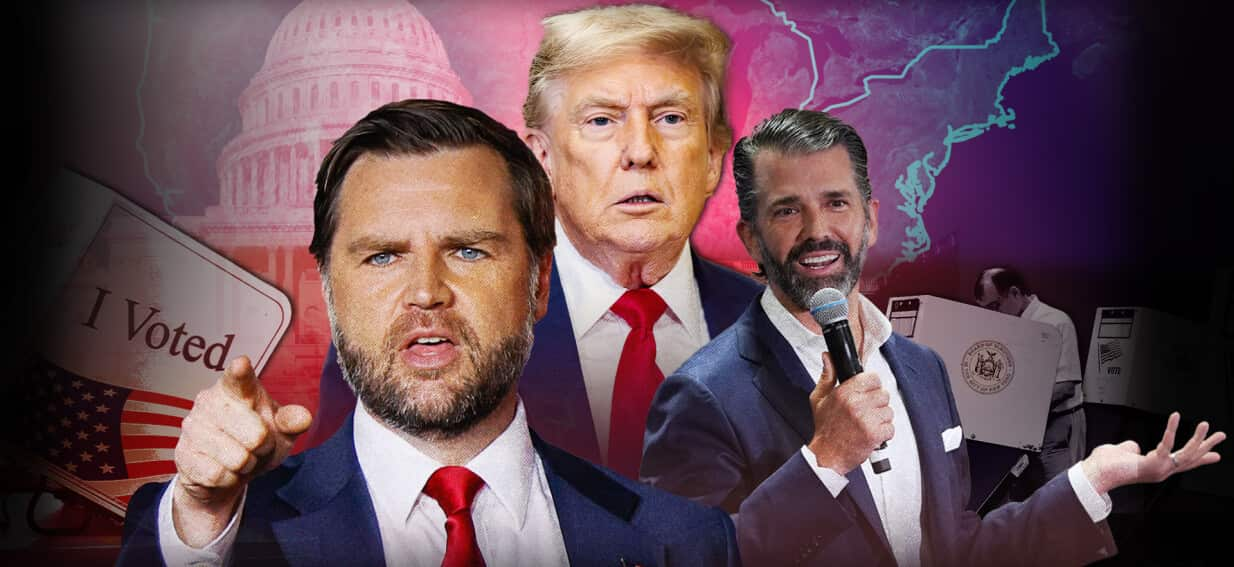
As millions of Americans head to the polls, the Republican Party faces an existential question that extends far beyond the ballot box: what does modern conservatism look like once Donald Trump departs the stage?
While the immediate objective remains securing control of Capitol Hill, SBS News Top Stories reported that the current electoral contest may offer crucial indicators regarding the future trajectory of the Grand Old Party. For nearly a decade, the party apparatus has been remade in the former president’s image, sidelining traditional neoconservatives and free-market purists in favour of an assertive, nationalist populist agenda.
Testing the durability of the MAGA doctrine
The voting patterns unfolding across competitive districts are widely viewed by party strategists as a referendum on the sustainability of "Make America Great Again" politics without its primary architect at the top of the ticket. Throughout the campaign cycle, candidates aligned with Trump’s rhetoric sought to mobilise disaffected working-class voters by leaning into trade protectionism, border security, and sharp cultural grievances.
Yet party moderates remain uneasy. Behind closed doors, there is mounting concern that an over-reliance on grievance politics alienates college-educated suburban voters—a demographic that once formed the bedrock of Republican majorities in key swing states. Whether Trumpism can maintain its electoral potency as an enduring philosophy rather than a cult of personality remains fiercely contested.
The shadow cast over congressional corridors
Inside Washington, the factional divisions threaten to complicate governing. If Republicans secure majorities, party leadership will confront an emboldened populist flank demanding aggressive oversight, fiscal confrontations, and an overhaul of federal agencies.
SBS News Top Stories highlighted that these dynamics are forcing senior party figures to weigh short-term electoral dividends against the long-term institutional coherence of the party. The friction between pragmatic legislators aiming for conventional regulatory relief and insurgent members pursuing ideological disruption promises to paralyse legislative agendas, regardless of numerical margins in Congress.
Strategic calculations for Australia and global allies
For policymakers in Canberra, the ideological contest within the GOP carries profound consequences. The shift away from historical internationalism towards an isolationist "America First" posture threatens to upend established alliances in the Indo-Pacific.
Australia’s multi-billion-dollar defence engagements, including the AUKUS security pact valued at up to $368 billion, rely heavily on sustained bipartisan commitment in Washington. A Republican Party increasingly dominated by nativist instincts poses questions about future defence commitments, tariff regimes, and diplomatic engagement across our region.
An ideological succession without a clear heir
Ultimately, the ballot box offers only partial answers to a broader leadership vacuum. Even as rising figures within the party attempt to mimic Trump's combative style, few have demonstrated his singular ability to command the undivided loyalty of the grassroots base.
The broader conservative movement now sits at a crossroad. As votes are counted, the party must decide whether to institutionalise Trump’s populist disruption or gradually pivot back toward a traditional conservative coalition that can command broad majorities across an increasingly polarised nation.

