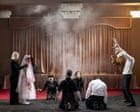
Sydney audiences are currently being drawn into the harrowing world of ancient Greek tragedy with the Sydney Chamber Opera and Carriageworks’ audacious production of The Oresteia. Liza Lim’s operatic adaptation of Aeschylus’s legendary revenge cycle is not for the faint of heart, promising an experience as intellectually stimulating as it is physically demanding for its performers.
A Symphony of Sacrificial Strains
At the heart of this production are six singers who, according to The Guardian Australia, put not only their vocal cords but their very bodies on the line. This physically assertive approach underscores the visceral themes of ambition, desire, sacrifice, death, vengeance, violence, justice, and regeneration that pulsate through Aeschylus's original work. Lim's operatic take presents an aurally challenging score, pushing both performers and listeners to confront the raw, untamed emotions embedded in the narrative. The relentless cycle of retribution, a hallmark of Greek drama, is vividly brought to life, ensuring a performance that is both exhilaratingly wild and profoundly unsettling.
Greek Drama's Resurgence on the Global Stage
There's an undeniable global fascination with ancient Greek narratives, a trend Sydney is keenly embracing. The Guardian Australia noted the ubiquity of Greek-inspired works, from Christopher Nolan’s The Odyssey to Robert Icke’s Oedipus making waves on Broadway after a successful UK run. Simon Stone’s The Oresteia also recently opened in London, highlighting a widespread appetite for these foundational tales. Closer to home, David Wenham captivated audiences last month in an intimate performance of An Iliad at the Sydney Theatre Company. This current production of The Oresteia at Carriageworks solidifies Sydney's place in this broader cultural resurgence, proving the timeless resonance of these epic stories of power, fate, and human struggle.
Modern Rhythms, Ancient Echoes
Liza Lim’s composition for The Oresteia is far from a traditional opera. It’s an immersive soundscape that amplifies the psychological and physical torment of the characters. Reviewers have highlighted the opera's ability to be both disturbing and utterly compelling, using unconventional vocal techniques and instrumental textures to create an atmosphere of unsettling beauty. The production eschews conventional operatic grandeur for a more raw, immediate impact, drawing the audience into the brutal realities of the House of Atreus. The innovative staging and the intense commitment of the performers ensure that Aeschylus's ancient words feel urgently contemporary, echoing the complexities of justice and retribution that continue to challenge societies today.
Beyond the Bloodshed: Seeking Regeneration
While the opera vividly portrays the blood-soaked cycle of vengeance, it ultimately grapples with the concept of justice and the elusive promise of regeneration. The Oresteia, in Aeschylus's original form, culminates in the establishment of the Athenian justice system, aiming to break the endless chain of eye-for-an-eye retribution. Lim’s opera, through its challenging score and confronting performances, explores this crucial shift. It asks whether true justice can ever be achieved without further violence, and if healing is possible after such profound trauma. This exploration makes the production not just a recounting of ancient myth, but a poignant reflection on enduring human dilemmas.