
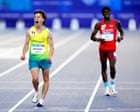
Australian medal hopes for the Brisbane 2032 Olympic Games face an unexpected threat as international sporting bodies rush to overhaul traditional disciplines to avoid being culled by the International Olympic Committee.
With closed-door deliberations now under way in Switzerland to reshape the Olympic program, sports that have long formed the bedrock of the quadrennial spectacle are under intense scrutiny alongside newer additions, Guardian Australia Sport reported.
Podium Hopes in the Firing Line
The review comes at an awkward juncture for Australian high-performance programs, which have channelled significant investment into emerging talents tailored for a home Games. Teen sensation Isaac Beacroft, who secured gold in race walking at the Commonwealth level, has emerged as a premier prospect for the 2032 podium. Yet his event is among those whose long-term inclusion remains uncertain.
Guardian Australia Sport reported that the International Olympic Committee is weighing cuts to several events where Australia enjoys distinct competitive advantages, including surfing, skateboarding and sport climbing. While these urban and action sports were introduced in recent cycles to lure younger television viewers, their permanent status on the program remains far from guaranteed as administrators balance athlete quotas against broadcasting revenues.
Radical Overhauls from Sensors to Ninja Courses
Faced with the prospect of elimination, global governing bodies are adopting drastic measures to modernise their formats. Athletics officials have investigated incorporating microchip technology into athletes' footwear to automate officiating in race walking, aiming to resolve perpetual controversies surrounding contact with the ground and make the discipline more palatable to television networks.
Other sports have embraced even more radical revisions. Modern pentathlon has already abandoned equestrian show jumping, replacing the historic discipline with television-friendly, ninja-style obstacle course racing in a bid to safeguard its Olympic survival. Governing bodies across the board are acutely aware that failure to entertain modern audiences risks outright removal.
Secret Swiss Deliberations Threaten Athlete Quotas
The overarching pressure stems from the IOC's stringent cap on total competitors, typically restricted to approximately 10,500 athletes across all sports. With host nations demanding the inclusion of bespoke local sports, legacy federations must continually justify their presence or sacrifice medal events to free up quota allocations.
In Lausanne, committee delegates are assessing sports against strict commercial metrics: digital engagement, youth demographic penetration, and the infrastructure costs required of host venues. The drive for a compact, telegenic sporting schedule has left traditional events vulnerable to replacement by fast-paced alternatives.
Brisbane's Golden Window Under Pressure
For Australian Olympic authorities, any contraction of the program creates complications for long-range strategic planning. High-performance funding allocations rely heavily on the predictability of the Olympic roster, with millions of dollars in taxpayer funding committed to athlete development pipelines years in advance.
Should disciplines such as race walking or specific action sports be reduced or excised entirely, the nation's targeted medal haul on home soil could suffer a material blow before infrastructure construction even nears completion.


