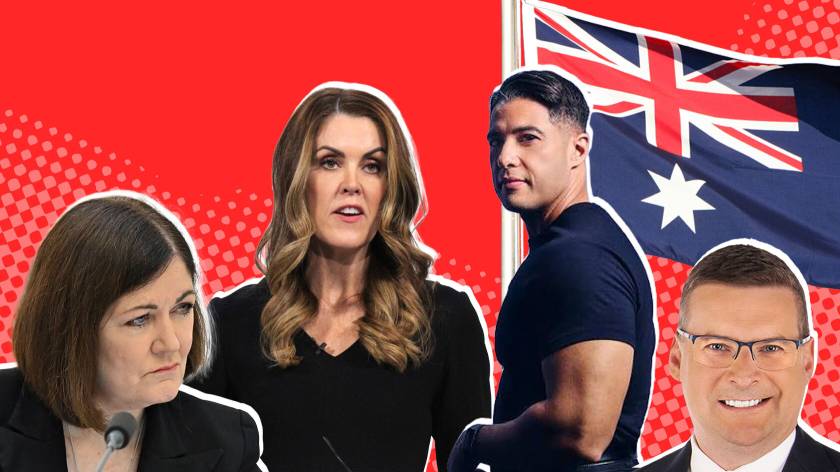
Federal parliamentarians have largely snubbed a national civility pledge championing honesty and respect in public life, exposing persistent cultural resistance to reforming Australia's notoriously toxic political arena, independent reporting has revealed.
According to an investigation by independent outlet Crikey, a significant proportion of sitting members of parliament and senators have deliberately side-stepped or ignored formal calls to commit to baseline standards of honesty, respect and compassion during parliamentary debate and public campaigning.
Haines leads push for ethical standards
The initiative, spearheaded by Indi independent MP Helen Haines, was designed as an unambiguous compact to restore public faith in the national legislature. Under the voluntary framework, signatories promise to eschew personal denigration, refrain from circulating demonstrably false claims, and engage in good-faith democratic discourse.
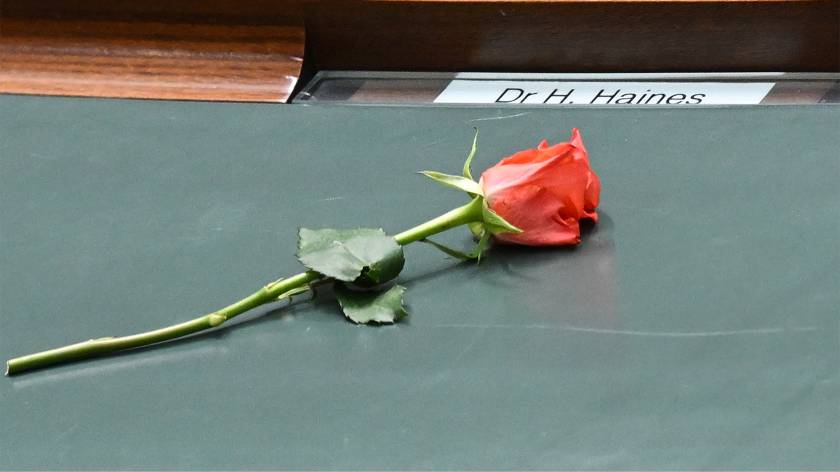
Dr Haines, who has maintained an enduring legislative focus on institutional integrity and federal anti-corruption machinery since entering parliament in 2019, was the first lawmaker to commit her signature to the compact. Yet the widespread failure of her parliamentary colleagues to follow suit has drawn sharp scrutiny to Canberra's entrenched adversarial instincts.
Reluctance across the major party divide
Crikey reported that hesitation to endorse the compact spans the conventional political divide, with both major parties showing little collective appetite for binding themselves to a subjective framework of behaviour. While individual backbenchers and crossbench figures have occasionally expressed personal support for cleaner political debate, party whips and leadership teams have typically viewed such compacts with institutional cynicism.
Behind closed doors, strategists often argue that formal pledges create rhetorical hostages to fortune, providing political opponents with weaponised avenues to claim ethical breaches during the heat of parliamentary contest or electoral battle. Critics, however, contend that such reluctance simply illustrates a profound disconnect between the values voters expect and the combative realities politicians prioritise.
The lingering shadow of parliamentary toxicity
The subdued response to the civility framework comes against a fraught backdrop in federal politics, where the culture inside Parliament House remains under intense community scrutiny. The landmark Set the Standard report by former Sex Discrimination Commissioner Kate Jenkins previously documented an institution plagued by bullying, harassment, and hyper-partisan hostility.
While parliament has made piecemeal progress on establishing the Independent Parliamentary Standards Commission to enforce statutory codes of conduct, voluntary moral declarations continue to be treated with ambivalence. Observers note that without structural consequences, commitments to decency tend to dissolve under electoral pressures.
Electoral pressure tests reform appetite
With the federal political cycle grinding steadily toward the next general poll, the absence of broad parliamentary consensus around basic civility suggests that upcoming campaigns will remain largely unconstrained by voluntary decorum.
Voter sentiment research consistently tracks historically low levels of trust in elected officials, yet Canberra’s primary combatants remain reluctant to disarm. For now, the civility pledge serves less as a unifying national standard than as a telling measure of precisely how far Australia's political class remains from embracing institutional change.