
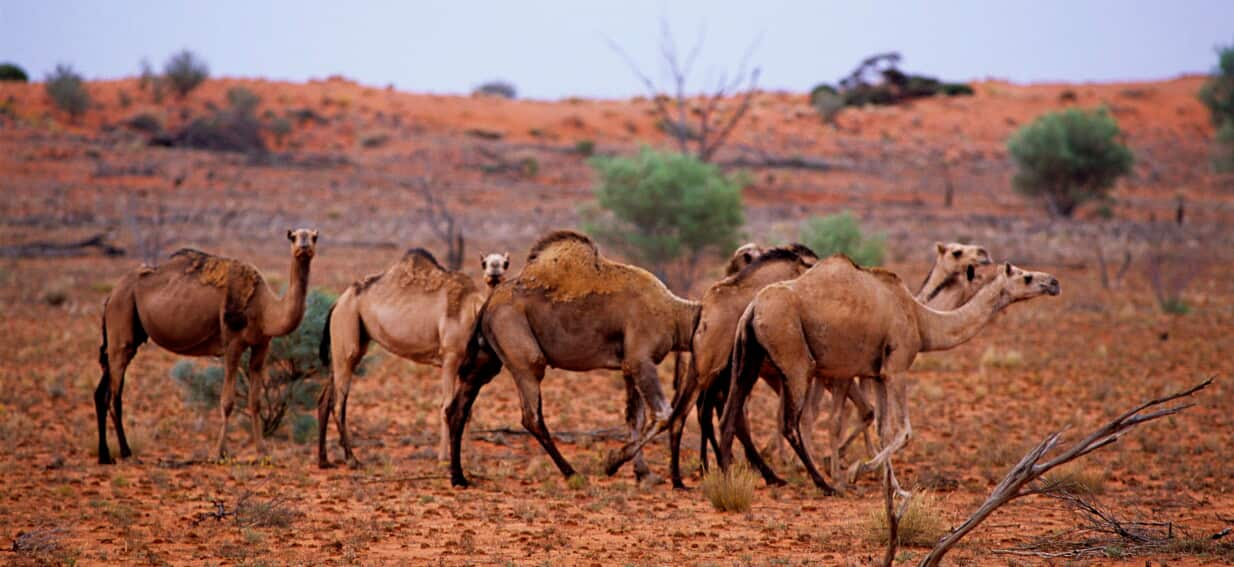
Australia’s determination to eradicate destructive feral beasts has run headlong into an acute global dilemma: several species targeted for widespread culling are now facing extinction in their native overseas habitats.
From the red sands of the outback to the monsoonal wetlands of the Top End, creatures categorised domestically as biosecurity threats represent some of the planet's final robust genetic reservoirs. SBS News Top Stories reported that pastoralists and conservation biologists are increasingly divided over how to manage animals that wreak havoc locally while vanishing internationally.
An Accidental Sanctuary in the Red Centre and Top End
Central to the debate is the dromedary camel, imported during the nineteenth century to open the arid interior before being abandoned with the advent of rail and motor transport. While feral camels foul scarce desert waterholes, destroy fragile vegetation, and impose millions of dollars in management costs annually, wild dromedaries have long been extinct in their native lands across the Middle East and North Africa.
Australia is now home to the world’s only surviving wild-roaming herds. A parallel situation exists in the Northern Territory's Garig Gunak Barlu National Park on the Cobourg Peninsula, where banteng—a species of wild Southeast Asian cattle—have thrived since being introduced from Bali in the 1840s.
In their indigenous habitats across Indonesia, Cambodia, and Malaysia, banteng numbers have collapsed due to relentless poaching, deforestation, and interbreeding with domesticated livestock. Yet in Australia, thousands of genetically pure specimens roam free, coexisting uneasily with national park mandates.
Devastating the Bush While Dwindling in Asia
Various deer species across eastern Australia present a similar challenge. While sambar and Javan rusa deer strip sensitive alpine catchments, ringbark native saplings, and exacerbate soil erosion in New South Wales and Victoria, their native populations throughout Asia have plummeted towards vulnerability and regional extinction.
Federal and state environmental authorities remain legally bound to protect indigenous biodiversity. Land managers point out that non-native ungulates damage delicate ecosystems that evolved without heavy, hooved mammals. Invasive species legislation prioritises the preservation of endemic Australian flora and fauna, meaning feral herds are routinely culled from helicopters or trapped at significant public expense.
The Ethical Clash Between Eradication and Global Obligation
This domestic priority, however, creates an uncomfortable paradox for international conservationists. Australia’s feral management regimes are actively eliminating populations that could theoretically save their species from total global oblivion.
Scientists acknowledge the extreme logistical barriers to resolving the conflict. Trapping and repatriating feral animals to their ancestral ranges involves formidable biosecurity hurdles, astronomical freight costs, and the risk of transmitting novel diseases to remaining wild populations abroad.
Furthermore, reintroducing animals into native ranges where poaching and habitat loss remain unchecked offers little guarantee of survival. As eradication programs accelerate across the continent to protect Australia's own imperilled wildlife, researchers argue that a more coordinated international framework is needed before these unwanted, accidental arks are permanently erased.


