
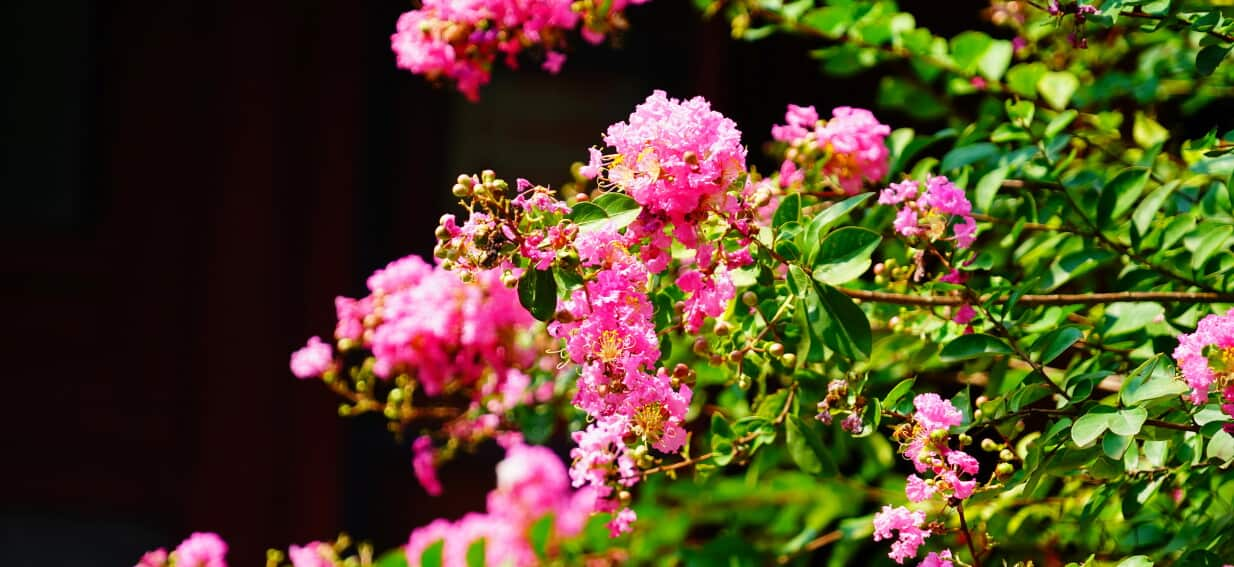
A surprisingly heated horticultural debate is taking root across Australia, with the ubiquitous crepe myrtle, once a celebrated street tree, now finding itself at the centre of a divisive conversation that pits its admirers against a growing chorus of critics.
The Rise of a Floral Favourite
For decades, Lagerstroemia species, commonly known as crepe myrtles, have been a landscape designer's go-to. Their popularity stems from their drought tolerance, vibrant summer floral displays ranging from white and pink to deep purple, and their often striking, peeling bark in winter. Many councils and developers have embraced them for street planting, appreciating their relatively compact size and aesthetic appeal, particularly in new housing estates and urban renewal projects. They're seen as a hardy, low-maintenance option that provides shade and a splash of colour, contributing to 'greening' initiatives in a cost-effective manner. Home gardeners, too, have flocked to nurseries, drawn by their ease of care and ability to thrive in a range of Australian climates, from temperate south to the sub-tropical north.
Why the Love Affair is Wilting for Some
However, a counter-narrative is gaining traction, challenging the crepe myrtle's reign. SBS News Top Stories recently highlighted the burgeoning debate, noting that while some laud their beauty, others are increasingly vocal about their perceived shortcomings. Critics often point to their pruning requirements, particularly the practice of 'crepe murder' – the severe heading back of branches that leaves unsightly stubs and can weaken the tree. While proponents argue correct pruning enhances flowering, opponents decry the practice as disfiguring. Further concerns include their 'messiness' due to dropped petals and seed pods, and a perceived lack of biodiversity support compared to native species. For some, their sheer prevalence has also led to a sense of horticultural monotony, reducing the unique character of Australian streetscapes.
Native Alternatives and Urban Planning
The discussion around crepe myrtles often broadens into a wider conversation about appropriate urban tree selection. Environmental groups and a segment of the public advocate for a greater focus on native Australian trees and shrubs, which are naturally adapted to local conditions, require less water once established, and provide crucial habitat and food sources for native wildlife. They argue that while crepe myrtles are hardy, they don't offer the same ecological benefits. Urban planners face the complex challenge of balancing aesthetic appeal, maintenance costs, biodiversity, and community preferences. The cost of planting and maintaining urban trees, often running into hundreds or even thousands of dollars per tree over its lifespan, makes the initial selection a significant decision for local councils grappling with tight budgets. The 'right fit' is rarely simple, requiring consideration of soil type, available space, infrastructure, and future climate resilience.
Finding the Middle Ground
The debate is unlikely to result in a wholesale removal of crepe myrtles from Australia's streets, but it is prompting a re-evaluation of planting strategies. Many experts suggest a more diverse approach to urban forestry, incorporating a mix of both well-suited exotic species and an increased proportion of native plants. This 'right tree, right place' philosophy aims to leverage the best attributes of various species while mitigating potential drawbacks. Ultimately, the question for councils and communities is not whether crepe myrtles are inherently 'good' or 'bad', but whether they represent the optimal choice for specific locations and contribute positively to the long-term ecological and aesthetic goals of Australian urban environments. As SBS News Top Stories reported, this isn't just about trees; it's about our vision for the future of our urban landscapes.


