
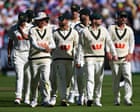
Cricket Australia sustained a crippling $20 million revenue hit from two prematurely concluded Ashes Tests last summer, casting a shadow over balance sheets as consecutive deficits loom.
According to details reported by Guardian Australia Sport, the governing body nevertheless recorded an $82 million operating surplus for the 2025-26 financial year, underpinned by the commercial juggernaut of the home men's Ashes. However, the unexpected speed with which two of the five-day fixtures reached their conclusion inflicted severe collateral damage on the organisation's anticipated takings.
Early finishes dent match-day windfalls
The substantial $20 million shortfall stems primarily from unfulfilled ticketing sales, hospitality packages, and stadium concessions when matches wrapped up within just two days of play. In Test cricket economics, five-day contests provide critical opportunities for weekend attendance, walk-up patronage, and premium corporate entertainment.
When pitch conditions and rapid batting collapses combined to truncate encounters inside six sessions, administrators were forced to absorb extensive ticket refunds and forfeited food, beverage, and corporate revenues. While broadcast arrangements generally retain base valuations regardless of match duration, the loss of secondary television advertising inventory across days three, four, and five represented a further indirect blow to the domestic summer’s yield.
Four-year revenue cycle heads into trough
The resulting $82 million surplus represents the zenith of Cricket Australia’s traditional four-year financial model. Under this cyclical framework, the organisation stockpiles reserves during the high-water marks of hosting England and India, using the capital to insulate the game during quieter international periods.
Yet internal forecasts indicate that the governing body is now bracing for at least two consecutive years of financial losses. With neither England nor India scheduled to tour over the upcoming domestic cycles, prospective ticket sales, premium hospitality demand, and broadcast viewing figures are projected to contract sharply.
The impending shortfall comes at an awkward juncture for administrators, who rely on the Ashes surplus to subsidise state associations, fund grassroots infrastructure, and bankroll expansive domestic leagues, including the men's and women's Big Bash tournaments.
Broadcasters and venues count the collateral cost
The ramifications of abruptly concluded Test matches also extend across the wider cricket ecosystem, putting host state associations and venue trusts in an unenviable position. Stadium authorities invest heavily in seasonal staffing, logistical operations, and pitch preparations, only to be left with vacant stands during peak holiday weekends.
Guardian Australia Sport reported that the financial drag of those two-day fixtures has intensified scrutiny on pitch curation and administrative contingencies. With leaner touring schedules approaching and international consumer attention fragmenting across alternative formats, Cricket Australia must navigate its anticipated deficit years with tighter fiscal discipline. Administrators must now carefully manage their cash reserves to ensure the multi-million-dollar blow from last summer does not compromise long-term investments in the domestic game.