
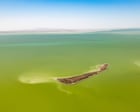
A prodigiously wet monsoon season has triggered a rare ecological transformation across central Australia, turning the arid expanse of Kati Thanda-Lake Eyre into a vivid, flourishing carpet of water and wildflowers.
The spectacle, visible across vast tracts of the deep outback, represents a remarkable departure from the baked, red-ochre dustscapes typically associated with the continent's harsh interior. As The Guardian Australia reported, aerial vantage points reveal an environment painted not merely in striking emerald, but in marbled ribbons of reddy-pink, shallow blue, and yellow-brown terrain flecked with desert blooms.
An Uncharacteristic Tapestry of Arid Flora
The sudden explosion of botanical life has temporarily cloaked one of the driest reaches of the planet in native vegetation. Sandhill wattle, hardy saltbush, and tangled lignum have surged alongside seasonal grasses and ephemeral desert flora, creating an intricate understorey where cracked mud and barren gibber plains traditionally dominate.
This profusion of growth is densest along the braided networks of hundreds of winding creeks and river channels that carve their way through the outback. For scientists and pastoral communities, the sheer volume of organic matter represents an ecological turning point not observed across the basin on this scale in decades. It is a striking visual paradox: a region renowned for harsh desolation now displaying the lush aesthetic of an inland oasis.
The Protracted Descent of Northern Waters
The catalyst for this outback regeneration originated thousands of kilometres away in the tropics. Earlier this year, a fierce and protracted monsoon delivered torrential rainfall across parts of northern Queensland and the Northern Territory. While those same deluges triggered damaging floods in remote settlements and severed critical transport infrastructure, they also deposited billions of litres of water into the Channel Country.
Channelled through the sluggish, ancient river systems of the Georgina and Diamantina rivers and Cooper Creek, the floodwaters embarked on a months-long journey across almost imperceptible gradients. As The Guardian Australia noted, this vast hydrological pulse has finally made its presence felt at the terminal terminus of the Lake Eyre basin, reviving dormant seedbanks that had lain suspended beneath the salt crust for years.
A Fleeting Window for Desert Wildlife
Biologists stress that while the surge of life evokes an image of permanence, the phenomenon is inherently ephemeral. With the southern spring giving way to the punishing heat of outback summer, fierce evaporation rates will soon reclaim much of the surface water, gradually reducing the vibrant shallow wetlands back into crusty salt flats.
In the interim, the basin is hosting an extraordinary biological boom. Nomadic waterbirds, breeding fish populations, and indigenous fauna are congregating in massive numbers, capitalising on a brief window of shelter and sustenance before the desert reclaims its customary stillness. For the few charter flights and travellers witnessing the event from above, Kati Thanda-Lake Eyre provides an arresting illustration of Australia's extreme ecological cycles.


