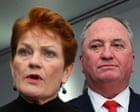
Australia's political landscape is once again embroiled in a contentious debate over party funding, as Prime Minister Anthony Albanese, Opposition Leader Peter Dutton, and One Nation leader Pauline Hanson have all sidestepped questions regarding their fundraising activities this week. The evasiveness has sparked fresh concerns about transparency and the potential for money to distort democratic processes.
The Guardian Australian politics reported on the leaders' reluctance to engage on the issue, highlighting a pervasive silence that many argue erodes public trust. This comes at a time when faith in politics is already precariously low, with voters increasingly questioning the integrity of the system.
The Malinauskas Model: A Call for Change
The debate echoes sentiments expressed by South Australian Premier Peter Malinauskas, who successfully moved to ban political donations in his state ahead of the last election. Malinauskas candidly articulated his rationale, arguing that the incessant "fundraising arms race" consumes an inordinate amount of politicians' time.
His primary concern was the growing practice of selling access to party leaders and frontbenchers to wealthy donors throughout the electoral cycle. This, he contended, creates an uneven playing field and risks unduly influencing policy decisions in favour of well-heeled benefactors rather than the broader public interest. The South Australian example stands as a stark contrast to the national reluctance to address the issue head-on.
Silence from the Top: A Bipartisan Problem
When pressed on their fundraising methods, both the Prime Minister and the Opposition Leader have offered little in the way of concrete detail. Mr Albanese, when questioned about his party's financial backing, reportedly provided a vague response, failing to shed light on the source or nature of donations. Similarly, Mr Dutton's office has remained tight-lipped, contributing to the perception of a bipartisan effort to keep fundraising details out of the public eye.
This lack of transparency extends beyond the major parties. Pauline Hanson, leader of One Nation, has also been notably reticent on her party's funding. This collective silence from across the political spectrum raises significant questions about accountability and the extent to which private financial interests might be shaping the public agenda. Critics argue that without greater openness, the public is left to speculate about the motivations behind political decisions and the true beneficiaries of government policies.
Eroding Public Trust and Democratic Integrity
The continued opacity surrounding political donations is not merely an academic concern; it has tangible consequences for Australia's democratic health. When politicians consistently avoid direct questions about where their money comes from, it fosters an environment of suspicion and cynicism among the electorate. The perception that access and influence can be bought undermines the fundamental principle of 'one person, one vote'.
Many political analysts suggest that the current system, which allows for significant anonymous or undeclared donations, provides ample opportunity for vested interests to exert undue influence. The Guardian Australian politics report underscores the critical need for greater transparency to rebuild public trust. Without a clear understanding of who is funding political parties, and to what extent, Australians are left wondering whose interests are truly being served in the corridors of power. The ongoing silence from our leaders only serves to deepen these concerns.