
A powerful El Niño event is casting a long, ominous shadow over Australia's vulnerable marine environments, with scientists issuing stark warnings that the nation's precious underwater habitats are at increased risk. The climactic phenomenon, typically associated with hotter, drier conditions across much of the continent, is now feared to be pushing already stressed ocean ecosystems to a critical breaking point.
Researchers are expressing deep concern that the current active El Niño could spell widespread trouble along Australia's vast coastline, from the iconic Great Barrier Reef to vital southern fisheries. The confluence of this natural cycle with ongoing anthropogenic pressures is creating a perilous cocktail for marine life, SBS News Top Stories reported.
The Dual Threat to Ocean Health
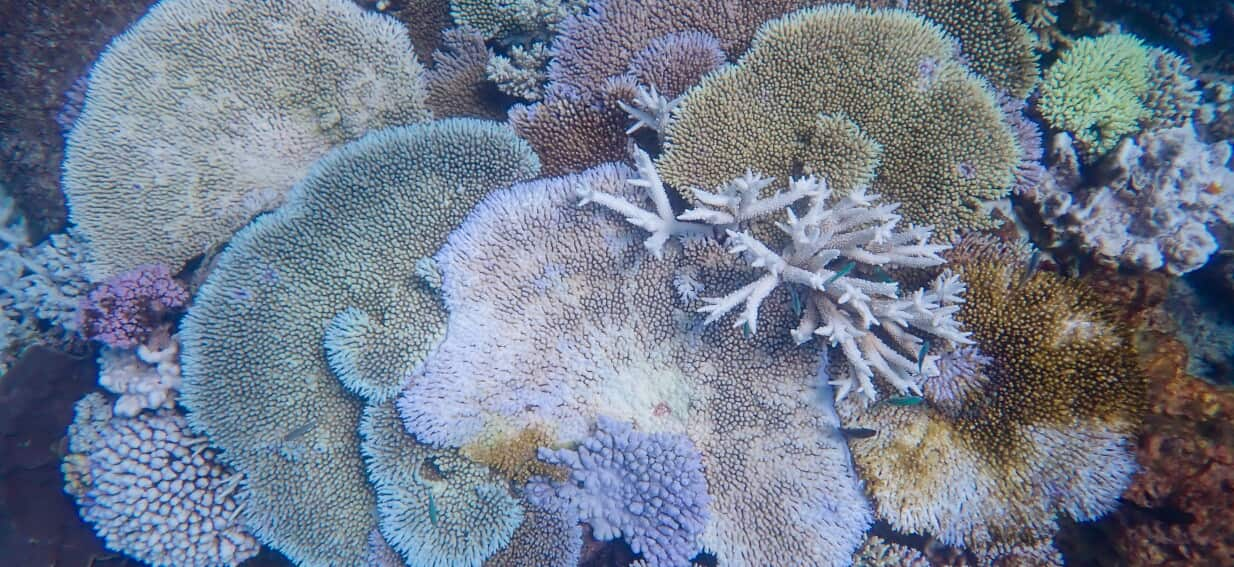
The El Niño-Southern Oscillation (ENSO) cycle is a natural fluctuation in Pacific Ocean temperatures and atmospheric pressures, with El Niño phases typically bringing warmer ocean temperatures to Australia's eastern and northern waters. While a natural event, its intensity and interaction with climate change are amplifying its potential for harm. Marine ecosystems, particularly coral reefs, seagrass meadows, and kelp forests, are highly sensitive to temperature fluctuations. Elevated sea surface temperatures can trigger coral bleaching events, where corals expel the algae living in their tissues, leading to widespread die-offs if conditions persist.
Beyond direct temperature stress, El Niño can also alter ocean currents and nutrient distribution, disrupting food webs and impacting fish populations. This can have flow-on effects for commercial and recreational fisheries, which contribute significantly to regional economies and provide livelihoods for thousands of Australians. The concern is that the current El Niño is not an isolated event but rather occurring within a broader context of ocean warming and acidification, meaning ecosystems have less resilience to cope.
A History of Bleaching and Decline
Australia has witnessed the devastating impacts of marine heatwaves exacerbated by previous El Niño events. The Great Barrier Reef, a World Heritage-listed natural wonder, has suffered multiple mass bleaching events in recent years, leading to significant coral loss. Scientists fear that another severe heat stress period could further degrade the reef's health and diminish its capacity to recover. Similarly, temperate marine environments along the southern coast have experienced significant losses of kelp forests, often referred to as the 'rainforests of the sea', due to prolonged periods of warmer water.
The compounding effect of El Niño means that areas that have just begun to show signs of recovery from previous stressors may be hit again, hindering their long-term viability. This cycle of stress and slow recovery is depleting the natural resilience of these complex biological systems, making them more susceptible to future disturbances.
Economic and Environmental Repercussions
The health of Australia's marine ecosystems is inextricably linked to the nation's economy and lifestyle. The Great Barrier Reef alone supports tens of thousands of jobs and generates billions of dollars annually through tourism. Fisheries contribute hundreds of millions of dollars to the economy, while healthy coastlines provide natural protection against storm surges and erosion. Any widespread decline in marine health due to an intensified El Niño will have tangible economic repercussions, affecting everything from local businesses in coastal towns to the broader national economy.
Beyond the financial cost, there is an immeasurable environmental price. The loss of biodiversity, the disruption of intricate food chains, and the potential for species extinction represent a profound ecological tragedy. Researchers are particularly worried about endemic species that have nowhere else to go if their specific habitats become unliveable.
Urgent Monitoring and Adaptation Needed
Experts are urging for intensified monitoring efforts across Australia's marine parks and coastal waters to track the real-time impacts of the current El Niño. This data will be crucial for understanding the extent of the damage and for informing potential mitigation and adaptation strategies. While the immediate impacts of El Niño are a natural phenomenon, the enhanced vulnerability of marine ecosystems is a direct result of human-induced climate change.
The scientific community stresses the critical need for long-term strategies that address global warming, including drastic reductions in greenhouse gas emissions. In the short term, efforts to reduce local stressors such as pollution, overfishing, and coastal development can help bolster the resilience of marine environments against the inevitable pressures brought by El Niño and a warming planet. The message is clear: Australia's precious underwater world is sending an urgent distress signal.


