
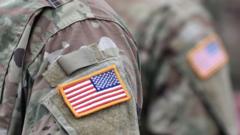
Global alarm bells are ringing after an Iranian missile attack on Jordan claimed the lives of two US military personnel, with a third soldier reported missing. The lethal strike, which occurred overnight into Saturday, marks a significant escalation in an already volatile Middle East, raising concerns about direct confrontation between Iran and the United States.
BBC World reported that the fatalities occurred after Jordan’s sophisticated air defence systems intercepted an estimated ten Iranian missiles. While the Jordanian government has not specified the exact target of the intercepted projectiles, the presence of American troops in the kingdom suggests they were caught in the crossfire or directly targeted in an attack that has sent shockwaves through international diplomatic circles.
Deadly Strike Heightens Regional Volatility
The deaths represent a sobering turning point in the shadowed conflict between Washington and Tehran, which has largely been waged through proxies and cyber warfare. The direct loss of American life instantly elevates the stakes, demanding a robust response from the Biden administration. Analysts suggest the incident could prompt a re-evaluation of US military posture in the region, potentially leading to increased troop deployments or retaliatory actions against Iranian assets.
Jordan, a key Western ally in the Middle East, hosts a significant American military presence, primarily focused on counter-terrorism operations and regional stability. The attack on its soil underscores the kingdom's precarious position, caught between an assertive Iran and its Western partners. The incident will undoubtedly prompt a review of its air defence capabilities and intelligence sharing with allies.
Washington Vows Condemnation as Tensions Mount
While details of the US response remain under wraps, initial reactions from Washington indicate strong condemnation and a pledge to hold those responsible accountable. The White House is likely weighing a range of options, from targeted sanctions to military strikes, as it seeks to deter further Iranian aggression without igniting a full-scale war. The cost of such an operation, both financially and in terms of human lives, would be immense, potentially running into hundreds of billions of Australian dollars and protracted conflict.
For Australia, a close ally of the United States, the escalation presents a complex diplomatic challenge. Canberra has consistently advocated for de-escalation in the Middle East, fearing the broader implications of a regional conflict. Any direct military action by the US would likely see Australia lending diplomatic support, though direct military involvement would be subject to intense debate given the substantial national interest implications.
Unanswered Questions Amidst Geopolitical Fallout
Crucial questions remain unanswered: What was the precise target of the Iranian missiles? Was the attack an intentional strike against US forces, or were they collateral damage? And what is the condition of the missing American soldier? The answers to these questions will significantly shape the international community's response and the trajectory of future US-Iran relations.
The incident serves as a stark reminder of the fragile peace in the Middle East and the ever-present danger of miscalculation leading to catastrophic consequences. World leaders are now bracing for the immediate aftermath of this deadly attack, with fears growing that the region could be teetering on the brink of an even wider, more devastating conflict.