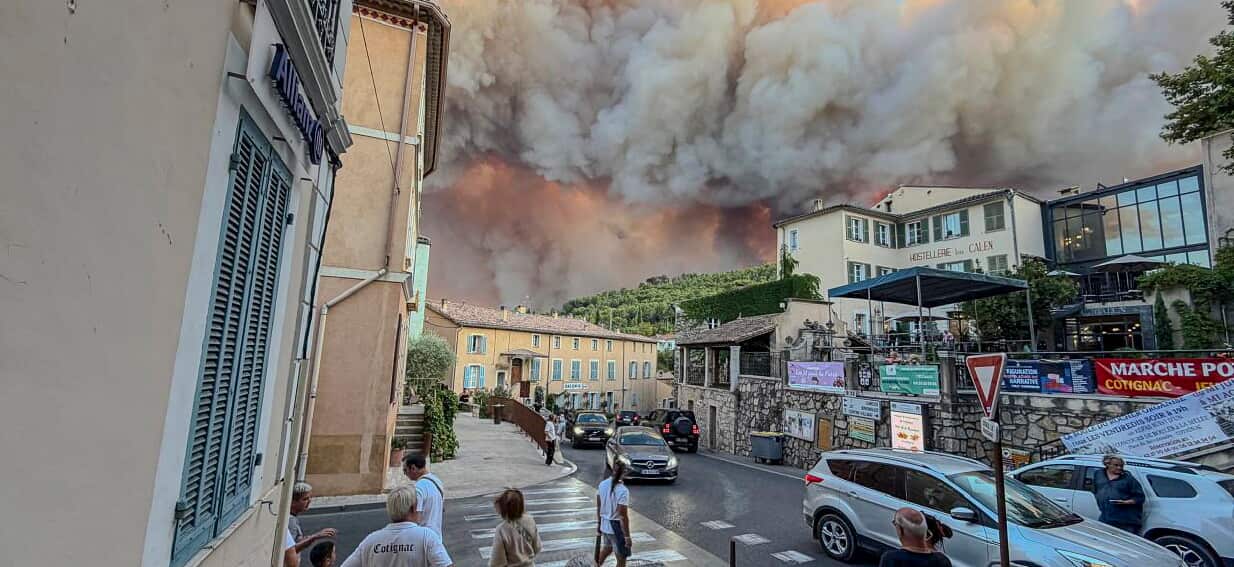
Massive wildfires are tearing through popular European tourist destinations, casting a pall over the continent's peak holiday season and forcing Australian travellers to reassess their plans. Authorities are now urging Australians to stay exceptionally well-informed and meticulously check their travel insurance policies as the crisis unfolds.
The ferocious blazes, exacerbated by scorching heatwaves and prolonged drought conditions, have already led to evacuations, disrupted transport, and unfortunately, claimed lives across several nations. From the sun-drenched islands of Greece to the ancient forests of Portugal, the destructive power of the fires is impacting millions, including potentially thousands of Australian tourists.
Unprecedented Blazes Threaten Holiday Dreams
Australians have long flocked to Europe for their summer holidays, drawn by its rich history, vibrant cultures, and idyllic beaches. However, this year's seasonal escape is being overshadowed by an unprecedented onslaught of wildfires. Popular destinations like Greece, particularly parts of Rhodes and Corfu, and regions in Italy, Spain, and Portugal, have seen residential areas and holiday resorts threatened or directly impacted. The sheer scale and intensity of these fires are creating hazardous conditions, with thick smoke blanketing skies and ash falling in areas far removed from the immediate fire zones. Travel plans are being thrown into disarray, with flights cancelled or diverted, roads closed, and accommodations evacuated. For many, a dream European holiday is rapidly turning into a stressful and potentially dangerous ordeal.
DFAT Calls for heightened Vigilance and Preparedness
The Department of Foreign Affairs and Trade (DFAT) has updated its travel advice for several European countries, urging Australians to exercise a high degree of caution. While not issuing blanket 'Do Not Travel' warnings for entire nations, specific regions affected by fires are subject to more stringent advice. SBS News Top Stories reported that the core message for Australians abroad or planning trips is clear: preparedness is paramount. This includes closely monitoring local news and emergency services for real-time updates, understanding evacuation procedures, and having contingency plans in place. Travellers are also being advised to register their travel details with DFAT on the Smartraveller website, enabling the department to contact them in an emergency, or to assist if necessary.
The Critical Role of Travel Insurance
Perhaps the most crucial piece of advice for Australian travellers right now centres on travel insurance. Many holidaymakers might assume standard policies cover all eventualities, but the nuances of wildfire-related disruptions can be complex. Insurers often differentiate between events that were unforeseen at the time of policy purchase versus those that were already widely known. Policies may have specific clauses regarding natural disasters, government-issued 'Do Not Travel' warnings, or disruptions caused by events initiated before the policy was taken out. Australians are strongly urged to contact their insurance providers directly to understand the specifics of their coverage regarding flight cancellations, accommodation changes, medical emergencies, or lost luggage due to wildfire-related incidents. A comprehensive review of Product Disclosure Statements (PDS) is also highly recommended to avoid any unwelcome surprises. The cost of an extended stay, emergency repatriation, or medical treatment in a foreign country can run into tens of thousands of Australian dollars, underscoring why adequate insurance is not an optional extra, but a fundamental necessity in dynamic situations like the current European wildfire crisis.
Navigating Disruptions: What Travellers Need to Know
For those currently in Europe, or with imminent travel plans, proactive measures are key. Beyond insurance checks, Australians should regularly consult official government travel advisories, such as Australia's Smartraveller website and the foreign affairs departments of their destination countries. Communication with airlines, tour operators, and accommodation providers is also essential, as policies for rebooking or refunds due to natural disasters can vary widely. If asked to evacuate, follow local authorities' instructions immediately and without hesitation. Keep important documents – passports, insurance details, and emergency contacts – readily accessible. While the desire for a relaxing European holiday is understandable, prioritising personal safety and well-being must undoubtedly take precedence during this challenging period of widespread environmental disruption.