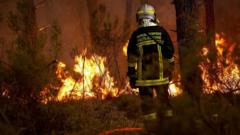
Australian travellers are being urged to exercise caution and review their itineraries as devastating wildfires grip popular Mediterranean holiday destinations in France and Spain, causing widespread evacuations and travel chaos.
Fires fuelled by extreme heatwaves and strong winds have torn through vast areas, particularly in southwestern France and parts of Spain, prompting authorities to declare states of emergency and evacuate tens of thousands of residents and tourists.
Holiday Hotspots Ablaze
The Gironde region of France, famed for its vineyards and Atlantic coastline, has been particularly hard-hit. Thousands of hectares of pine forest have been consumed, forcing the evacuation of over 30,000 people, including many international tourists, from areas around Arcachon Bay and the popular Dune du Pilat. Similarly, in Spain, areas like Galicia, Castilla y León, and parts of Catalonia have battled significant fires, with some encroaching on natural parks and tourist routes.
While direct impacts for Australian holidaymakers might include cancelled accommodation, closed attractions, or rerouted transport, the broader consequences extend to air quality and access to certain areas. BBC Business reported that flight paths might be altered to avoid smoke plumes, and road closures are common, leading to significant delays for those travelling by car or bus.
Travel Insurance and Cancellations
Australians with impending travel plans to these regions are advised to contact their airlines, accommodation providers, and tour operators directly to ascertain the status of their bookings. Many travel insurance policies will cover cancellations or amendments if the Australian Department of Foreign Affairs and Trade (DFAT) issues a 'do not travel' warning for specific areas, or if an airline or tour operator cancels services.
However, it's crucial for travellers to understand the nuances of their individual policies. Some policies may not cover disruption due to 'acts of God' or natural disasters if the policy was purchased after the wildfires became a known event. Experts suggest a thorough review of policy documents and direct communication with insurance providers for clarity. For those considering new bookings, it's prudent to inquire about flexible cancellation policies or travel insurance that explicitly covers natural disaster-related disruptions.
Health and Safety Precautions
Beyond travel logistics, health and safety remain paramount. Smoke from large-scale wildfires can significantly impact air quality, posing risks for individuals with respiratory conditions such as asthma or other chronic illnesses. Australia's Department of Foreign Affairs and Trade (DFAT) regularly updates its Smartraveller advice, and travellers should monitor these warnings closely for any changes in risk levels for affected regions.
When travelling near fire zones, authorities strongly advise adherence to local emergency instructions, which may include evacuation orders, road closures, or restrictions on outdoor activities. Staying informed through reputable local news sources and official government channels is critical for personal safety. Australians are also reminded to have emergency contact details readily available and consider registering their travel plans with DFAT for easier assistance in a crisis.
Economic Impact on Tourism
The wildfires are not only a humanitarian and environmental crisis but also pose a significant economic threat to Europe's tourism sector, a cornerstone of many local economies. Lost revenue from cancelled bookings, decreased visitor numbers, and the long-term impact on natural attractions could be substantial. For an Australian dollar that has seen fluctuations against the Euro, any further economic instability in these regions could also indirectly affect holiday budgets, although direct financial impacts are less immediate than for local businesses. The full extent of the wildfires' impact on both travel and regional economies will continue to unfold as emergency services battle to bring the blazes under control.