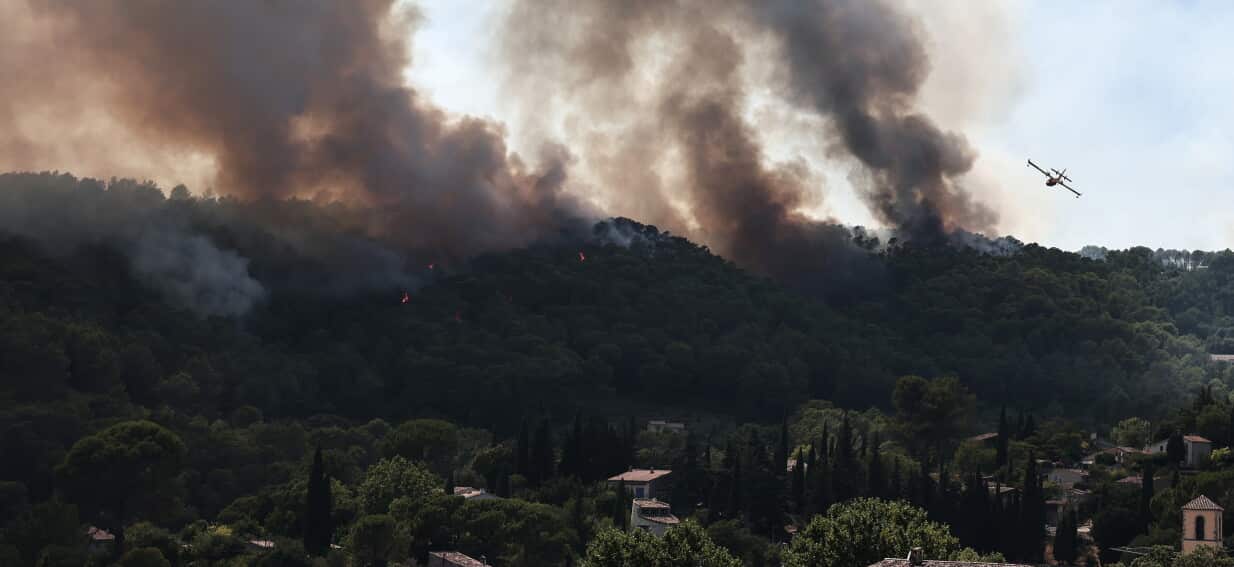
A catastrophic wave of wildfires is sweeping across southern Europe, driven by unrelenting heatwaves that have pushed temperatures to extreme highs. The inferno has claimed the lives of three brave firefighters, underscoring the perilous conditions faced by emergency crews battling the blazes as tens of thousands of residents are forced to flee their homes.
Reports from SBS News Top Stories paint a grim picture, detailing how emergency services are being overwhelmed by the scale and intensity of the fires. The article noted that firefighters are facing almost insurmountable challenges, with one official quoted as saying crews stand 'no chance' against the ferocious fronts that are now commonplace across the continent.
Unprecedented Heat Fuels the Fury
The current heatwave engulfing southern Europe is breaking records, creating a tinderbox environment conducive to widespread conflagrations. Temperatures have soared well into the high 40s in numerous regions, exacerbating drought conditions and turning vast swathes of forest and scrubland into highly combustible fuel. This intense heat is not only igniting new fires but also making existing ones incredibly difficult to control, creating volatile fire fronts that spread rapidly and unpredictably.
Climatologists are increasingly linking these extreme weather events to climate change, warning that such severe and prolonged heatwaves could become the new norm. For Australians, familiar with their own devastating bushfire seasons, the scenes unfolding in Europe resonate deeply, highlighting the global impact of a warming planet. The economic ramifications are also significant, with preliminary estimates of damage running into hundreds of millions of Euros, potentially billions of Australian dollars, affecting agriculture, tourism, and infrastructure.
Mass Evacuations and Human Cost
The human toll of these wildfires is mounting daily. Beyond the tragic loss of three firefighters, tens of thousands of people have been evacuated from their homes, some with only minutes to spare. Entire villages have been engulfed, and popular tourist destinations have been cleared, leaving holidaymakers scrambling for safety. The psychological impact on those who have lost homes, livelihoods, and witnessed the destruction firsthand is immense.
Emergency shelters are struggling to cope with the influx of displaced individuals, many of whom have left everything behind. Governments across affected nations are mobilising national guard units and seeking international assistance to bolster their firefighting capabilities and provide humanitarian aid. The immediate focus remains on saving lives and containing the fires, but the long-term recovery effort will undoubtedly be a colossal undertaking.
Global Solidarity and Future Challenges
As the smoke darkens European skies, a wave of international solidarity is emerging. Countries outside the immediate crisis zone are dispatching firefighting aircraft, ground crews, and vital equipment to assist in the Herculean effort. The collaborative response underscores the global nature of climate-induced disasters and the necessity for cross-border cooperation in times of crisis.
However, the recurring nature of these extreme fire seasons poses significant questions for future preparedness and mitigation strategies. Experts are calling for more robust forest management, updated emergency response protocols, and increased investment in climate adaptation measures. Without such interventions, the fear is that this year's devastating blazes could merely be a precursor to even more destructive fire seasons in the years to come, fundamentally altering landscapes and communities across the continent.