
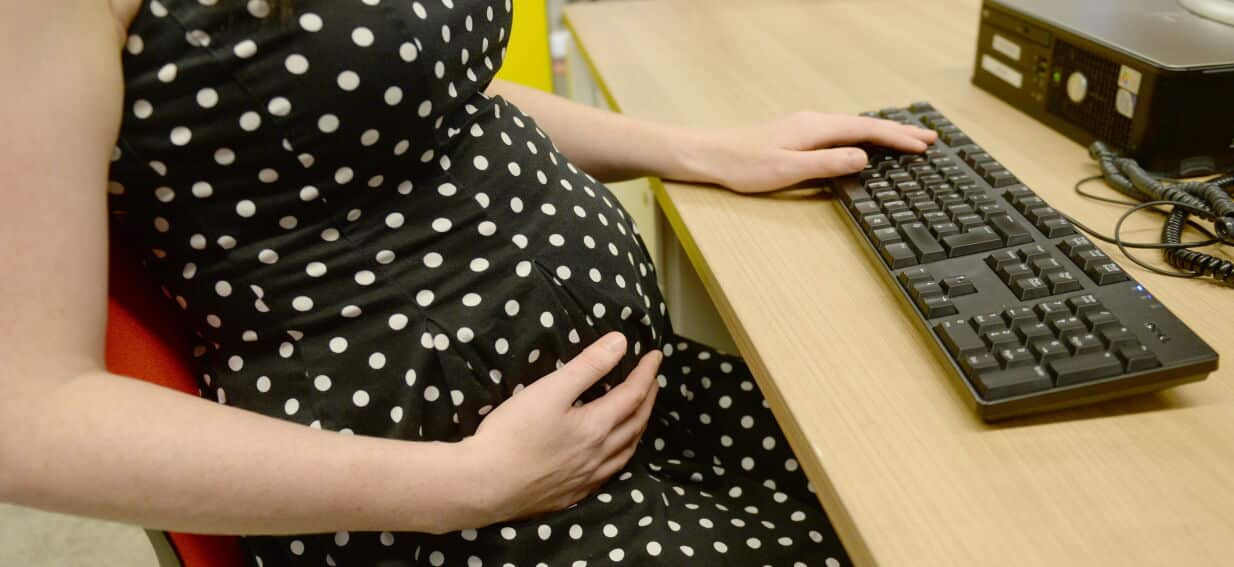
Pregnancy discrimination remains deeply entrenched across Australian workplaces, with thousands of women still facing demotions, reduced shifts, and career derailment simply for starting a family, according to recent findings.
Despite decades of statutory protections and corporate pledges toward gender equity, expectant mothers continue to navigate systematic disadvantage across varied employment sectors. SBS News Top Stories reported that substantial numbers of working women nationwide are being penalised upon disclosing their pregnancies, exposing an enduring divide between public corporate rhetoric and daily workplace conduct.
Penalties begin long before parental leave
For many employees, mistreatment begins immediately after announcing their pregnancy to management. Instead of receiving structural accommodation, workers regularly experience subtle isolation, abrupt exclusion from high-profile projects, or unexpected performance management processes designed to build a pretext for termination.
In insecure and casualised sectors, such as retail and aged care, retaliation is frequently immediate. Roster allocations are quietly cut to unviable levels, effectively forcing pregnant workers out without triggering formal redundancy protocols. In white-collar professions, the discrimination tends to be more covert: promotional pipelines are frozen, and expectant mothers are systematically stripped of core responsibilities under the guise of reducing their stress.
The quiet push out of post-maternity careers
The systemic challenges compound significantly when mothers attempt to re-enter the workforce after giving birth. Returning employees regularly find their previous roles altered, downgraded, or declared redundant as part of convenient internal restructures.
While the Fair Work Act guarantees an employee the right to return to their pre-parental leave position, industrial advocates note that corporate loopholes remain widely exploited. Requests for flexible working arrangements, part-time schedules, or remote duties are routinely knocked back on ambiguous commercial grounds. Confronted with rigid working hours and exorbitant early childhood education costs, many women find themselves pressured into resigning or accepting lower-paid, insecure roles well below their skill levels.
Gaps between Fair Work statutes and workplace reality
Australia’s legal framework ostensibly protects women against adverse action through both the Sex Discrimination Act and modern awards. However, employment law specialists argue that the enforcement burden falls almost entirely on vulnerable individuals.
Pursuing an adverse action or unfair dismissal claim through the Fair Work Commission or the Federal Circuit Court is a costly, time-consuming, and emotionally punishing ordeal. Most women navigating pregnancy or infant care lack the financial resources to contest well-funded corporate legal teams. Consequently, the majority of legitimate grievances are resolved through confidential settlements and non-disclosure agreements, concealing the true extent of the problem and shielding repeat offenders from public scrutiny.
Compounding the national gender pay divide
The ongoing prevalence of workplace maternity bias carries severe long-term macroeconomic consequences, directly fuelling the nation's gender pay and retirement savings disparities. Lost promotions, involuntary career breaks, and forced casualisation substantially depress lifetime earnings, leaving Australian women retiring with average superannuation balances roughly a third lower than those of men.
Workplace analysts warn that until regulatory bodies possess greater scope to investigate and penalise offending firms proactively, workplace pregnancy will remain an acute professional hazard for Australian women.


