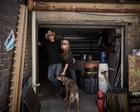
The Australian art world is mourning the death of Broken Hill painter Howard Steer, whose irreverent, satirical depictions of outback life earned him national acclaim as the "flying doctor artist".
News of his death has resonated deeply throughout western New South Wales and beyond, with art collectors, regional institutions and outback communities paying tribute to a figure whose work came to define the idiosyncratic humour of the bush. ABC News NSW reported that tributes have flowed for the veteran painter, whose work celebrated the resilient, often eccentric spirit of remote station life.
A cheekily affectionate outback canvas
Steer carved out a distinctive niche within contemporary Australian folk and figurative art, deliberately avoiding highbrow pretension in favour of bold narrative storytelling. His canvasses, frequently dominated by searing red earth, cobalt skies and dusty corrugated iron, depicted scenes of quintessential bush life: shearing shed misadventures, raucous country race meetings, remote pub yarns and irreverent bush weddings.
Critics and gallery directors long recognised Steer’s trademark mischievousness, which occasionally bordered on the bawdy. Where other landscape painters approached the desert with sombre romanticism, Steer brought theatrical wit. His characters—often wide-eyed, weather-beaten station hands and iron-willed matriarchs—were rendered with an affectionate eye for human folly under the harsh inland sun.
Silver wings on every horizon
Central to his legacy was his enduring moniker, the "flying doctor artist". For decades, virtually every painting Steer produced incorporated the Royal Flying Doctor Service (RFDS), often featuring a distinctive twin-engine aircraft cruising across the top corner of the frame. In many works, Steer would incorporate a small clock face set to an exact hour, reminding viewers of the relentless race against time faced by aeromedical teams serving remote stations.
That motif was far more than a stylistic gimmick. Steer maintained a fierce, lifelong commitment to the RFDS, donating paintings for charity auctions, hosting benefit events, and directing proceeds from his commercial sales to the organisation. Over the span of his career, his brushes raised hundreds of thousands of dollars to ensure medical crews could continue landing on isolated dirt airstrips.
Rooted in the Silver City tradition
Steer remained fiercely loyal to his home of Broken Hill, continuing the rich creative legacy pioneered by the legendary Brushmen of the Bush. While he developed his own instantly recognisable iconography, his work shared that collective determination to present the Far West to metropolitan audiences on its own unapologetic terms.
His studio in Broken Hill served as an essential stopover for tourists, pastoralists and grey nomads traversing the Barrier Highway. Visitors were invariably greeted with dry humor, vivid anecdotes and a warm cup of tea rather than commercial hard-sell tactics.
A legacy honoured across Australia
Steer's substantial cultural and charitable contributions were formally recognised in 2016, when he was awarded the Medal of the Order of Australia (OAM) for services to the visual arts and community organisations.
Regional galleries holding his work noted that while Steer’s brush has fallen silent, his sprawling body of work remains an essential chronicle of twentieth- and twenty-first-century outback existence—a vivid reminder that out in the red dust, survival has always demanded a healthy dose of laughter.