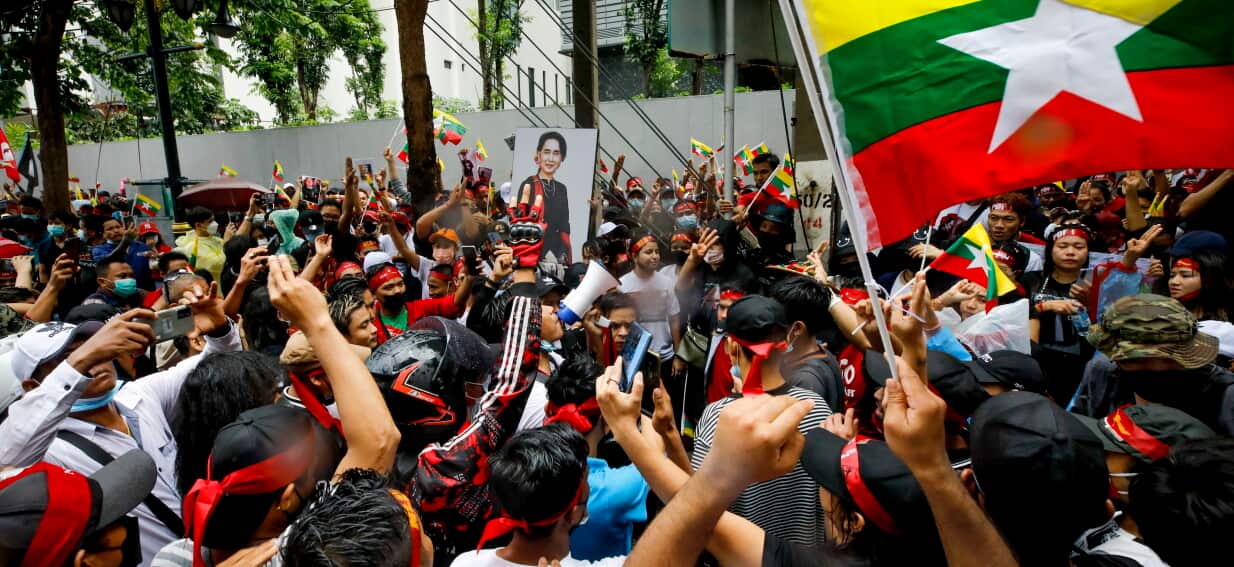
Fears are mounting for a recently deposed Southeast Asian leader, with international observers and human rights groups questioning the circumstances of her detention and the authenticity of images purportedly showing her in good health.
Despite assurances from her son that she appeared well, independent analysts and media outlets are scrutinising photographs, sparking broader concerns for her safety and access to proper care. The ongoing political instability in the nation, triggered by a military coup, has only amplified these anxieties.
Unverified Images Fuel Speculation
The images, widely circulated on social media platforms, show the prominent leader in what appears to be a domestic setting. Her son, speaking publicly, indicated that she looked well and had been provided with some necessities. However, the origin and date of these photographs remain unverified, prompting SBS News Top Stories to report that significant questions are being raised about their authenticity and whether they accurately reflect her current situation.
Experts in digital forensics have highlighted inconsistencies and anomalies within the images, suggesting they may have been staged or taken under duress. The lack of independent verification or access by international observers to the detained leader has further fueled speculation and distrust regarding the ruling junta's narrative. Her supporters remain deeply sceptical, fearing these images are a propaganda tool designed to quell international condemnation.
A Pattern of Secrecy and Control
This latest development fits a troubling pattern of secrecy and tight control exercised by the military administration since the coup. Access to the deposed leader has been severely restricted, with her legal team reportedly facing obstacles in regular communication and preparation for upcoming legal proceedings. This deliberate isolation not only obstructs justice but also raises fundamental human rights concerns about her right to legal counsel and due process.
Humanitarian organisations have repeatedly called for independent access to all political detainees, including the former leader, to assess their health and living conditions. The refusal by the authorities to grant such access only intensifies fears that the regime may have something to hide, potentially involving ill-treatment or deteriorating health conditions.
International Community Demands Transparency
Australia, along with other nations in the Indo-Pacific region and beyond, has been vocal in its condemnation of the coup and the subsequent crackdown on dissent. The Australian government has repeatedly called for the immediate and unconditional release of all political prisoners and a return to democratic rule. The emergence of these questionable photographs is likely to intensify calls for greater transparency and international oversight.
Diplomatic efforts continue behind the scenes, with nations exploring avenues to pressure the military junta. Sanctions, restrictions on financial aid, and diplomatic isolation are all on the table as the international community seeks to hold the regime accountable for its actions. The ongoing uncertainty surrounding the leader's well-being serves as a stark reminder of the broader human rights crisis unfolding within the nation.
Broader Implications for Democracy
The situation extends beyond the welfare of one individual, however prominent. It underscores the fragility of democratic institutions in the region and the lengths to which authoritarian regimes will go to consolidate power. The lack of credible information and the spread of potentially misleading images are indicative of a wider assault on truth and transparency, making it incredibly difficult for the international community to ascertain the true state of affairs.
As the world watches on, the demand for verifiable information and independent access to the detained leader will only grow louder. The continued obfuscation by the military junta risks further isolating the nation and drawing sharper criticism from international bodies dedicated to upholding human rights and democratic principles.