
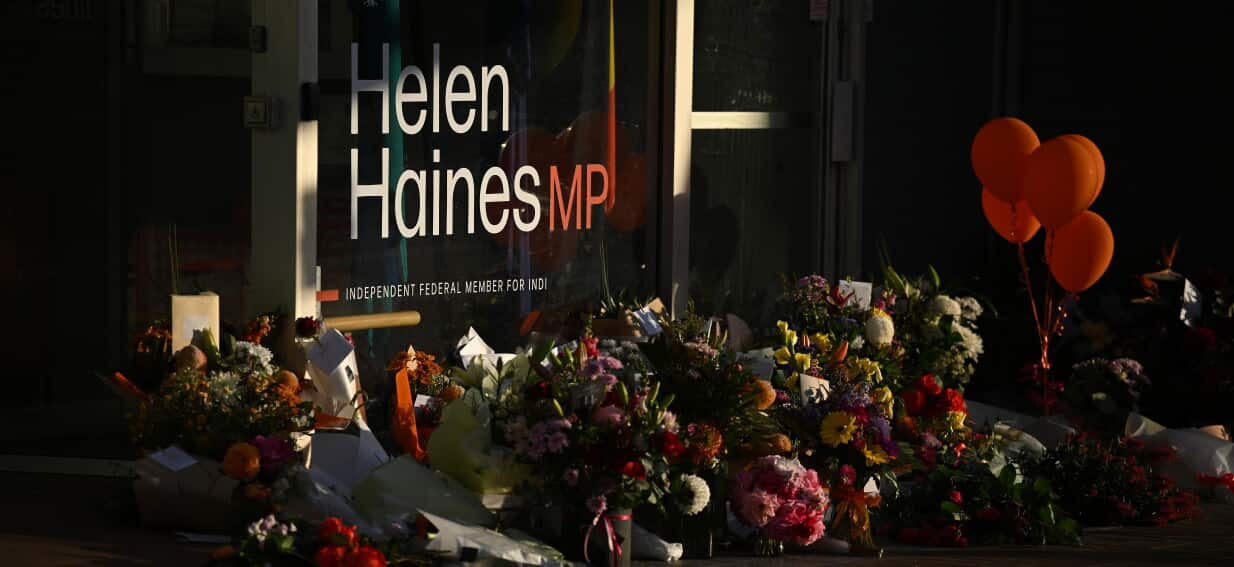
Female parliamentarians across Australia are confronting a pervasive sense of vulnerability and escalating vitriol following a recent physical incident involving Independent federal MP Helen Haines in her regional Victoria electorate.
The confrontation, which has prompted widespread reflection within federal corridors, has left women across the political divide asking whether it is only a matter of time before routine hostility escalates into grave physical harm. As SBS News Top Stories reported, female politicians from across party lines have spoken out candidly regarding the persistent undercurrent of harassment, intimidation, and abuse they endure while carrying out their public duties.
Cross-Party Alarm Following Indi Confrontation
The incident targeting Dr Haines, the member for Indi, has served as an acute catalyst for anxieties that have long brewed quietly across Canberra and within local constituency offices. While frontline community engagement has historically formed the bedrock of Australian representative democracy, parliamentarians have noted that public-facing events now increasingly carry an edge of unpredictability and danger.
Lawmakers representing Labor, the Coalition, the Greens, and the crossbench have expressed solidarity with Dr Haines, acknowledging that her ordeal brought existing private terrors into sharp public focus. Many female members noted that they now routinely conduct internal risk assessments before attending community gatherings, shopping centre visits, or street stalls—spaces that were once considered inherently safe.
Normalised Toxicity and the Online Crucible
The physical encounter reflects a broader, rapidly deteriorating environment fuelled largely by unbridled digital abuse. SBS News Top Stories reported that elected women remain disproportionate targets of gendered disinformation, sexually explicit vitriol, and targeted harassment campaigns across social media platforms.
While male counterparts frequently encounter fierce public criticism over policies or partisan alignments, the abuse directed at female politicians is distinctly personal, routinely targeting their gender, physical appearance, and family members. Federal representatives have warned that violent rhetoric disseminated online inevitably breaches the digital boundary, manifesting as stalking, threatening communications, and direct confrontations at electorate offices.
Security analysts and political leaders have repeatedly warned that allowing such hostility to become normalised risks deterring capable women from seeking public office, threatening to reverse years of hard-fought gains in gender parity across Australia's parliaments.
Re-evaluating Constituency Access and Protective Measures
The growing danger has reignited urgent debate surrounding the security architecture protecting federal and state parliamentarians. Australian Federal Police resources and Commonwealth-funded electorate office protections have been bolstered in recent years, yet striking the delicate balance between member safety and democratic accessibility remains deeply fraught.
Several female MPs have emphasised that while physical barriers, security escorts, and surveillance cameras provide necessary safeguards, they also threaten to sever the open relationship between politicians and the communities they represent. Lawmakers are calling for a broader cultural reckoning, alongside stronger legal accountability for perpetrators of stalking and threats, to ensure that public service does not require women to imperil their physical safety.


