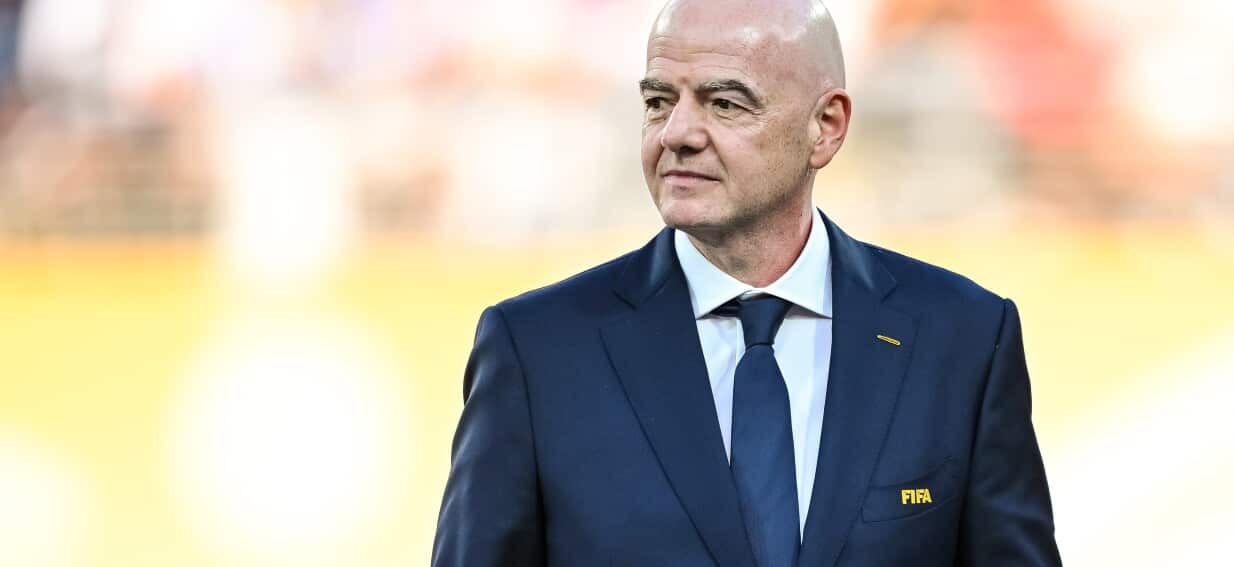
After months of intense speculation and growing dissent, FIFA has confirmed it will no longer pursue its controversial proposal to sell a 20 per cent stake in the lucrative World Cup to private investors. The dramatic U-turn marks a significant victory for football federations and fan organisations globally, who had vehemently opposed the commercialisation of the sport's most treasured tournament.
The audacious plan, championed by FIFA President Gianni Infantino, involved establishing a new commercial subsidiary. This entity would have then offered a substantial portion of its shares to external private capital, effectively bringing private equity into the heart of global football's finances. Sources close to the negotiations indicated the potential deal was valued at a staggering $38 billion (approximately A$57 billion).
Unprecedented Pressure Forces Hand
The decision to shelve the privatisation scheme comes after an unprecedented wave of opposition from key stakeholders. European governing body UEFA, a powerful bloc within FIFA, was a vocal critic, expressing deep concerns over the erosion of football's autonomy and the potential for profit motives to overshadow the sport's integrity. South American confederation CONMEBOL also voiced strong reservations, highlighting a shared unease about ceding control of such a vital asset.
National associations across the globe, including Football Australia, were reportedly wary of the long-term implications of such a move. Many feared that privatising a portion of the World Cup would concentrate power in the hands of a few wealthy investors, potentially sidelining the interests of smaller nations and grassroots football. Fan groups, already wary of the increasing commercialisation of the sport, had organised campaigns and petitions, urging FIFA to maintain the World Cup as a collective asset rather than a commodity for sale.
A Mysterious Investor Consortium
While FIFA has remained tight-lipped about the identities of the interested parties, reports had indicated a consortium of investors, primarily from the Middle East and Asia, were at the forefront of the proposed deal. This consortium was reportedly eager to capitalise on the World Cup's immense global appeal and guaranteed revenue streams. Their interest underscored the extraordinary financial power the tournament commands, attracting billions in sponsorship, broadcasting rights, and merchandising.
SBS News Top Stories reported that the core idea behind the privatisation was to unlock new revenue streams for FIFA, which could then be reinvested into football development projects worldwide. Proponents of the plan argued it would provide a much-needed financial injection, particularly for developing football nations. However, critics countered that FIFA, already sitting on substantial reserves, did not require such a drastic measure and that alternative, less intrusive, funding models could be explored.
Future Funding Models Remain Uncertain
The abandonment of the privatisation plan leaves FIFA to ponder its future financial strategies. The organisation has long sought innovative ways to diversify its revenue beyond traditional tournament cycles. While the World Cup remains a financial behemoth, generating billions every four years, FIFA is under constant pressure to fund its various development programs, administrative costs, and the increasing prize money demanded by competing nations.
The global football community will now watch closely to see what alternative proposals emerge from FIFA headquarters in Zurich. With the 2026 World Cup set to be jointly hosted by the United States, Canada, and Mexico, and expanding to 48 teams, the financial and logistical demands on FIFA are only set to grow. The recent debacle serves as a potent reminder that while football is a multi-billion dollar industry, its soul, and the collective ownership of its most iconic event, remains fiercely protected by its global family.