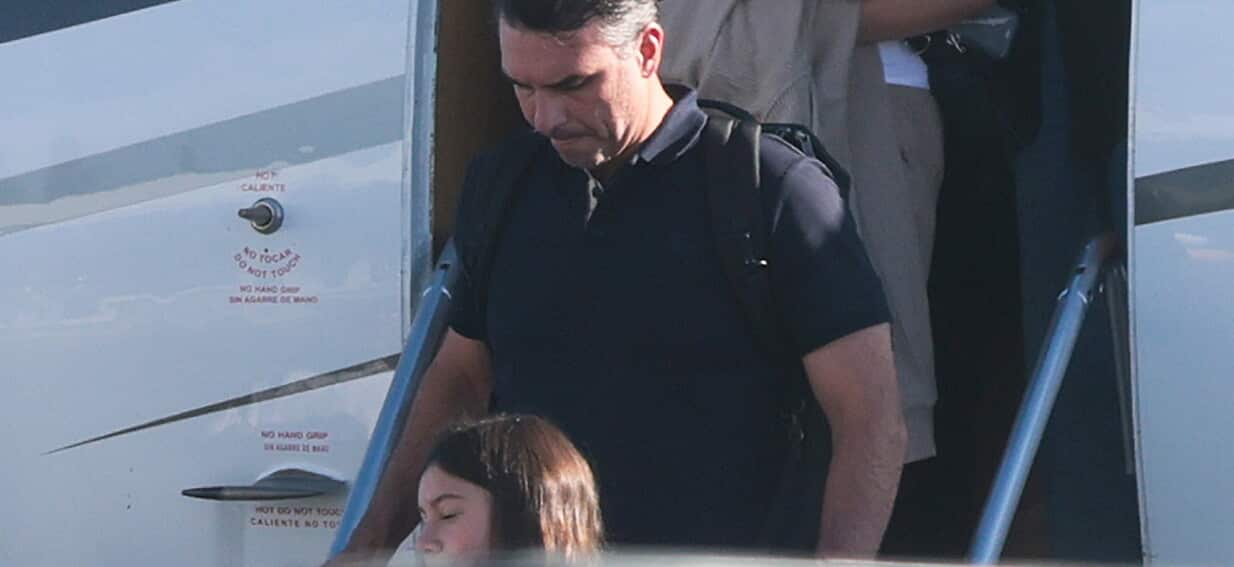
Brazilian political figure Flávio Bolsonaro has touched down in Florida following his camp's bitter presidential election defeat, prompting an immediate and scathing rebuke from the incoming administration in Brasília.
SBS News Top Stories reported that the high-profile federal senator and son of the defeated conservative leader arrived in Miami amid escalating domestic scrutiny, effectively placing thousands of kilometres between himself and the transition of power unfolding in the Brazilian capital. His departure underscores the acute political volatility gripping Latin America’s largest democracy in the wake of an exceptionally tight and acrimonious national poll.
A hasty departure for Florida
The arrival in the United States follows weeks of post-electoral rancour, marked by demonstrations and unfounded allegations challenging the integrity of the ballot. While conservative figures in Brazil had mobilised significant grassroots support, the certified victory of the left-wing coalition marked a decisive, if narrow, pivot in national governance. By removing himself from the immediate theatre of Brazilian politics, the younger Bolsonaro has drawn fresh attention to the post-election strategy of his family’s movement. Observers note that southern Florida has increasingly served as a sanctuary for displaced right-wing figures from across the hemisphere seeking respite from domestic judicial and political headwinds.
Lula condemns ‘shameful’ exit
The move provoked a searing reaction from President Luiz Inácio Lula da Silva, who described his political rival’s sudden journey abroad as "shameful". Addressing the political climate, the incoming president indicated that leaving the country at such a delicate constitutional juncture reflected an unwillingness to face the political realities and accountability demanded by the electorate.
Government allies in Brasília were swift to amplify the criticism, arguing that key members of the conservative establishment were avoiding public accountability after stoking national divisions. Lula, returning to office for an unprecedented third term, faces the immense task of governing a starkly divided legislature and healing deep societal rifts, with the departure of key opponents providing immediate political ammunition for the new administration.
Deepening scrutiny and legal shadows
The timing of the transatlantic trip is particularly delicate given the mounting parliamentary and judicial investigations confronting the outgoing administration's inner circle. Brazilian prosecutors and supreme court magistrates have continued to examine election-related disinformation campaigns, alleged financial improprieties, and the orchestration of anti-democratic protests across major transit arteries. While no extradition requests or formal travel bans were enacted prior to his departure, political analysts in Brasília suggest the optics of international self-exile carry substantial long-term risks for any prospective political rehabilitation within Brazil’s borders.
Lingering instability in South America
For the broader international community, including regional observers and trade partners across the Pacific, the developments highlight the fragile democratic norms operating in modern political transitions. The presence of senior Brazilian figures on American soil also poses delicate diplomatic challenges for Washington, which moved rapidly to recognise the legitimacy of Lula’s election triumph. As Brasília prepares for the formal handover and legislative sessions, the physical absence of influential opposition leaders in the capital offers little guarantee of immediate domestic quiet, leaving the nation braced for prolonged legal and constitutional friction.