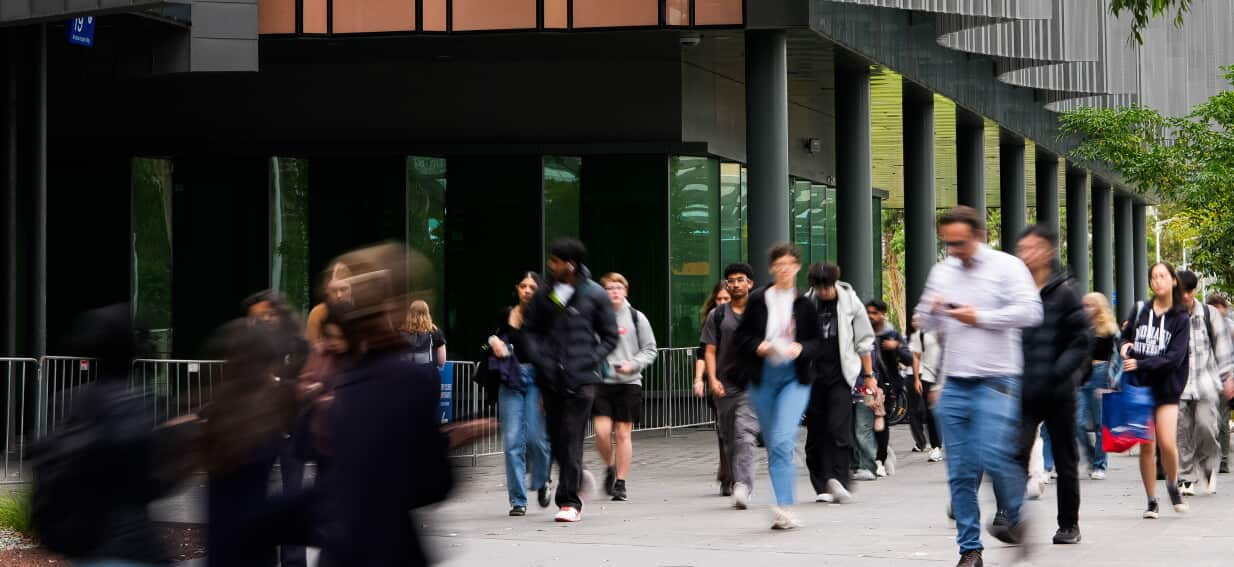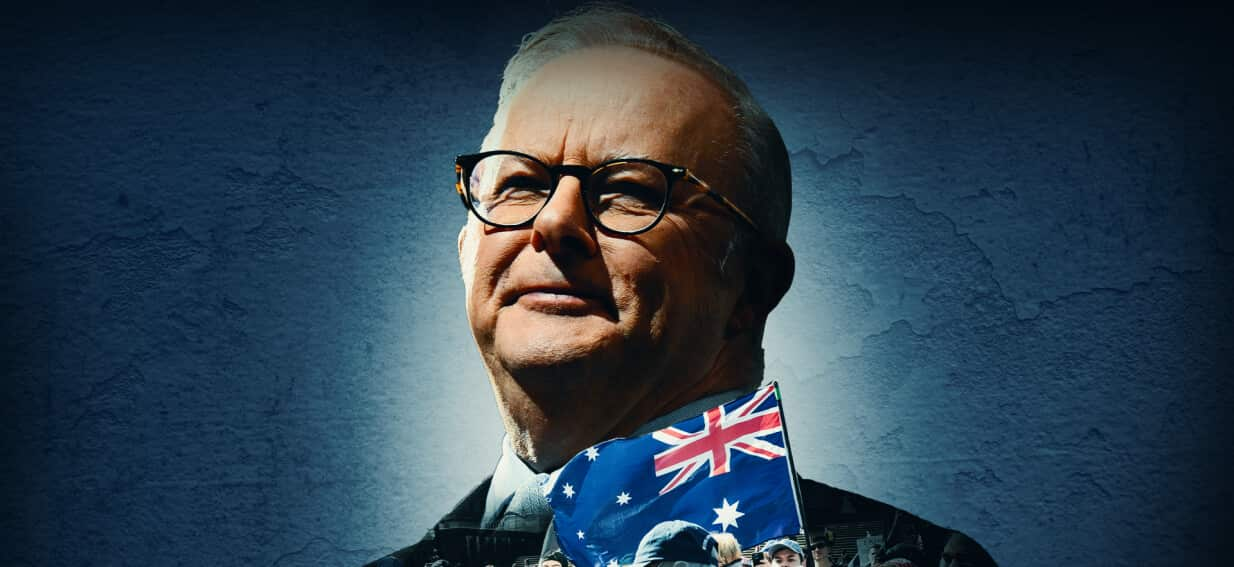
A disturbing rise in volatile public confrontations across the country has laid bare deep fractures in modern Australian identity, prompting urgent calls for federal intervention to repair declining social cohesion.
Across state capitals, the frequency and severity of tense street demonstrations, racially charged rhetoric, and community flashpoints have raised alarms among researchers and policymakers alike. As SBS News Top Stories reported, these escalating confrontations are forcing a national reckoning with an uncomfortable reality: Australia’s long-standing self-image as a tranquil, cohesive society is facing its most serious stress test in decades.
Fractures in the National Compact
For generations, civic leaders have championed Australia as one of the world's most successful multicultural democracies, anchored by institutional stability and a shared commitment to an egalitarian fair go. Yet that narrative is fraying under the weight of heightened geopolitical tensions, domestic cultural polarisation, and mounting socio-economic anxiety.
Law enforcement agencies in New South Wales and Victoria have repeatedly found themselves managing volatile public assemblies that spill over into intimidation and physical violence. Rather than isolated flare-ups, independent observers warn these episodes reflect deeply entrenched animosities that are rapidly becoming normalised within the public sphere.
Mounting Calls for Policy Intervention
Community advocates and academic experts cited by SBS News Top Stories are urging the federal government to move beyond rhetorical appeals for tolerance and deliver a comprehensive national cohesion strategy.
Critics argue that successive Commonwealth administrations have allowed civic infrastructure to wither, relying on passive integration rather than actively safeguarding intercultural trust. Without decisive federal stewardship, experts caution, the resulting vacuum is being exploited by fringe groups capitalising on disaffection, algorithmic rage, and historical grievances to foster division.
Rethinking Multicultural Harmony
At the core of the debate is an uncomfortable interrogation of national identity. While Australia has diversified rapidly over the past half-century, community leaders contend that institutional systems have failed to keep pace with the complex realities of contemporary diaspora politics and social disadvantage.
Marginalised communities frequently bear the immediate brunt of these tensions, facing rising incidents of vilification in public spaces. Sociologists point out that when civic discourse turns hostile, the social fabric rapidly erodes, leaving citizens feeling disconnected from state institutions and alienated from their fellow Australians.
The Cost of Community Division
Addressing these systemic fractures will require substantial political will and targeted public investment. Policy analysts suggest that a renewed national framework must encompass strengthened anti-vilification legislation, sustained funding for grassroots community mediation programmes, and educational initiatives focused on critical digital literacy.
As parliamentarians face mounting pressure to safeguard community safety, the message from social policy researchers remains uncompromising: national unity cannot simply be taken for granted. If Canberra fails to confront the deep-seated grievances destabilising suburban streets, the foundational tenets of modern Australian multiculturalism risk sustained and lasting damage.