
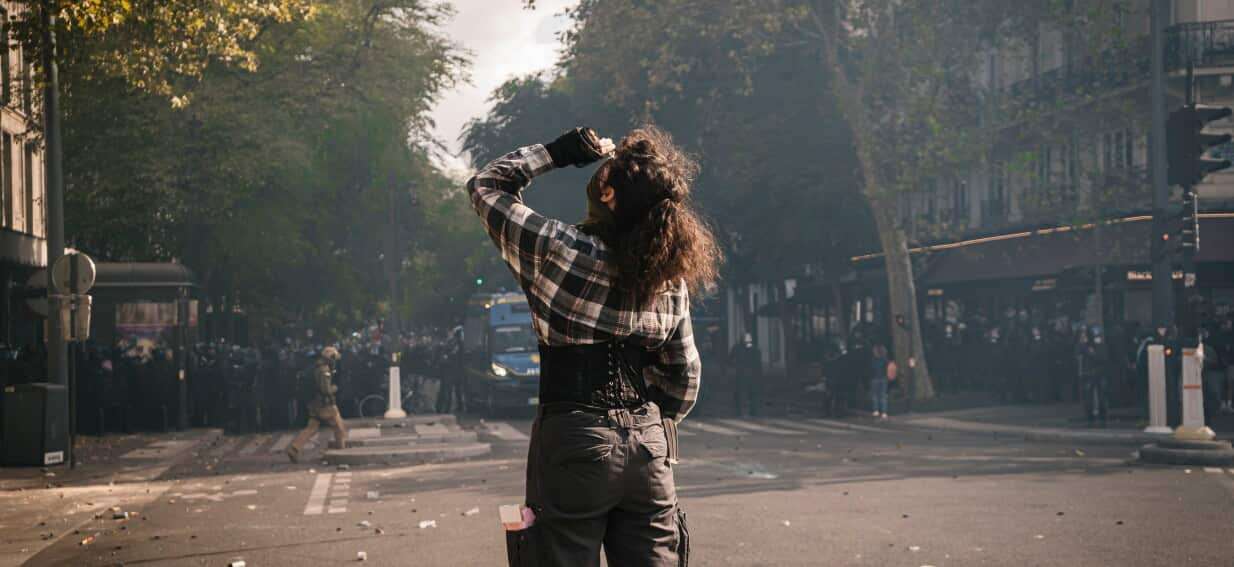
French authorities have shuttered the Louvre and placed multiple municipalities under overnight curfews, refusing to rule out a nationwide state of emergency as violent street clashes continue to escalate across the country.
The heightened security posture comes amid successive nights of civil unrest that have swept Paris and several regional hubs, leaving hundreds of public buildings damaged, vehicles torched, and security personnel stretched thin across metropolitan districts.
Paris landmarks shuttered against spreading disorder
The decision to shut the doors of the world-renowned Louvre museum in central Paris underscores the severity of the crisis confronting French authorities, as cultural institutions move swiftly to safeguard historic assets and visitors from unpredictable unrest.
As SBS News Top Stories reported, the iconic institution was forced to lock its gates as unrest breached traditionally protected metropolitan precincts. The sudden closure left thousands of international tourists, including holidaying Australians navigating the European summer peak, stranded outside the landmark glass pyramid while riot police maintained heavy cordons along the adjacent Rue de Rivoli.
Public transport corridors throughout the capital and its outer suburbs have also faced severe curtailment. Bus and tram networks have been ordered to halt services ahead of twilight to prevent vehicles from being targeted in overnight skirmishes.
Night-time curfews blanket affected municipalities
In response to the spreading unrest, local governments across northern and western France have imposed rolling night-time curfews, granting police wider operational leeway to disperse gatherings and detain individuals violating movement restrictions.
Suburban districts surrounding Paris, alongside major regional centres such as Marseille and Lyon, have witnessed intense skirmishes, with commercial storefronts targeted and municipal buildings subjected to arson attacks. Local leaders have defended the curfews as necessary protective measures, citing the mounting risks to residents and municipal infrastructure after successive nights of destruction.
The unrest has drawn tens of thousands of police and gendarmes onto the streets, supported by specialised tactical units and armoured vehicles deployed to suppress localised revolts before they coalesce into broader insurgent activity.
Exceptional powers weighed by ministerial crisis team
Facing mounting political pressure to restore order, the French government has formally refused to rule out invoking a nationwide state of emergency—a draconian legal framework rarely deployed outside moments of acute national crisis.
The declaration of such a state would empower regional prefects to establish security zones, conduct searches without judicial warrants, and place individuals under administrative house arrest without prior court approval. While government ministers have reiterated their commitment to exhausting standard policing instruments first, senior officials conceded that all constitutional mechanisms remain firmly on the table should violence remain unchecked.
For Australians travelling in France, the Department of Foreign Affairs and Trade continues to advise exercising a high degree of caution, urging citizens to avoid large public gatherings, heed local curfews, and monitor official French announcements as the security operation unfolds.


