
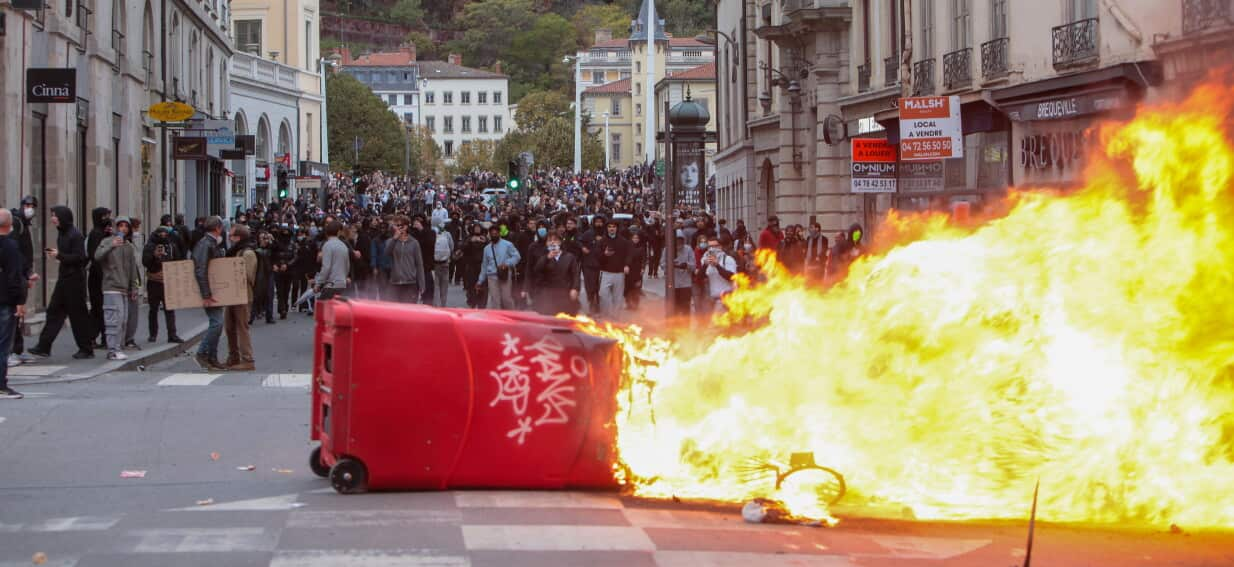
French security forces are bracing for renewed domestic unrest after authorities across the country issued sweeping protest bans and mobilised thousands of additional police officers ahead of planned weekend rallies.
The pre-emptive clampdown comes amid mounting concern over potential clashes, transport disruption, and public disorder. Regional prefectures in several major cities have invoked statutory administrative powers to outlaw gatherings, signalling an uncompromising stance from the central government as civil tensions simmer across the Republic.
Prefectures clamp down on urban centres
SBS News Top Stories reported that protest bans have been issued in key population centres, prompting police commands to reinforce tactical units in sensitive sectors. Commercial thoroughfares, transport interchanges, and key government precincts have been designated exclusion zones, barring assembly under threat of immediate detention and financial penalties.
Specialised anti-riot units, including the Compagnies Républicaines de Sécurité (CRS) and mobile gendarmerie squadrons, have been placed on heightened operational alert. Security perimeters will be established to prevent demonstrators from consolidating into large columns, with tactical officers authorised to conduct pre-emptive bag inspections and identity checks across major transit hubs.
Broadened security footprint across capital
In Paris, authorities have placed heavy cordons around high-profile diplomatic quarters and central tourist corridors. Local command centres are preparing for unsanctioned mobile actions that could quickly spill across peripheral boulevards and residential quarters.
Municipal infrastructure and sensitive state institutions will remain heavily guarded throughout the weekend. Urban transport networks are also subject to selective station closures at short notice if command centres assess that commuter safety is compromised by approaching crowds.
Legal challenges and civil liberties debate
The weekend mobilisation reflects an increasingly fraught relationship between French authorities and grassroots political movements. Interior Ministry officials have routinely defended pre-emptive prohibitions as necessary instruments to prevent property damage and neutralise extremist factions intent on confrontation.
Civil liberty advocates and legal groups, however, argue that recurrent administrative bans undermine foundational democratic rights, effectively criminalising peaceful citizens alongside disruptive elements. Under French law, participants defying administrative bans face fines starting at €135 (approximately $220 AUD), alongside potential prosecution for civil disobedience or unlawful assembly.
Emergency petitions are routinely lodged with administrative tribunals in an effort to overturn regional prohibitions prior to weekend marches, yielding mixed results as judges weigh public safety risks against constitutional assembly rights. Despite the legal restrictions, activist networks have often demonstrated a willingness to bypass bureaucratic hurdles, convening unnotified gatherings via digital channels.
As the weekend begins, European observers and domestic commentators will watch closely to see whether the extensive police deployment successfully deters unlawful assemblies or further inflames public resentment against state authorities.


