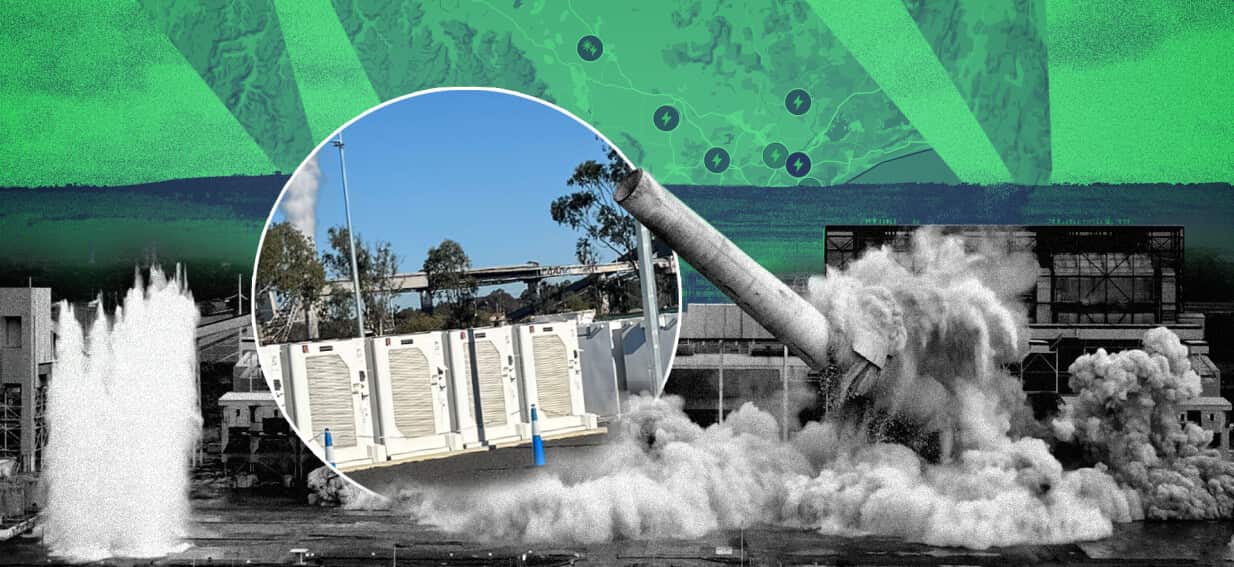
Australia's energy landscape is undergoing a once-in-a-lifetime transformation, as the industrial skeletons of its coal-fired past are being reimagined and repurposed for a green energy future. The vast, strategically located sites that once powered the nation with fossil fuels are now poised to become epicentres for renewable energy generation, primarily solar.
The Phoenix from the Ashes: Industrial Regeneration
The sheer scale of Australia's former coal power stations makes them ideal candidates for large-scale renewable projects. These sites come with pre-existing, robust infrastructure – crucial transmission lines and road networks – designed to move vast amounts of power and materials. This inherent advantage significantly reduces the capital expenditure and logistical hurdles typically associated with developing new renewable energy hubs in pristine locations. Experts suggest that the repurposing of these brownfield sites could save hundreds of millions, if not billions, of dollars compared to constructing greenfield projects.
Take, for instance, the ambitious plans emerging from the Hunter Valley in New South Wales, an area synonymous with coal mining and power generation. Projects are actively exploring the integration of large-scale solar farms, battery storage, and even hydrogen production facilities on the land previously occupied by coal-fired power stations. This strategic pivot leverages existing grid connections, ensuring that the new renewable energy can be seamlessly fed into the national electricity market. SBS News Top Stories reported on the accelerating pace of these transformations, highlighting the environmental and economic benefits being realised.
Economic Winds of Change: New Jobs, New Industries
The transition away from coal, while challenging for some communities, is simultaneously creating a wave of new employment opportunities and fostering emerging industries. While the coal industry provided specific skill sets, the renewable sector demands new expertise, from solar panel installation and maintenance to battery storage management and grid integration. Vocational training programs are being established in former coal towns to upskill residents, ensuring they are equipped for the jobs of tomorrow. This proactive approach aims to buffer the economic impact of coal plant closures and build sustainable local economies.
Investment flows are also shifting. Where once mining magnates and energy giants poured capital into coal, now renewable energy developers and international infrastructure funds are eyeing these strategic sites. This influx of diverse investment is invigorating regional economies, driving demand for local services, and stimulating innovative energy solutions. The long-term vision is to establish these former industrial sites as national benchmarks for clean energy innovation and production.
A Blueprint for Decarbonisation
Australia's journey in transforming its coal power station sites is not just an internal affair; it serves as a powerful blueprint for other nations grappling with decarbonisation. The practical application of repurposing established industrial land for renewable energy demonstrates a pragmatic and efficient pathway to reducing carbon emissions while maintaining energy security. It underscores the importance of a just transition, ensuring that communities historically reliant on fossil fuels are supported and empowered to embrace new economic realities.
The strategic location of these former power stations, often near population centres and industrial zones, further enhances their value. They provide a direct pathway for clean energy to reach end-users, reducing transmission losses and improving overall grid efficiency. As Australia continues its push towards a net-zero future, these repurposed coal power stations stand as tangible symbols of progress, transforming a legacy of black gold into a beacon of green energy for generations to come.