
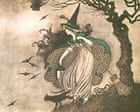
While the pyres of history no longer threaten, the label 'witch' continues to carry implicit risks and violence, even as it experiences a powerful cultural resurgence. But for many women, this reclaimed identity is increasingly linked to something far more modern and empowering: financial independence.
A Colonial Cautionary Tale
Take the story of Katherine Harrison, a woman whose life in Wethersfield, Connecticut, in the 17th century, offers a stark historical parallel. Upon her husband's death, Harrison inherited significant wealth, instantly becoming the richest woman in her town. Instead of conforming to societal expectations for a young widow, she chose an unconventional path, managing her inherited farm herself. She diversified her interests, embracing ranching, brewing ale, spinning yarn, and beekeeping, trading her honey and beeswax for candles. By all accounts, Harrison was headstrong, outspoken, and demonstrably clever. As Guardian Australia Lifestyle reported, these very traits and pursuits, which today might earn accolades, were her undoing. Her independence and success, coupled with her refusal to be dictated by patriarchal norms, led to accusations of witchcraft. She was eventually acquitted, but the message was clear: a woman who defied the mould, especially one with economic power, was a threat.
The Modern Reclaiming of Power
Fast forward to today, and many of Harrison’s interests are experiencing a profound revival, albeit under very different circumstances. Craft brewing has seen a boom, with women increasingly at the forefront of this once male-dominated industry. Urban beekeeping is buzzing in popularity across Australian cities, offering a connection to nature and a potential income stream. Textile crafts, from knitting to natural dyeing, are embraced as mindful practices and avenues for creative expression, often fostering online communities and small businesses. These pursuits, once seen as quaint or even suspicious for an independent woman, are now celebrated as forms of self-sufficiency and entrepreneurship.
Entrepreneurship and Autonomy
The contemporary reclaiming of the 'witch' archetype often converges with a deep yearning for autonomy, particularly financial. For women launching small businesses from their homes, whether selling artisanal candles, organic honey, or handmade textiles, there is a conscious or subconscious echo of Harrison's self-reliance. The internet has become a crucial forum for this demographic. Online platforms allow women to trade goods, knowledge, and support, bypassing traditional gatekeepers and creating thriving micro-economies. This digital marketplace provides an accessible route to financial independence, empowering women to control their labour and revenue, much like Harrison did through her direct trading.
Beyond the Broomstick: The Broader Movement
The connection between witchcraft and financial independence extends beyond direct entrepreneurial pursuits. It symbolises a broader movement rejecting conventional expectations and embracing personal power. Women are increasingly pursuing careers that offer flexibility, starting side hustles, or investing in ways that allow them greater control over their economic destinies. This shift is not just about accumulating wealth; it’s about agency. The 'witch' figure, often depicted as living on the fringes, resourceful and powerful in her own right, resonates deeply with women seeking to chart their own course, unburdened by societal pressures or economic dependency.
While contemporary women are thankfully not facing the gallows for brewing ale or keeping bees, the underlying tension remains. A woman who is financially independent, self-sufficient, and outspoken can still challenge established power structures. The modern 'witch' embodies this defiance, transforming a historical slur into a powerful symbol of economic and personal freedom.